Niger’s media climate worsens amid political changes and journalist disappearances
Press freedom in Niger is facing unprecedented challenges as the country grapples with political instability and increasing restrictions on journalism. The 2023 military coup has intensified pressures on media outlets, with journalists reporting arrests, regulatory hurdles, and economic hardships that threaten independent reporting.
One of the most alarming incidents involves Moussa Kaka, a prominent journalist who vanished on 31 August 2026 after leaving the premises of Radio-télévision Saraounia (RTS) in Niamey. His disappearance follows a violent mutiny in the capital, raising fears for his safety. International human rights groups have urgently called on Nigerien authorities to investigate his whereabouts and ensure his immediate release.
Press freedom rankings plummet
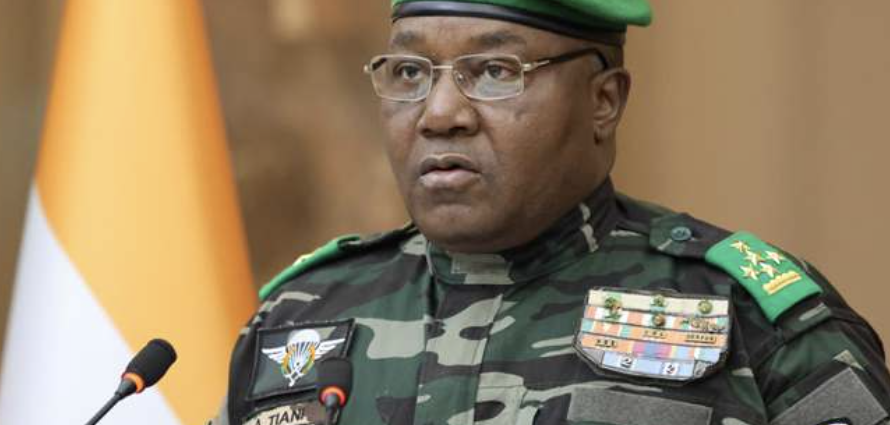
Since the coup led by General Abdourahamane Tiani, Niger has slipped dramatically in global press freedom indexes. According to Reporters Without Borders (RSF), the country now ranks 120th, a drop of 37 places compared to previous years. The decline reflects growing censorship and legal restrictions imposed on news organizations.
In a further crackdown, nine French media outlets were suspended by the National Communication Observatory, accusing them of spreading information that could disrupt public order. This move underscores the tightening grip on both local and international journalism in the country.
Legal and economic pressures on journalists
The situation has escalated with the detention of several media professionals. Ibro Chaibou, a senior editor at RTS, was held in October 2023 under the cybercrime law and later released. Similarly, journalist Samira Sabou was detained in secret for eight days in 2023 for allegedly sharing information deemed harmful to national security.
Beyond legal threats, the media sector is struggling financially. New regulations introduced on 10 September 2026 aim to tighten control over online journalism and foreign correspondents. These measures, critics argue, are part of a broader effort to shrink civic space and stifle dissent in Niger.
Calls for urgent action
Human rights advocates and press freedom organizations are demanding transparency from Nigerien authorities. They warn that the ongoing repression not only endangers journalists but also undermines democracy and public access to unbiased information.
As Niger continues to navigate political turbulence, the fate of its press corps remains a critical concern for both local and international observers.
Comments are closed, but trackbacks and pingbacks are open.