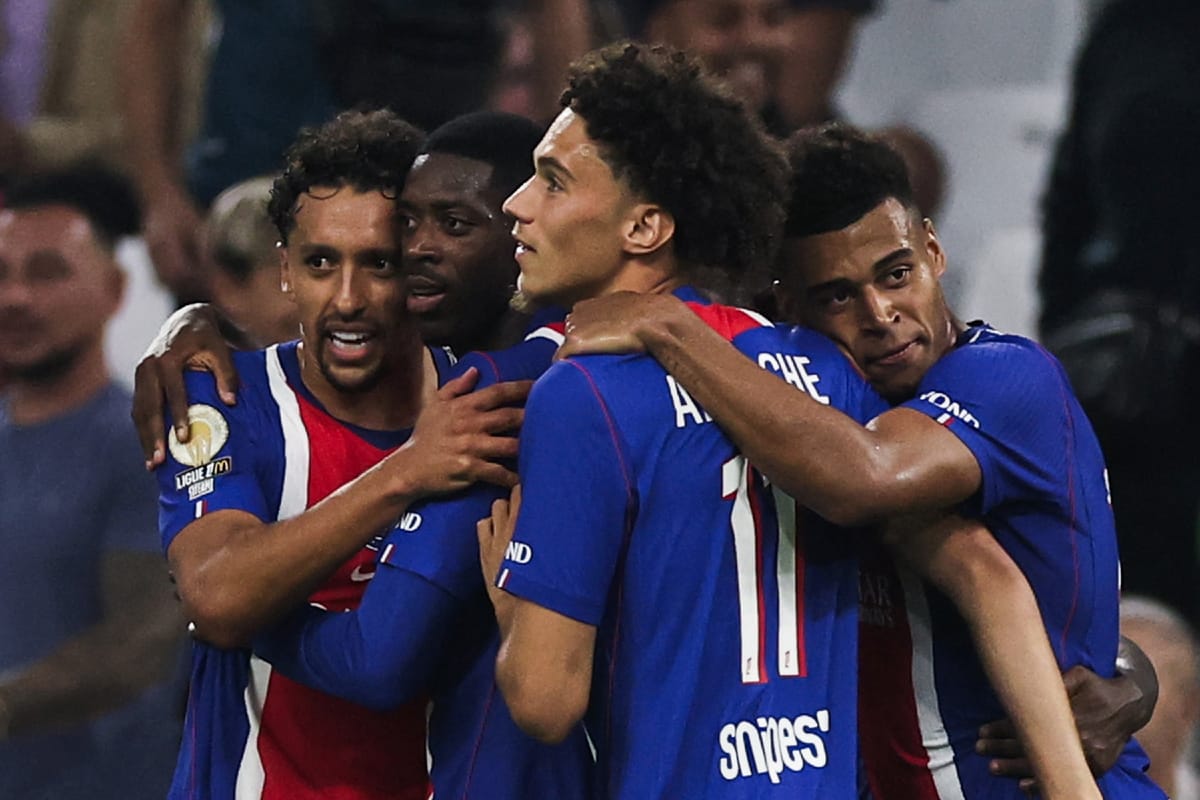
Paris Saint-Germain’s narrow victory over Marseille has intensified scrutiny over the state of French football this season, as clubs grapple with performance gaps, financial pressures, and the sustainability of their ambitions.
The Narrow Path to Victory
Despite a lackluster display that fell short of high expectations, Paris Saint-Germain secured a 2-1 win over Olympique de Marseille at the Vélodrome, marking their third consecutive victory across all competitions. The result underscores PSG’s recent resurgence but also raises questions about the quality of their performance against opponents now labeled as “merely average.”
Marseille, already mired in the relegation zone, endured yet another setback in a season pockmarked with inconsistency. Bruno Genesio’s side pressed hard, delivering a spirited performance that kept fans briefly hopeful—until the final whistle confirmed another loss, their fifth in six matches. The home crowd’s applause at the end of the game offered little solace for the players or the club.
The Turning Point: A Battle of Resources
For long stretches, the match remained evenly balanced. Marseille, playing without the suspended Paixao, showed resilience and tactical discipline, frustrating PSG’s midfield dominance. Though lacking flair, Paris struggled to convert possession into clear chances. A missed header from Neal Maupay in the 36th minute—amid a rare Marseille offensive surge—highlighted the visitors’ defensive solidity and the home side’s wastefulness.
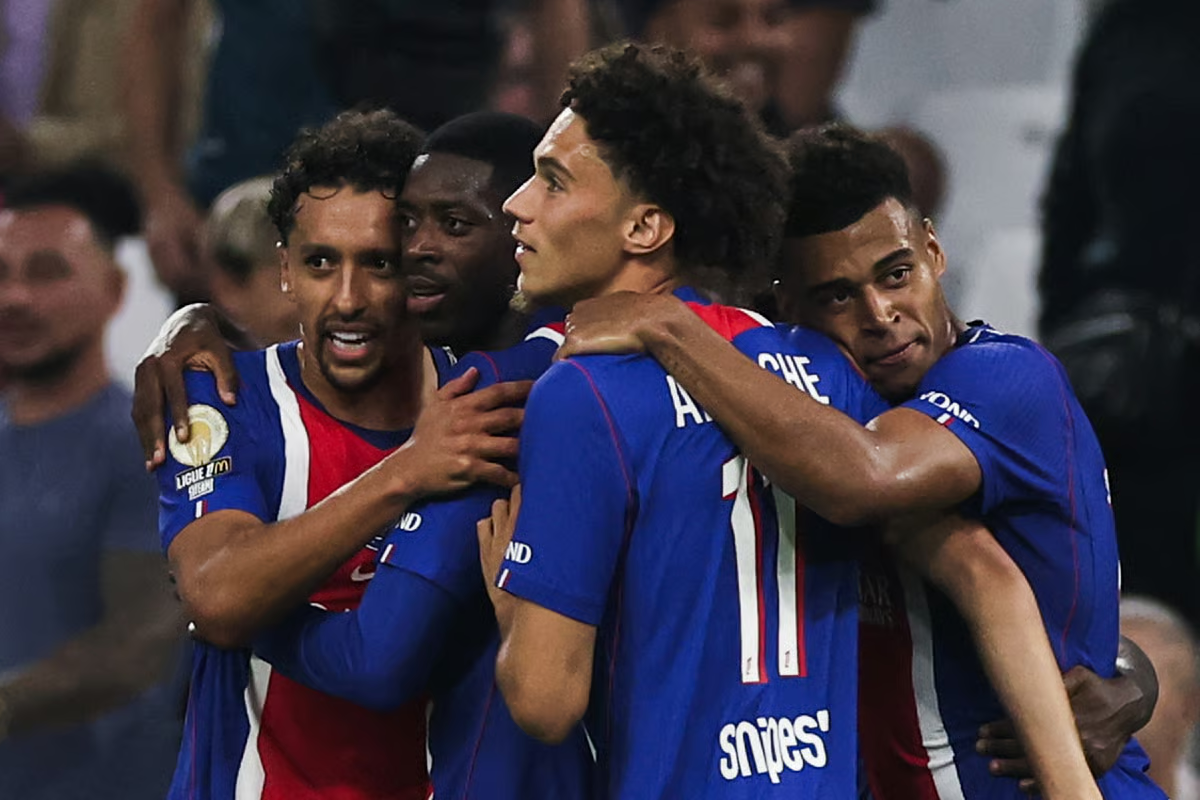
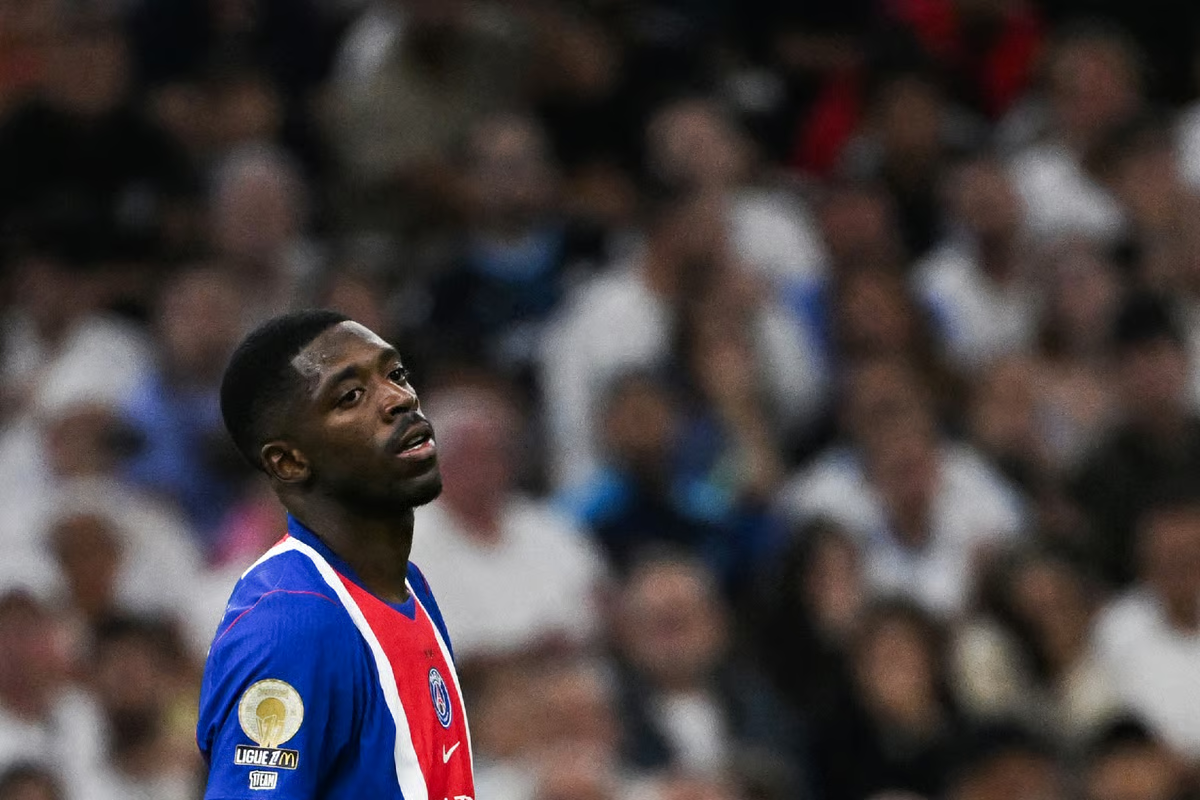
Ousmane Dembélé, visibly off form, epitomized PSG’s lack of spark, miscuing a headed effort shortly before halftime. Yet, as is often the case in elite football, talent and subs bench depth prevailed. Luis Enrique introduced Ferran Torres, fresh from World Cup glory, and the Spanish forward responded with the go-ahead goal in the 66th minute, following a precise cross from Désiré Doué.
Marquinhos, capitalizing on a defensive lapse, doubled PSG’s lead just eight minutes later. The Brazilian defender’s composure capped a nervy finish in which Marseille’s goal threatened to change the game—until Timothy Weah’s red card in the 76th minute effectively neutralized the home side’s challenge.
Where Did Marseille Go Wrong?
Beyond the scoreboard, the match revealed deeper fractures in Marseille’s campaign. Despite their fighting spirit, the club remains mired in mediocrity, now in 17th place with precious few points to show for their efforts. The lack of consistency—across form, injuries, and squad depth—has left fans and pundits alike questioning the club’s direction.
The Classique, once a symbol of passion and rivalry, increasingly reflects a power imbalance. PSG’s squad, bolstered by financial muscle and top-tier recruitment, continues to widen the gap. Marseille, meanwhile, faces a daunting climb just to stay afloat in Ligue 1.
The Growing Divide in French Football
- Financial Disparity: PSG’s spending power dwarfs that of most Ligue 1 clubs, allowing them to absorb setbacks and rebuild quickly—while Marseille, like many others, operates under tighter financial constraints.
- Squad Depth vs. Squad Cohesion: PSG’s bench strength often decides tight games, whereas Marseille’s reliance on young or fringe players exposes their lack of consistency.
- Public Perception: The Classique no longer sparks debate about footballing philosophy—it now centers on survival and resignation, with Marseille fans questioning what it will take to turn the tide.
What Comes Next for Both Sides?
For PSG, the focus shifts to consolidating their position in the top four and proving their continental credentials once more. The club’s European challenges remain a priority, and the question lingers: can they sustain this form across all competitions?
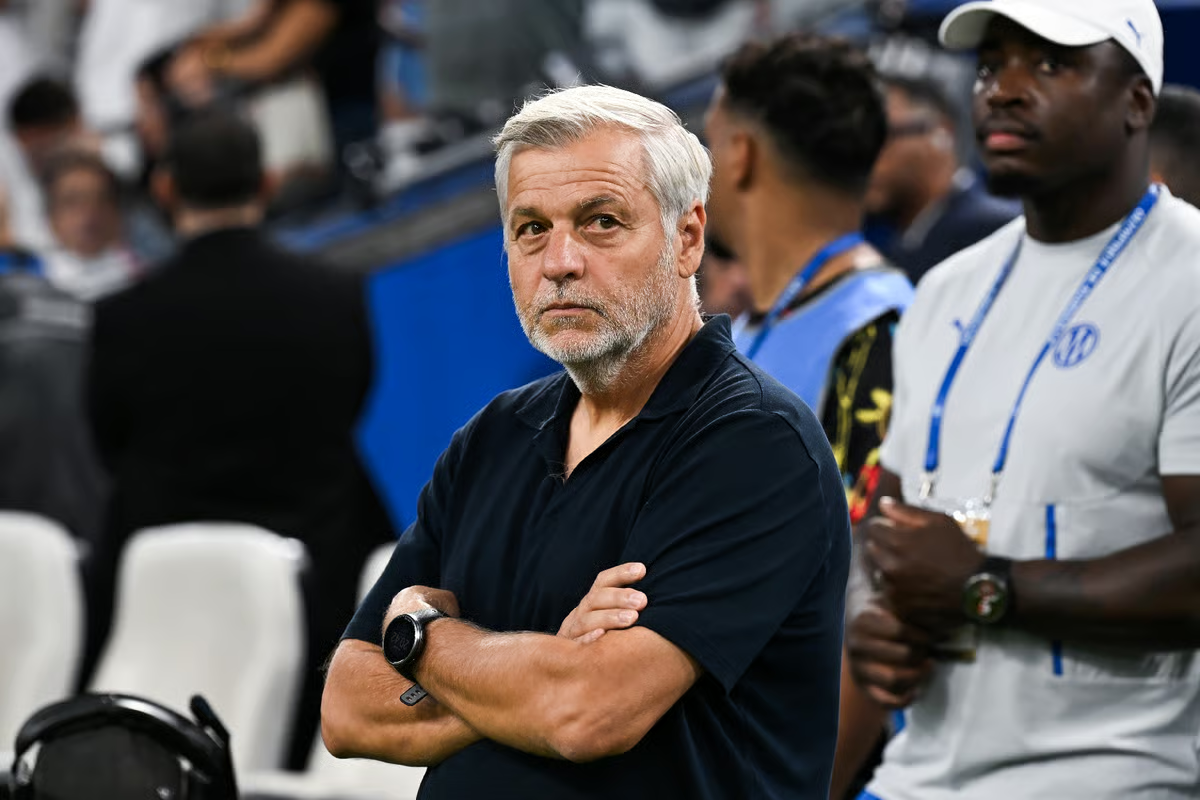
For Marseille, the road ahead is steeper. With just a handful of points and morale at a low, coach Genesio faces immense pressure to steady the ship. The transfer window looms, but without significant investment or a shift in strategy, the next few weeks could define the club’s fate in Ligue 1.
As the international break approaches, both clubs enter a critical period. PSG seeks to build momentum; Marseille searches for redemption. One thing is certain: the debate over French football’s future—its competitiveness, fairness, and sustainability—has only grown louder in the wake of this Classique.
Public Reaction: A Mirror to the Crisis
The Vélodrome was far from full, a reflection of fan disillusionment and financial struggles. Banners protesting owner Frank McCourt’s leadership were visible, and chants of frustration echoed through the stands. Yet, even in diminished atmosphere, the passion for the club remained—alongside palpable anger at another missed opportunity.
On social platforms and in football forums, reactions ranged from resignation to outrage. “Another loss. Another disappointment. When will it end?” read one tweet. Another user lamented, “Marseille deserve better than this annual humiliation against PSG.”
Meanwhile, PSG supporters celebrated a victory that, while not dominant, reinforced their side’s status as France’s elite. But with the Champions League beckoning, the pressure on Luis Enrique’s team is set to intensify.
Beyond the Score: The Bigger Picture
This Classique wasn’t just a football match—it was a microcosm of the challenges facing French football at large. PSG’s technical superiority, financial dominance, and psychological edge over Marseille highlight the widening gap between the elite clubs and the rest.
With Ligue 1’s competitiveness under threat, stakeholders are calling for reform—be it through financial regulation, youth investment, or a revival of local talent development. The outcome of this season may well determine whether French football can restore balance, or if the dominance of a single club becomes an irreversible trend.
One thing is clear: the fallout from this match will be felt long after the final whistle.
Comments are closed, but trackbacks and pingbacks are open.