How a $50 Million Payout Transformed Sahel Security
An estimated $50 million ransom paid in late 2025 to secure the release of foreign hostages in Mali has become a critical funding source for the Jama’at Nusrat al-Islam wal-Muslimin (JNIM), a coalition affiliated with Al-Qaïda, according to a confidential United Nations assessment released this month. While the document does not name the captive or the payer, regional intelligence sources indicate that the funds originated from Emirati intermediaries involved in negotiating the hostages’ freedom.
The Financial Ripple Effect Across the Sahel
The leaked report reveals that a significant portion of the ransom was distributed among JNIM’s operational units—known as katibas—across the Sahel region, with a particular emphasis on Mali, where the group maintains an estimated 3,500 to 4,000 fighters. Analysts suggest that this financial influx directly fueled the group’s expansionist campaign throughout the country, enabling large-scale offensives and territorial gains.
Al-Qaïda in the Islamic Maghreb (AQIM), a key affiliate, reportedly facilitated the transfer of a portion of these funds to the organization’s central leadership in Afghanistan and its affiliate in Yemen, consolidating the network’s global reach.
From Ransom to Regional Threat
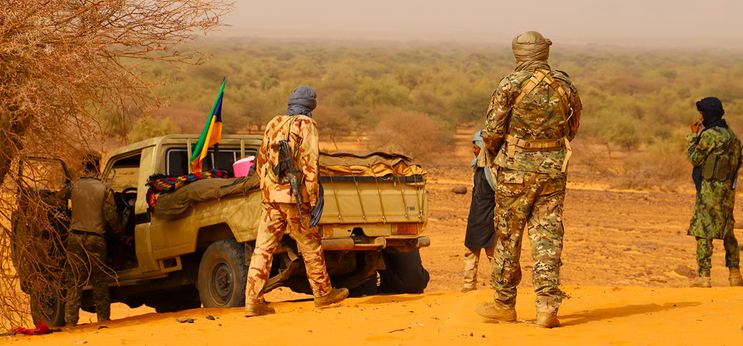
The JNIM, which now boasts between 7,000 and 8,000 combatants in the Sahel, has escalated its operations over the past year. In April, fighters launched a brazen attack on Bamako, the capital of Mali, resulting in the death of the country’s Defense Minister. By June, the group was offering substantial financial rewards for information leading to the capture of the Malian President, underscoring its growing boldness and operational capacity.
Security analysts monitoring the region describe a disturbing trend: ransom payments for foreign hostages typically range between $4 million and $6 million. For JNIM, these transactions are not merely lucrative—they represent a dual strategy. On one hand, they provide immediate financial resources to sustain military operations and propaganda efforts. On the other, they erode public trust in government stability and security infrastructure, further destabilizing the region.
The Unspoken Cost of Negotiation
In response to inquiries from regional media, an Emirati official declined to comment on the specifics of the transaction but reiterated the country’s commitment to combating terrorism financing. “Our nation remains unwavering in its efforts to dismantle extremist networks and cut off their financial lifelines,” the official stated.
Yet the ransom’s impact extends far beyond the battlefield. It has emboldened JNIM to expand its influence into neighboring countries, including Burkina Faso and Niger, where the group has intensified attacks targeting civilians, security forces, and critical infrastructure. The financial windfall has also allowed the organization to recruit more fighters, acquire advanced weaponry, and enhance its media outreach, amplifying its ideological reach across West Africa.
The United Nations report concludes with a stark warning: without coordinated international action to disrupt these financial flows, the Sahel could face an even more precarious security landscape in the coming years.
Comments are closed, but trackbacks and pingbacks are open.