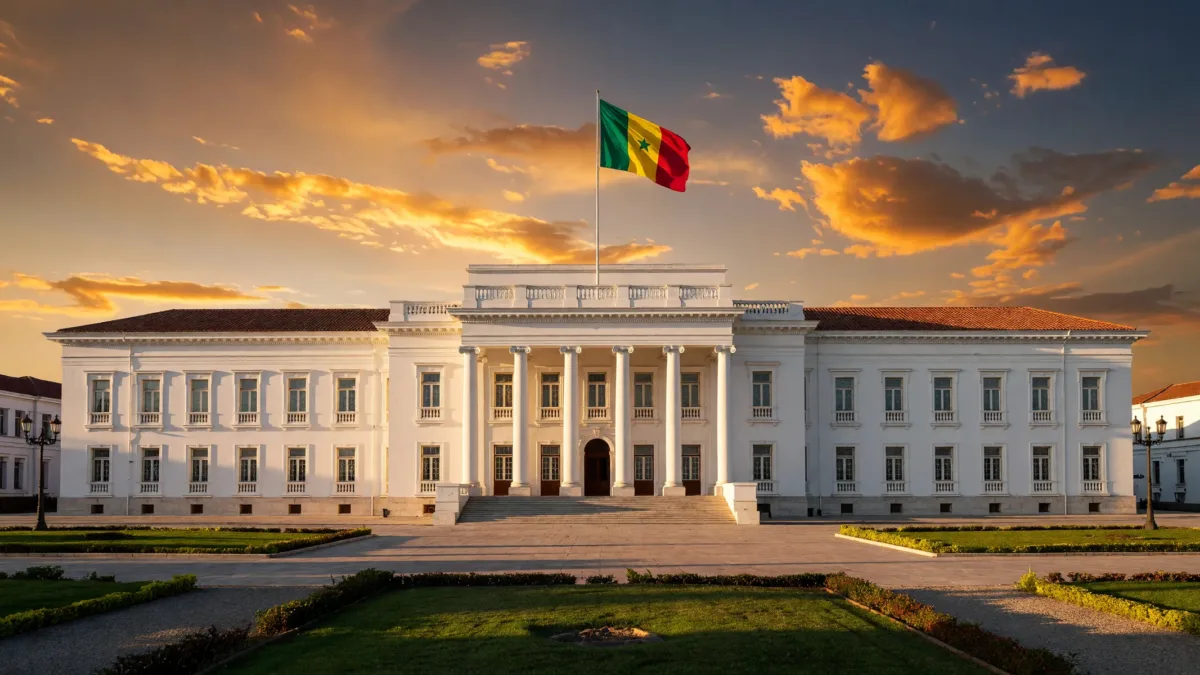
Dakar has fully activated its diplomatic machinery to champion the candidacy of former President Macky Sall for the position of United Nations Secretary-General. The Ministry of Foreign Affairs confirmed this strategic shift on July 20, 2026, just three days after the former leader met with his successor, President Bassirou Diomaye Faye, at the Republican Palace in Dakar.
a decisive diplomatic turnaround
The latest endorsement marks a stark departure from Senegal’s earlier stance in late March 2026, when Dakar joined over twenty African Union member states in declining to support Sall’s bid—then championed by Burundi during the AU’s rotating presidency. The July 17 meeting between the two presidents, held in an atmosphere of renewed calm, helped resolve lingering reservations, according to an official communiqué.
high-stakes competition for global leadership
Sall now faces three formidable rivals in the race to succeed António Guterres, whose term concludes on December 31, 2026. Among them are Michelle Bachelet, former President of Chile and ex-United Nations High Commissioner for Human Rights; Rafael Grossi, Director-General of the International Atomic Energy Agency; and Rebecca Grynspan, Secretary-General of the United Nations Conference on Trade and Development.
With Senegal’s full backing, Sall gains a critical advantage: the mobilisation of his home country’s global diplomatic network. The Ministry of Foreign Affairs has pledged that every government department and overseas mission will work to advance his candidacy on the world stage.
navigating internal political realities
This unexpected alignment comes at a sensitive time for Senegalese politics, still grappling with the legacy of the 2024 transition. President Faye, elected in March 2024 with support from the Pastef party, had pledged to break from Sall’s governance. Yet several unresolved issues—including calls from victims of past repression for accountability—remain pending.
Despite these tensions, many analysts view Dakar’s support as a gesture of republican continuity. The move is seen as an effort by Faye to build broader political alliances, transcending domestic partisan divides.
west african influence on the global stage
As a nation of 18 million people and a founding member of key regional bodies—including the Economic Community of West African States (ECOWAS), which Faye currently chairs—Senegal holds significant diplomatic weight in West Africa. Dakar’s endorsement could sway undecided African capitals and tip the scales in Sall’s favor during upcoming negotiations.
regional lobbying intensifies ahead of key vote
Following Dakar’s backing, Sall traveled to Banjul on July 17 to consult with Gambian President Adama Barrow. This regional outreach is part of a broader campaign to secure African consensus in the coming months, ahead of the United Nations Security Council vote—where permanent members hold veto power. Sall’s ability to unite African support will be pivotal in overcoming rival candidacies backed by other regional blocs.