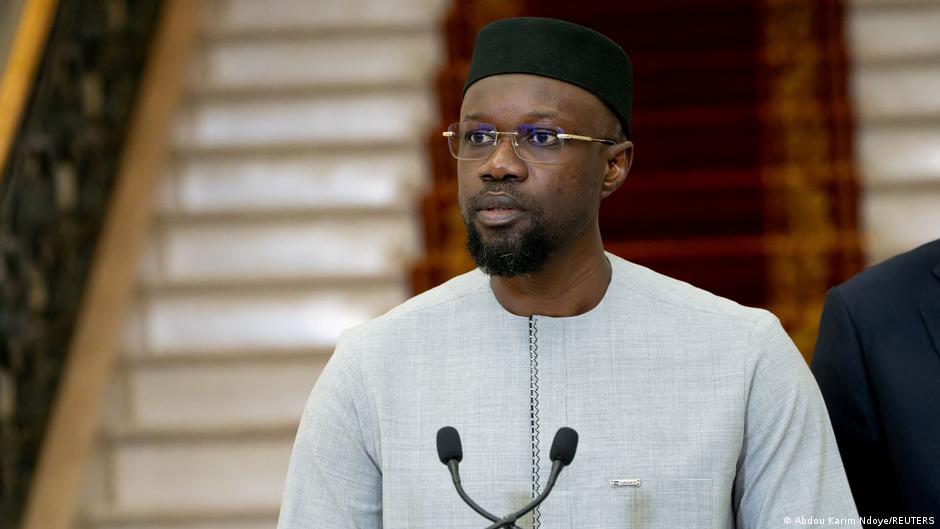
The Constitutional Council of Sénégal has dealt a significant blow to the ruling Pastef party by rejecting its proposed institutional reforms. The decision, made public yesterday, Thursday, invalidates a text that sought to rebalance powers between state institutions—a central pillar of the party’s agenda led by Ousmane Sonko.
The rejected reforms, adopted by the National Assembly where Pastef holds a strong majority, faced scrutiny after President Bassirou Diomaye Faye personally referred the matter to the Council. The highest judicial body identified two major constitutional breaches: the absence of a funding framework for the proposed Constitutional Court and procedural irregularities during parliamentary debates on government amendments.
Political fallout and reactions
Ousmane Sonko, who was recently removed from the Prime Minister’s office but remains influential as President of the National Assembly, acknowledged the Council’s decision in a social media statement. Meanwhile, allies of President Faye emphasized the need to continue reforms while praising the Council’s role in upholding constitutional integrity.
Dr. Binette Ndiaye, coordinator of the Citizen Forum, praised the decision, stating: “As a member of civil society, I believe this is a commendable move. Initially, before the law was implemented, there was a clear need for a more inclusive process. Unfortunately, that did not happen. It seemed as though a single political party was attempting to alter constitutional provisions without prior dialogue or consensus. Today, we are reminded that even with a majority, a Republic must account for the voices of all its citizens.”
Deepening political divisions
The ruling came at a time of escalating tensions between Pastef‘s two leading figures—Senko and Faye—who have increasingly clashed over governance and reform priorities. Sonko recently described the situation as one of “cohabitation,” hinting at a growing rift within the ruling coalition.
Political analysts suggest that this constitutional setback for Pastef may further strain relations at the highest levels of government and reshape the political landscape in the coming months. The decision underscores the delicate balance of power in Sénégal and the challenges of implementing sweeping reforms without broad consensus.