Senegal politics: constitutional council blocks pastef reforms, weakens sonko
The Senegalese Constitutional Council has struck down a major institutional reform bill proposed by the ruling Pastef party, dealing a significant setback to Ousmane Sonko’s political ambitions and complicating the relationship between the presidency and the National Assembly.
The decision came after the Council identified two critical constitutional violations in the proposed changes: the absence of a funding mechanism for the new Constitutional Court and procedural irregularities during parliamentary deliberations on government amendments.
Constitutional hurdles block reform agenda
The rejected legislation aimed to rebalance institutional powers, a central pillar of the Pastef’s reform agenda. However, the Council ruled that the bill failed to comply with constitutional requirements regarding public expenditure and parliamentary procedure. The proposed reforms included provisions for enhanced parliamentary oversight of natural resource contracts and expanded investigative powers for legislators.
Legal experts note that the Council’s intervention underscores the importance of constitutional compliance in legislative processes. The ruling effectively prevents the implementation of the reform package unless revised to meet constitutional standards.
Political reactions highlight growing divide
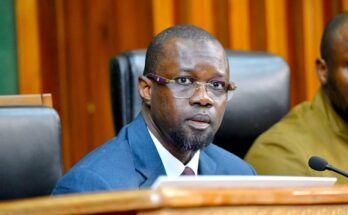
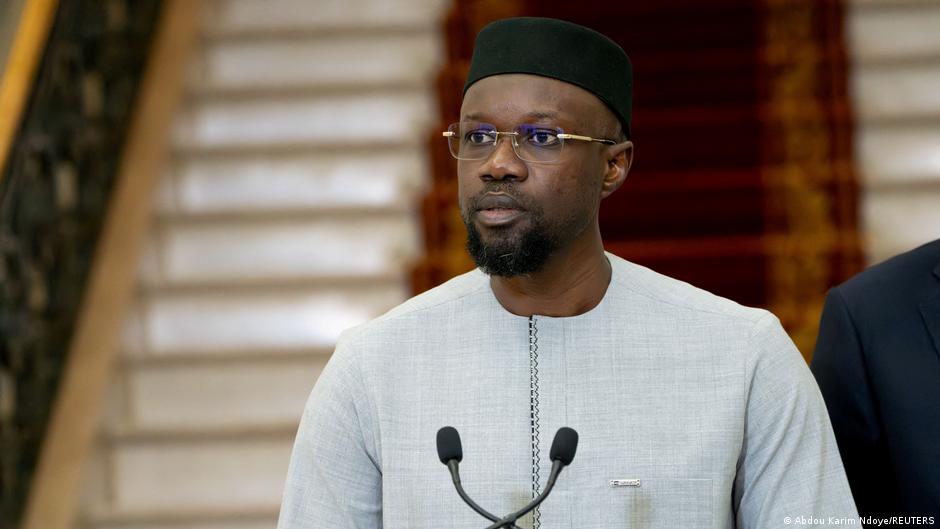
Ousmane Sonko, who had been sidelined from the premiership but retained influence as National Assembly president, acknowledged the Council’s decision in a public statement. Meanwhile, presidential allies emphasized the legitimacy of the Council’s role while calling for continued dialogue on reforms.
Civil society leader Dr. Binette Ndiaye praised the decision, stating: “This ruling sends a strong message about the need for inclusive governance. Even with a parliamentary majority, constitutional changes require broad consensus and adherence to established procedures.”
Tensions escalate between political heavyweights
The constitutional ruling arrives amid escalating tensions between President Bassirou Diomaye Faye and Sonko, who have increasingly clashed over policy and governance approaches. Observers suggest this latest development could further strain their relationship and reshape Senegal’s political landscape in the coming months.
The Council’s decision also raises questions about the feasibility of future constitutional reforms, particularly those involving significant public expenditure or institutional restructuring. Legal analysts point out that any revised proposal would need to address the funding gap identified by the Council and ensure strict compliance with parliamentary procedures.