
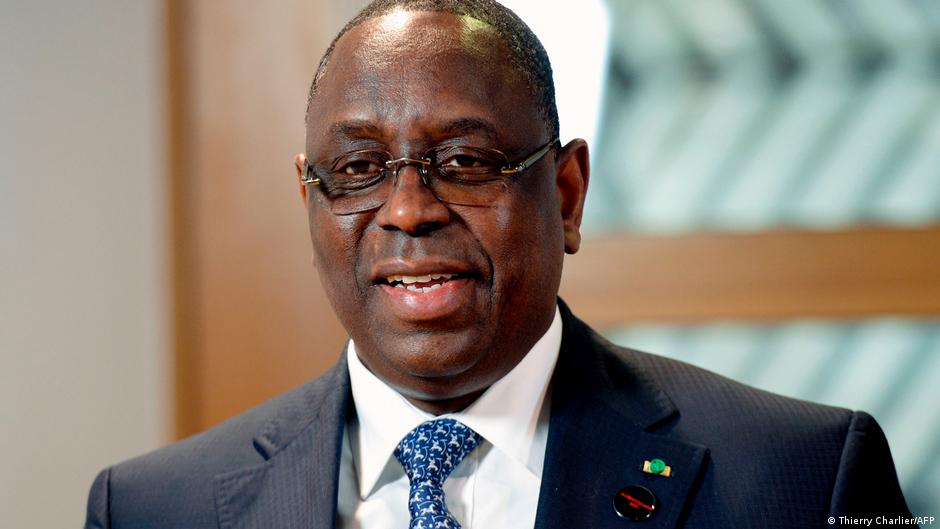
Senegal: diomaye faye and macky sall meeting sparks controversy
The news of a planned discussion between current Senegalese President Bassirou Diomaye Faye and his predecessor Macky Sall has stirred considerable anger among the families of those who suffered political repression during Sall’s time in office. These victims are vocal in their condemnation of the visit, asserting that it occurs while their pleas for justice and reparations remain unaddressed. This development is a key topic in African news today.
What fuels this controversy? What might be the ramifications of this high-profile meeting for Senegal’s political landscape? To shed light on these critical questions, we turn to political analyst Assane Samb. He first elaborates on the underlying significance of this encounter within the current political climate of Senegal.
Interview with Assane Samb
Assane Samb notes, “This was a meeting that many anticipated, despite the vocal opposition from certain quarters.”
He explains that with Macky Sall now a candidate for the position of United Nations Secretary-General, it would have been unthinkable for his candidacy to be championed solely by other African nations, such as Burundi, without a broader consensus. The significant involvement of the Chinese President in this context played a crucial role, helping to “smooth over differences” and facilitate the dialogue.
DW: Why has this visit provoked such strong reactions, particularly from victims’ associations and segments of civil society?
Samb responds, “It’s directly linked to a specific period we experienced between 2021 and 2024. As you know, there were intense street clashes between protestors and security forces. What truly transpired was that the populace was in a dynamic of revolution during that time.”
DW: Many organizations, including Amnesty, hold the President of the Republic accountable, as he is the guarantor of public security and the exercise of liberties, including the right to protest. Mr. Samb, is President Faye currently facing a dilemma between the diplomatic imperatives of the state and the justice expectations of his political base?
“When he was still with Pastef, yes, he genuinely feared officially endorsing Macky Sall. Now that he has broken ties, he no longer hesitates. That is no longer the case,” Samb clarifies.
DW: To what extent might Macky Sall’s candidacy for UN Secretary-General further polarize the political debate in Senegal?
Samb explains, “In reality, the calculations extend beyond the victims – because we speak of martyr victims and all that. But what’s happening is that people genuinely fear Macky Sall’s return due to political considerations.” This ongoing pan-African current affairs development is closely watched.
DW: What could be the effects of this meeting, both on the process of national reconciliation and on Senegal’s international image?
“On the international stage, this meeting will certainly be widely applauded, especially by African heads of state,” Samb predicts. “However, domestically, it’s clear that the bipolarization of the political game will only intensify.” This is a significant piece of African society news.
