Senegal’s President Bassirou Diomaye Faye has taken a decisive step to streamline the country’s electoral calendar by requesting the Constitutional Council’s advisory opinion on holding legislative and local elections simultaneously in 2027. This move, announced this week, unfolds against a backdrop of political upheaval following his split with former ally Ousmane Sonko and the looming prospect of a National Assembly dissolution planned for late November 2026.
Streamlining elections to cut costs and simplify logistics
The primary motivation behind this electoral pairing is to reduce both financial burdens and logistical complexities, as confirmed by government sources. Local elections are constitutionally due before January 2027, when current municipal mandates expire. By aligning them with legislative polls, the administration seeks to avoid back-to-back voting cycles and trim public spending on electoral operations.
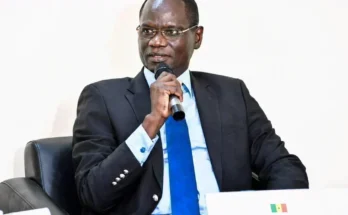
While the Constitutional Council’s advisory opinion carries no legal obligation for the president, it serves as a critical preparatory step for a potential major political decision. A favorable ruling would empower Diomaye Faye to dissolve the National Assembly and call for a unified double election in early 2027.
Parliamentary loss and growing opposition
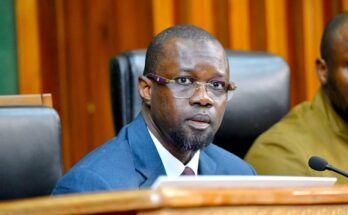
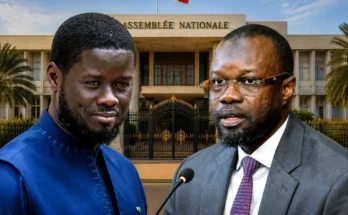
The president’s parliamentary majority evaporated on May 22, 2026, following his break with the Pastef party led by Ousmane Sonko, who now serves as Assembly president. Sonko has emerged as a formidable opposition figure, challenging the executive’s authority and reshaping the political landscape.
The rupture triggered a deeper institutional crisis. On June 29, legislators passed a constitutional reform aimed at curtailing presidential powers in favor of Parliament. Diomaye Faye contested the measure before the Constitutional Council, which struck it down, intensifying tensions between the executive and legislative branches.
Political parties face a defining test
The decision to merge elections represents a pivotal moment for Senegal’s political formations, particularly for the “Diomaye President” coalition striving to expand its influence in local governance. Reports indicate the president is also preparing to launch his own political party, signaling a strategic break from Pastef’s influence.
For Sonko and Pastef, this electoral alignment presents an opportunity to strengthen grassroots support while challenging the president’s parliamentary legitimacy. The stakes are high: electoral dominance on one side, institutional legitimacy on the other.
Senegal’s evolving political landscape
Once regarded as West Africa’s most stable democracy, Senegal is navigating uncharted political waters. Bassirou Diomaye Faye, elected in March 2024, embodied a generational shift and political renewal. However, the rupture with Sonko—his key ally in the 2024 victory—has undermined his parliamentary base and complicated governance.
The current turmoil echoes past constitutional debates during Macky Sall’s presidency. Observers closely monitor Senegal’s evolving institutions, mindful of the country’s pivotal role in regional stability and democratic governance.
Next moves in the electoral timeline
The Constitutional Council is expected to deliver its opinion within weeks. Should the Assembly be dissolved in late November as scheduled, the combined elections could take place in early 2027, reshaping Senegal’s power dynamics and redefining the political map for years to come.