Senegal politics: Oumar Sarr questions Diomaye and Sonko’s governance strategy
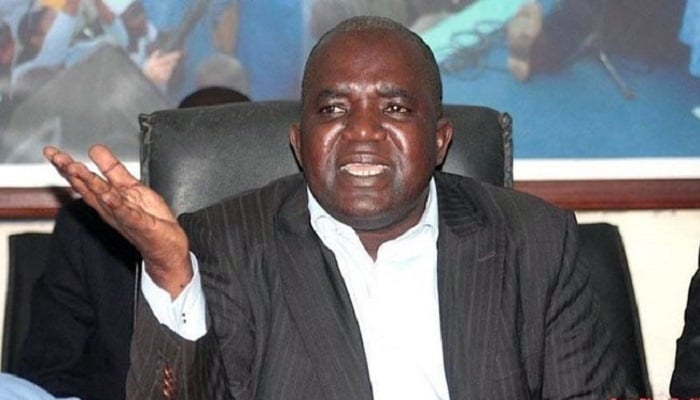
In a striking analysis of the current political climate in Senegal, former minister and key figure within the Front for the Defense of Democracy and the Republic (FDR), Oumar Sarr, has cast doubt on the relationship between President Bassirou Diomaye Faye and Prime Minister Ousmane Sonko. Speaking as a guest on a top political discussion program, Sarr highlighted the growing public confusion surrounding the supposed tensions between the two leaders, suggesting that their public interactions may be part of a carefully crafted political narrative rather than genuine discord.
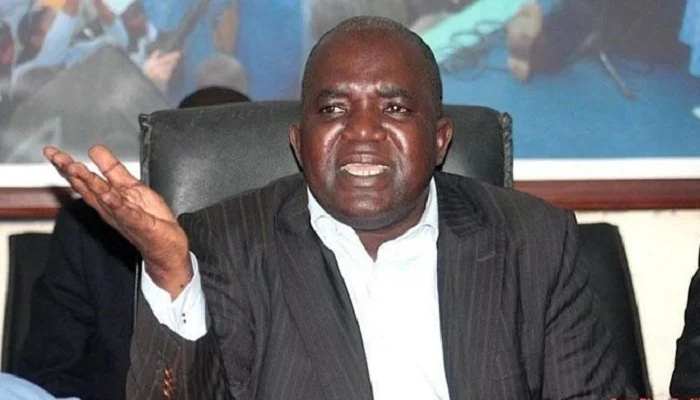
Oumar Sarr, who also serves as Mayor of Dagana, shared his observations during a national broadcast, emphasizing the widespread speculation about the direction of the executive branch. While many citizens believe there are fundamental disagreements on key policies, no official statements have confirmed any rift between Faye and Sonko. Sarr remarked, “There are those who suspect deep divisions over major decisions, yet the absence of clear communication leaves the public in a state of uncertainty.”
Is the Diomaye-Sonko relationship a political performance?
Sarr’s remarks have ignited further debate about the coherence of Senegal’s current governance model. He questioned whether the perceived disagreements are real or merely part of a broader strategy to manage public perception. “At times, it feels like genuine conflict; at other times, it seems as though both leaders are playing a game with the nation’s trust,” he noted.
He added that while some observers view the situation as an internal power struggle, others interpret it as a deliberate political spectacle designed to distract or manipulate public opinion. “The lack of transparency only fuels the speculation, making it difficult for citizens to distinguish between policy disputes and political theater.”
Public trust at the heart of Senegal’s political dynamics
The former PDS official’s comments underscore a broader concern: the erosion of public trust in institutions. As Senegal navigates a period of significant political transition, the actions and communications of its top leaders are under intense scrutiny. Sarr’s analysis suggests that without clearer messaging from the executive, the gap between perception and reality will only widen, leaving citizens to question the true intentions behind the government’s decisions.