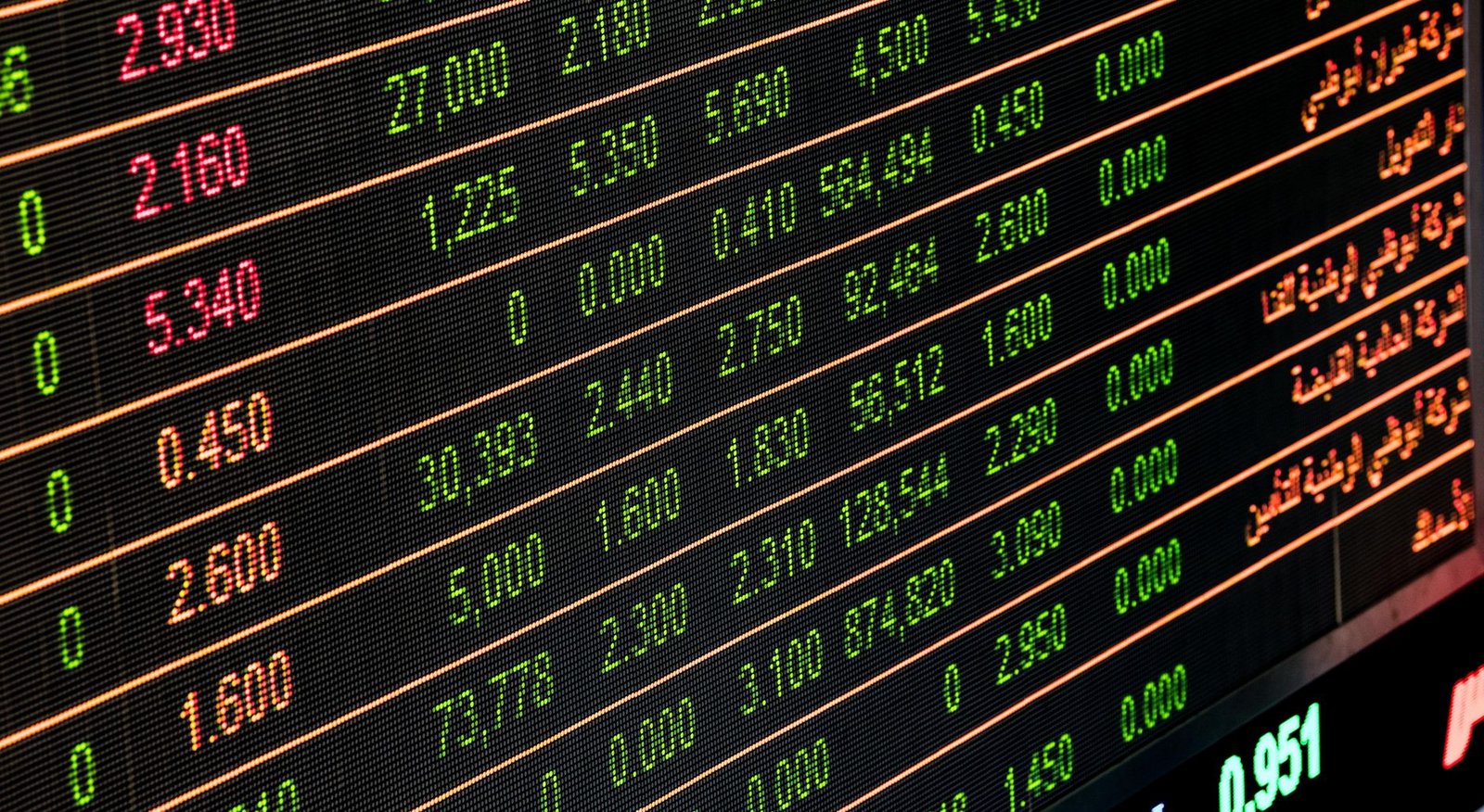
Senegal has achieved a significant milestone by securing its first bond listing on the Regional Securities Exchange (BRVM), marking a new chapter in its sovereign debt strategy. The West African nation successfully introduced four treasury bonds totaling 305 billion West African CFA francs, or roughly 465 million euros, into the exchange’s bond segment. This move, orchestrated by Senegal’s public treasury, integrates a portion of the country’s sovereign debt into the exchange’s trading platform based in Abidjan, opening fresh avenues for regional investors.
How Senegal’s bond debut reshapes its debt management
The simultaneous listing of four bond issuances is a strategic maneuver designed to enhance visibility among institutional investors within the West African Economic and Monetary Union (WAEMU). It also creates an exit strategy for bondholders through the secondary market—a novelty for Senegal, whose sovereign borrowings traditionally occurred via public securities auctions managed by the WAEMU Titles Agency, without subsequent listings. This shift promises improved liquidity for the country’s debt instruments.
The 305 billion FCFA tally reflects Senegal’s ability to attract substantial capital despite a tightened budgetary environment. The nation has faced rising debt-to-GDP ratios following the 2024 public finance audit, prompting concerns from credit rating agencies. The successful debut sends a reassuring signal to regional markets, signaling resilience in Senegal’s debt strategy amid fiscal challenges.
BRVM’s growing influence on West Africa’s bond markets
For the BRVM, the introduction of four Senegalese sovereign bonds bolsters the exchange’s bond segment, long dominated by Ivory Coast as the primary issuer. Recent years have seen the Abidjan-based exchange ramp up efforts to attract more public and corporate bond issuances from WAEMU’s eight member states. The exchange’s bond market remains a key driver of activity, with a market capitalization exceeding several trillion FCFA.
The initiative also provides a standardized framework for institutional investors, including insurance firms, social security bodies, and regional banks bound by strict prudential regulations. These entities favor listed government securities, which qualify for refinancing through the Central Bank of West African States (BCEAO) and are easier to value on balance sheets. Senegal’s example could inspire other WAEMU treasuries to adopt similar bonds through the BRVM.
What comes next for Senegal’s debt strategy
The timing of this debut is critical, as Senegal’s government under President Bassirou Diomaye Faye seeks to restore confidence among international lenders following revelations about the true extent of inherited debt. Ongoing negotiations with the International Monetary Fund (IMF) for a new support program hinge on the clarity of Senegal’s fiscal trajectory. In this context, each successful financial maneuver carries both technical and political weight.
The increased reliance on regional markets, however, comes at a cost. Investor demand for Senegalese debt has pushed interest rates higher in recent months, reflecting elevated risk premiums. The BRVM listing could help reduce this premium over time by broadening the investor base and enhancing liquidity. The sustainability of this strategy will depend on aligning the pace of bond issuances with the country’s tax revenue growth.
Senegal’s move also underscores the growing appetite among West African treasuries for sophisticated instruments that enable continuous trading. Dakar now joins regional peers like Ivory Coast, Benin, and Togo in having sovereign debt listed on the BRVM. This gradual integration of bond financing reflects one of the pillars of WAEMU’s long-standing goal of financial integration.
A turning point for West African sovereign debt markets
The long-term implications of this bond debut extend beyond Senegal’s borders. As the first of its kind for the country, the listing sets a precedent for how other WAEMU members might leverage the BRVM to modernize their debt structures. The exchange’s role as a regional financial hub is further cemented, offering a regulated platform where sovereign debt can be transparently priced and traded.
Regional investors, particularly long-term institutional players, now have access to a new asset class that meets their regulatory and risk management needs. For Senegal, the gambit could help stabilize its debt profile while deepening its integration into West Africa’s capital markets. Still, the success of this strategy will depend on maintaining fiscal discipline and ensuring that the pace of bond issuances does not outstrip the country’s repayment capacity.
Comments are closed, but trackbacks and pingbacks are open.