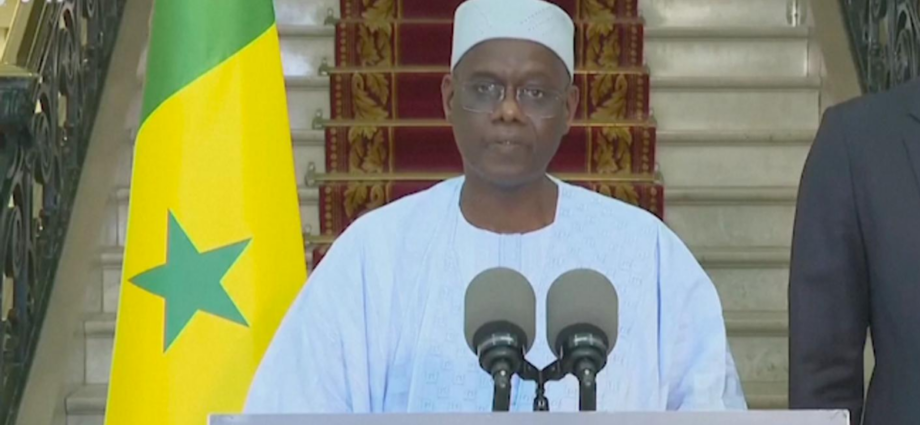
The Senegalese government is racing against time to salvage a revised finance bill from parliamentary defeat after lawmakers from the ruling coalition rejected the draft in committee. The move has plunged the country into a fresh political standoff just days before the text’s submission to the national assembly.
With the budget revision set for a decisive floor vote on Tuesday, Prime Minister Ahmadou Al Aminou Lô is intensifying negotiations to win over dissident legislators from the Pastef party—a faction that, despite sharing the executive’s political banner, has emerged as a formidable obstacle to the government’s fiscal agenda.
Parliamentary revolt threatens fiscal plans
The committee rejection marked a rare act of defiance within the ruling coalition. Lawmakers from Pastef, holding a commanding majority in the chamber, delivered a decisive blow to the government’s proposals, sending shockwaves through the corridors of power. The decision casts doubt over whether the revised finance bill can secure the necessary support to pass.
This internal rebellion raises pressing questions: why is a government confronting economic hardship struggling to rally its own allies behind its budgetary blueprint? The clash suggests deeper divides over spending priorities, tax adjustments, and fiscal discipline—though the exact grievances remain undisclosed.
Budget concessions on the line
The government’s revised finance law seeks to realign state revenues and expenditures amid growing financial pressure. However, the committee’s rejection signals that even within the president’s party, lawmakers are unwilling to rubber-stamp fiscal decisions without scrutiny.
Prime Minister Lô now faces a delicate balancing act: defend the government’s economic strategy while conceding enough ground to secure parliamentary approval. The stakes are high—budget revisions are not merely technical documents; they reflect political priorities and governance choices.
A test of compromise over confrontation
With the clock ticking, the Prime Minister has turned to dialogue as the last viable option. Emergency meetings with Pastef lawmakers aim to bridge the gap before the decisive vote, but time is running out. The outcome hinges on whether the government can offer meaningful concessions—or whether the opposition will demand fundamental changes.
The stakes extend beyond the balance sheet. If the bill fails, it would mark a serious erosion of executive authority and force a rethink of how fiscal decisions are negotiated within the ruling coalition. Conversely, Pastef’s intransigence could solidify its role as a power broker in parliament, reshaping the dynamics of governance in Senegal.
Tuesday’s vote: high-stakes showdown
The floor vote on Tuesday will determine whether the government can avert a political crisis or succumbs to parliamentary resistance. Failure would plunge Senegal’s fiscal planning into chaos just as the country grapples with persistent economic challenges.
Beyond this specific law, the conflict reveals a deeper tension: how can a president-led government reconcile party discipline with meaningful parliamentary oversight? The answer will shape not only the budget’s fate but the balance of power between Senegal’s executive and its legislature.
Comments are closed, but trackbacks and pingbacks are open.