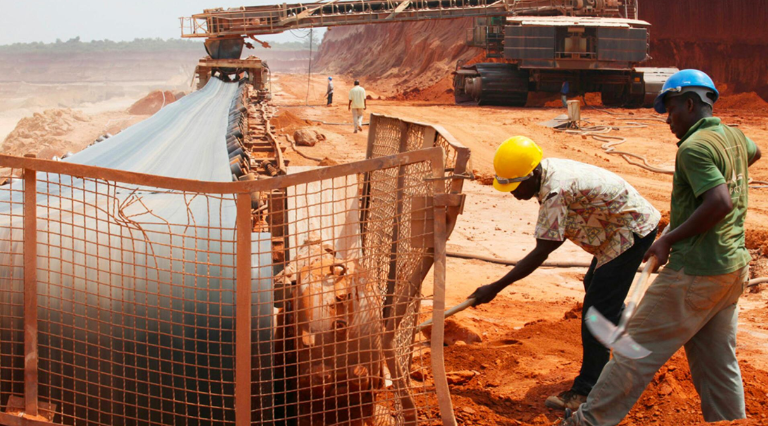
West Africa bets big on Togo’s phosphate to slash fertilizer imports
The Economic and Monetary Union of West Africa (UEMOA) has unveiled a 1,452.5 billion FCFA investment program from 2026 to 2030 to transform the region’s phosphate industry. Togo, a key phosphate producer, will host one of the new industrial hubs under this regional initiative. This move aims to cut West Africa’s reliance on imported fertilizers by boosting local processing and value addition.
Why Togo’s phosphate reserves are the cornerstone of this industrial push
Togo’s phosphate deposits, mined for decades, currently see much of the raw material shipped abroad. The UEMOA-backed project seeks to shift this dynamic by establishing a downstream industrial cluster in Togo. The goal is clear: transform phosphate into high-value fertilizer components, creating jobs, technical expertise, and stronger local supply chains.
Beyond mining, the project holds wider economic benefits. Industrializing phosphate could:
- Reduce agricultural dependency on volatile global fertilizer prices
- Produce region-specific fertilizer blends tailored to local soil conditions
- Strengthen Togo’s industrial base and regional trade
- Expand employment opportunities in processing, logistics, and allied sectors
A regional strategy, not just a national effort
This initiative is led by UEMOA, not Togo alone. While the country will host a key industrial node, the program’s design, funding, and execution involve all member states. Private investors are expected to contribute 1,191 billion FCFA, with governments pledging another 239.5 billion FCFA. This balance underscores the need for strong public-private collaboration to ensure project success.
From raw material to regional fertilizer powerhouse
West Africa currently imports a significant share of its fertilizers despite vast phosphate reserves. The UEMOA project targets this gap by:
- Creating mixed fertilizer plants near major farming zones
- Developing locally suited fertilizer formulas
- Building industrial infrastructure to process raw phosphate
- Ensuring stable supply chains for farmers
Success will hinge on securing funding, aligning cross-border logistics, and ensuring end-user demand matches production.
Challenges ahead: turning ambition into action
While Togo’s phosphate reserves are a strong asset, turning them into a regional industry requires more than resources. Key hurdles include:
- Attracting international investors and financiers
- Developing energy and transport infrastructure
- Securing offtake agreements with farmers and agribusinesses
- Harmonizing policies across UEMOA member states
The next phase must move from strategy to execution—finalizing plant locations, funding mechanisms, and operational timelines. If successful, Togo’s industrial hub could become a model for regional fertilizer self-sufficiency.
The bottom line: phosphate as a catalyst for agricultural and industrial growth
For Togo and UEMOA, phosphate is more than a mineral—it’s a pathway to economic transformation. By shifting from raw material export to high-value production, the region can:
- Lower fertilizer costs for farmers
- Create skilled jobs in industrial processing
- Bolster regional industrial sovereignty
- Enhance food security through better input access
The challenge now is turning plans into operational plants—and that begins with clear investment commitments and coordinated action across West Africa.
Comments are closed, but trackbacks and pingbacks are open.