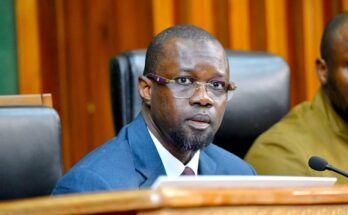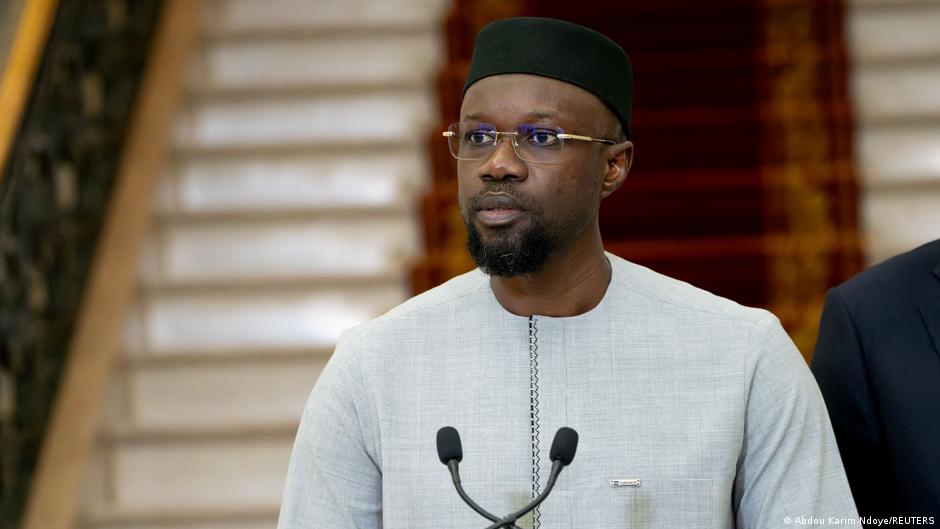
Senegal’s constitutional council has dealt a fresh blow to Ousmane Sonko’s political ambitions by striking down a major institutional reform proposed by his Pastef party. The decision handed down on Thursday represents a significant setback for Sonko, who has been locked in a power struggle with President Bassirou Diomaye Faye.
The reform, championed by the ruling majority in the National Assembly, aimed to rebalance institutional powers. However, the council found it unconstitutional, citing two critical irregularities. First, it noted the absence of a funding mechanism for the proposed constitutional court. Second, it ruled that parliamentary procedures were violated during the examination of government amendments.
The council’s ruling came at the request of President Bassirou Diomaye Faye, underscoring the deepening rift between the two leaders. The reform’s rejection marks a turning point in their escalating rivalry, which has intensified since Sonko was removed from the prime minister’s office in May.

Political fallout and legal hurdles
The decision has reignited debates over governance and constitutional adherence. Adji Diarra Mergane Kanouté, former deputy and leader of the USD/A party, emphasized that while the ruling invalidates the reform, it does not close the door on future legislative adjustments—provided they comply with constitutional requirements.
“The council’s rejection of the bill does not eliminate the possibility of another revision. However, any proposal creating new public expenditures, such as elections or the constitutional court, must include compensatory revenue streams as mandated by Article 82, paragraph two of the Constitution. Additionally, the council highlighted procedural violations when the National Assembly refused to apply the blocked vote procedure at the government’s request, in breach of Article 82, paragraph four,” she explained.
Key provisions under scrutiny
Among the most contentious elements of the reform was the proposed expansion of parliamentary investigative powers. The changes would have granted lawmakers deeper access to contracts involving natural resource exploitation and broader oversight in traditionally restricted domains.
Ousmane Sonko acknowledged the council’s decision in a social media statement, while allies of President Bassirou Diomaye Faye hailed the ruling as a vindication of institutional integrity. Dr. Binette Ndiaye, coordinator of the Citizens’ Forum, praised the council’s arbitration, stressing the importance of inclusive dialogue in constitutional matters.
“As a member of civil society, I believe this ruling deserves celebration. Initially, the reform lacked inclusivity, as if a single political party had unilaterally sought to alter constitutional provisions without prior consultation or consensus. The council’s decision reminds us that even with a majority, governance must respect diverse viewpoints and adhere to democratic principles.”
Rising political tensions in Senegal
The council’s intervention arrives amid growing friction between Ousmane Sonko and President Bassirou Diomaye Faye. Since Sonko’s removal from the prime ministership, their differences have become increasingly public, with Sonko recently describing their relationship as one of cohabitation.
Analysts view the constitutional council’s decision as another chapter in the power struggle unfolding at the heart of Senegal’s government. The outcome could reshape the country’s political landscape, with long-term implications for governance and institutional stability.