Senegal’s constitutional council blocks pastef reform, weakening sonko
Constitutional setback for Ousmane Sonko’s institutional reform
The Senegalese Constitutional Council has delivered a decisive blow to the institutional reform championed by the Pastef parliamentary majority, ruling that the proposed changes violate the Constitution. The reform, which aimed to rebalance institutional powers, had been passed by the National Assembly where the ruling party holds a large majority.
The Council identified two critical irregularities: first, the absence of a funding mechanism for the proposed Constitutional Court outlined in the reform, and second, procedural breaches during parliamentary consideration of government amendments. President Bassirou Diomaye Faye himself had referred the matter to the Council.
Political reactions and future implications
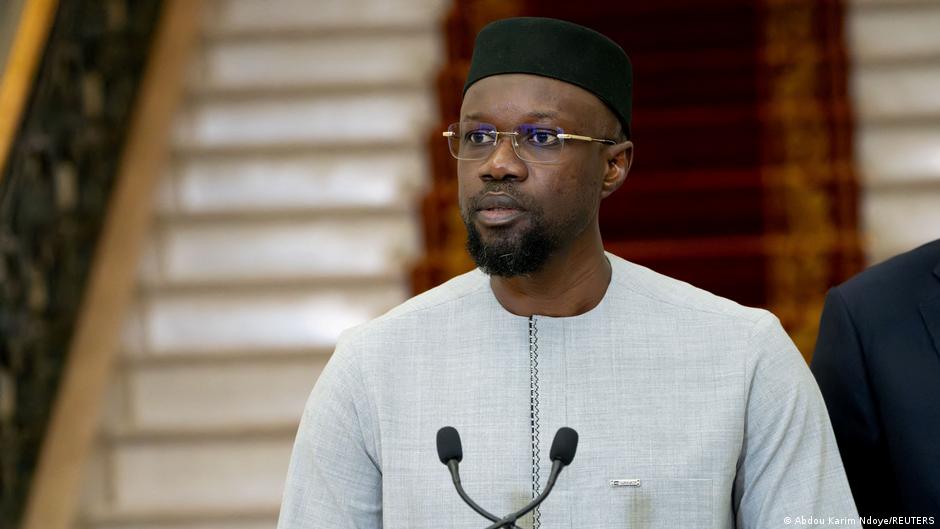
Reactions from the political sphere were immediate. Ousmane Sonko acknowledged the Council’s decision in a social media statement, while the presidential coalition emphasized the proper functioning of institutions and the need for continued dialogue on reforms. Dr. Binette Ndiaye, coordinator of the Citizens’ Forum, praised the Council’s ruling as a necessary safeguard of democratic principles.
“As a member of civil society, I believe this is a decision to commend. The process lacked inclusivity from the outset. It appeared as though a single political party was attempting to alter constitutional provisions without prior consultation or consensus-building. The Council has rightly reminded us that even with a majority, we must respect the voices of all citizens.”
Escalating tensions at the heart of power
The Council’s decision arrives amid growing friction between two key figures of the Pastef movement: President Bassirou Diomaye Faye and Ousmane Sonko. Sonko, who was removed from the Prime Minister’s office in May, quickly assumed the presidency of the National Assembly. Since then, their public disagreements have intensified, with Sonko recently describing the situation as a “cohabitation” with the head of state.
Many political observers view the invalidation of the reform as another chapter in the escalating rivalry between these two leaders, which could have lasting consequences for Senegal’s political landscape.
Reform’s blocked ambitions
Beyond the Constitutional Court issue, the reform also sought to expand parliamentary investigative powers, particularly regarding natural resource contracts and areas previously beyond parliamentary oversight. The Council’s intervention effectively halts these ambitions for now, pending potential future legislative efforts that comply strictly with constitutional procedures.