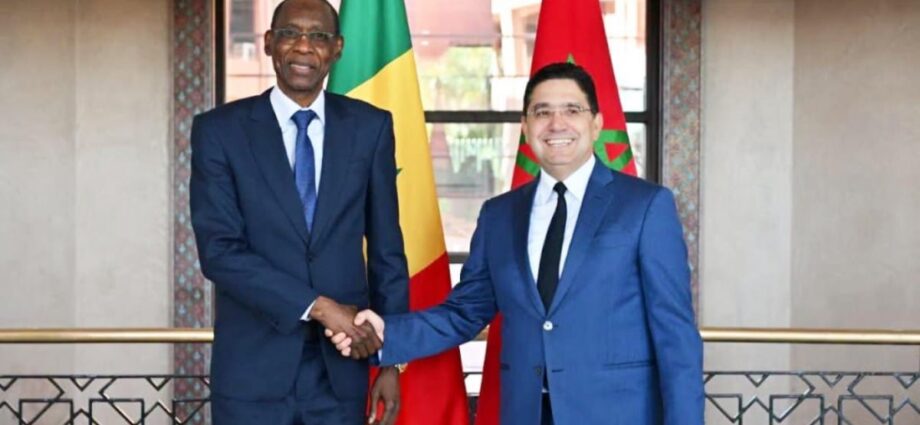
Diplomatic breakthrough: Senegal endorses Morocco’s autonomy plan
The winds of change are sweeping through North African diplomacy. During a landmark meeting in Rabat, Senegal’s Foreign Minister Cheikh Niang reaffirmed Dakar’s unwavering support for Morocco’s sovereignty over the Sahara region, marking a significant pivot in regional alignments. The endorsement of Rabat’s autonomy initiative as the definitive solution to the long-standing dispute signals Senegal’s decisive stance in this critical diplomatic tug-of-war.
Rabat meeting reinforces strategic partnership
The high-stakes encounter between Niang and Morocco’s top diplomat Nasser Bourita took place against the backdrop of escalating regional tensions. The Senegalese minister’s visit—just days after Senegal’s triumph at the 2025 Africa Cup of Nations final—was not merely symbolic. Both sides engaged in substantive discussions on key initiatives, including the Nigeria-Morocco Gas Pipeline and the Royal Atlantic Initiative, designed to foster economic integration across West Africa and the Maghreb.
The Atlanpole Initiative, championed by King Mohammed VI, was hailed by Niang as a “visionary and transformative” project with immense potential to reshape Africa’s economic landscape. Morocco’s strategic vision for continental development aligns closely with Senegal’s own regional ambitions, creating fertile ground for deeper collaboration.
Historic ties and evolving alliances
Senegal’s diplomatic pivot isn’t unprecedented but has gained fresh momentum. In 2020, Dakar took a bold step by opening a consulate in Dakhla, a move Morocco’s government praised as decisive proof of the region’s Moroccan sovereignty. This gesture underscored Senegal’s long-standing alignment with Rabat’s position, even as other nations in the region have maintained more ambiguous stances.
The timing of Niang’s visit, coinciding with the fallout from the CAN 2025 controversy, adds another layer to this evolving narrative. While the Court of Arbitration for Sport upheld Senegal’s victory, the diplomatic overtures in Rabat appear aimed at healing any lingering tensions and solidifying bilateral ties.
Regional tensions and contested narratives
The Sahara dispute remains one of Africa’s most polarizing conflicts. While Morocco champions its autonomy plan as a pragmatic solution, the Polisario Front—backed by Algeria—continues to demand a referendum on self-determination. The United Nations still lists the territory as non-self-governing, keeping the dispute firmly in the global spotlight.
Senegal’s unyielding support for Morocco’s position not only reshapes regional dynamics but also sends a powerful signal to other African nations grappling with similar geopolitical dilemmas. The question now is whether this diplomatic breakthrough will inspire broader consensus or further entrench divisions in the years ahead.
Comments are closed, but trackbacks and pingbacks are open.