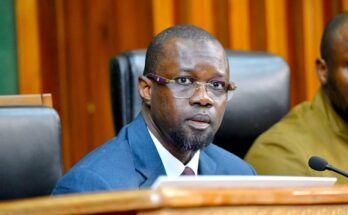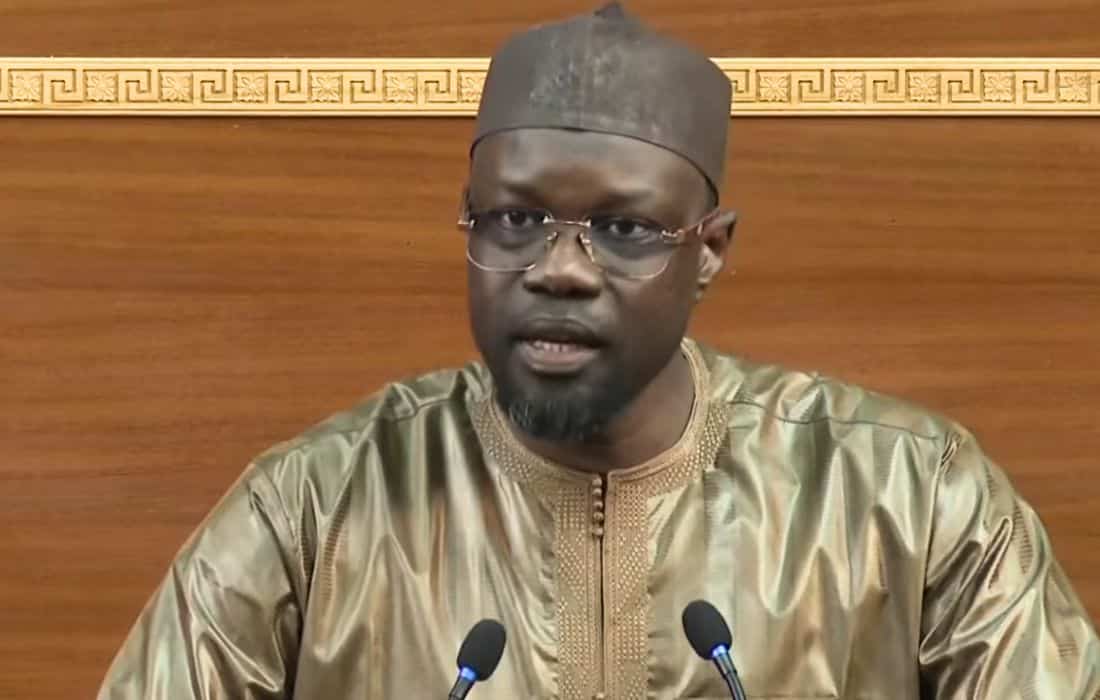
The Prime Minister of Senegal, Ousmane Sonko, has sharply criticized what he describes as the Western imposition of LGBT rights, framing the issue as a political and moral assault on national sovereignty. Speaking before the National Assembly, he condemned the growing push from Western nations, accusing them of attempting to export homosexuality under the guise of human rights advocacy. This stance comes amid escalating tensions between Senegal’s legal framework and global human rights standards, particularly regarding same-sex relations.
The government’s rhetoric reflects a broader trend in which LGBT rights have become a flashpoint in debates over sovereignty, cultural identity, and international influence. As Senegal tightens its laws against same-sex relationships, the divide between domestic policy and international human rights obligations has never been more pronounced.
In early 2026, Senegal amended its penal code to impose even harsher penalties for same-sex relationships, with sentences now ranging from five to ten years in prison. This legal shift has unfolded against a backdrop of heightened social stigma, documented arrests, and reports of violence against LGBT individuals—issues highlighted by human rights organizations operating in the region.
LGBT rights in Senegal: a debate overshadowed by geopolitics
Public discourse in Senegal often frames LGBT rights as a foreign imposition, with slogans like “Our laws, our values” and “Mind your own business” dominating social media. Behind these reactions lies a recurring tension: the clash between national sovereignty and universal human rights principles. Advocates of stricter laws frequently justify them on the grounds of tradition, culture, and religious values, diverting attention from the lived realities of LGBT individuals in the country.
The legal reality: a penal code under scrutiny
Same-sex relationships in Senegal have long been criminalized under the penal code, but the 2026 amendments mark a significant escalation. The expanded legal framework now carries severe consequences, including lengthy imprisonment, which has intensified concerns about the safety and dignity of LGBT individuals. Beyond the courtroom, human rights groups warn of the social fallout—stigmatization, arbitrary arrests, and physical violence—all of which disproportionately affect those targeted by the law.
Why Senegal’s LGBT rights matter beyond its borders
The question of why international observers weigh in on Senegal’s LGBT rights is rooted in the fundamental principle of universal human rights. When individuals face punishment or violence due to their sexual orientation, the issue transcends national boundaries. Human rights, by definition, are not confined to geography—they are universal principles designed to protect dignity and safety everywhere.
To dismiss these concerns as mere foreign interference is to ignore the international commitments Senegal has voluntarily undertaken. The country’s 2001 Constitution explicitly aligns with the Universal Declaration of Human Rights, affirming its dedication to non-discrimination and human dignity. Demanding compliance with these principles is not an imposition but a reminder of existing obligations.
Dispelling myths: LGBT identities in Senegal’s history
A persistent argument claims that LGBT identities are alien to African societies, imported from the West. This narrative ignores historical and social realities. LGBT individuals exist in every society, including Senegal, where they are born, live, and contribute to communities. Their presence is not a cultural import but a natural aspect of human diversity.
Furthermore, non-conforming gender and sexual identities have deep roots in West African societies. Historical figures, such as the goor-jigeen in Senegal, challenge the notion that these identities are recent or foreign. Their existence underscores that debates about LGBT rights are not about importing new ideas but about acknowledging long-standing realities.Cultural sovereignty vs. human dignity: navigating a complex debate
The discourse surrounding LGBT rights in Senegal is entangled in broader tensions—colonial legacies, political maneuvering, and societal resistance. While some frame human rights advocacy as an external threat, others justify legal restrictions as a defense of cultural purity. This binary framing obscures the human cost of criminalization, reducing complex identities to political talking points.
Public rhetoric has at times escalated into dehumanizing language, with terms like “threat” or “cancer” used to describe LGBT individuals. Such language does not merely reflect disagreement—it fosters an environment where discrimination and violence are normalized.
Human rights organizations: defending without dictating
Human rights groups emphasize that their mission is not to impose foreign values but to uphold a simple truth: no person should face punishment or violence because of who they are. While debates rage over sovereignty and cultural relativism, the lived experiences of LGBT individuals in Senegal demand urgent attention. The focus must remain on protecting those at risk, not on political posturing.
Global human rights violations, from Senegal to Russia to China, are addressed by organizations based on local context, resources, and on-the-ground alerts. This approach does not rank suffering but responds to urgent needs while adhering to universal principles of dignity and justice.
Taking action: supporting LGBT individuals in Senegal
In response to the growing crisis, human rights advocates have launched initiatives to provide direct support to LGBT individuals in Senegal. These efforts include legal assistance, emergency aid, and community resources aimed at mitigating the impact of criminalization. Supporting such campaigns translates concern into tangible change, offering hope to those navigating a system that treats their existence as a crime.
At its core, the debate over LGBT rights in Senegal is not just about laws or politics—it is about the safety, dignity, and futures of real people. Their stories deserve to be heard, and their rights deserve to be protected, regardless of borders or political narratives.