
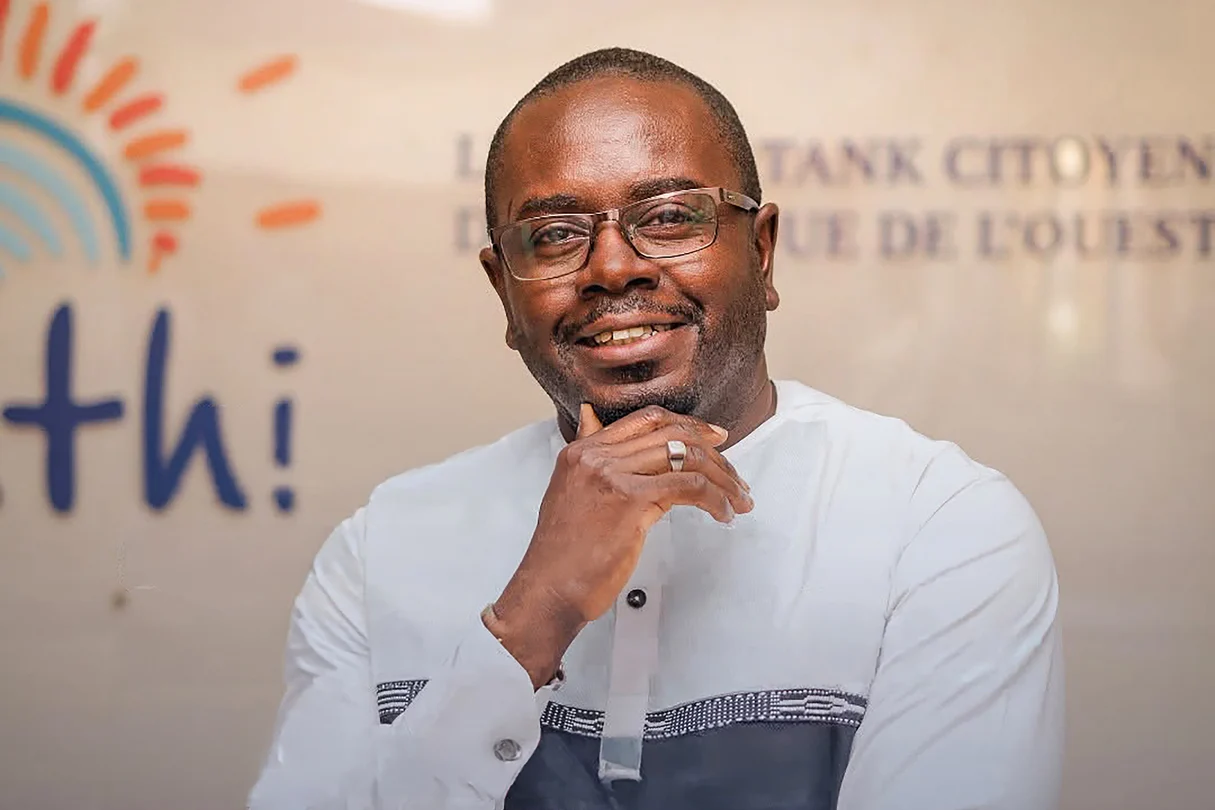
As Senegal gears up for its much-anticipated local elections, President Bassirou Diomaye Faye faces intensifying political headwinds. The delayed vote, now looming closer than ever, has sparked heated debates about governance, timing, and the president’s ability to navigate this critical juncture. Among the most vocal critics is political strategist Babacar Ndiaye, whose sharp warning about the “countdown against time” has sent shockwaves through the administration.
National debate ignites over election delay fallout
The postponement of Senegal’s local elections has become a lightning rod for national discourse. Citizens, political analysts, and opposition figures alike are questioning the implications of the delay on the country’s stability and economic outlook. The debate centers on whether the postponement is a tactical misstep or an unavoidable necessity in a complex political landscape.
Public sentiment is deeply divided. Some argue that the government’s push to meet the original timeline demonstrated poor judgment, while others believe the delay reflects prudent deliberation in the face of unforeseen challenges. One thing is clear: the controversy surrounding the election timing is far from settled, with repercussions likely to shape Faso’s political trajectory for months to come.
Local officials under fire for handling of the crisis
Criticism has not spared local officials, who are caught in the crossfire between the presidency, opposition voices, and public expectations. Many municipal leaders have struggled to justify the delay to constituents, grappling with the dual pressure of maintaining public order and preserving political alliances. The erosion of trust in local governance structures is one of the most troubling side effects of this electoral limbo.
Opposition factions seize on the turmoil
The delay has emboldened opposition groups, who see an opportunity to erode President Faye’s political capital. Figures such as Ousmane Sonko, a prominent opposition leader, have leveraged the situation to rally supporters and challenge the administration’s legitimacy. Their rhetoric underscores a broader narrative of disillusionment with the government’s handling of democratic processes.
Economic ripple effects of the electoral impasse
The postponement of the local elections is not just a political issue—it carries significant economic consequences. Businesses, big and small, have voiced concerns over the uncertainty gripping investment decisions and budget allocations. The private sector, a critical engine of Senegal’s economy, is increasingly anxious about the potential fallout from prolonged instability.
Households, too, are feeling the pinch. Delayed public infrastructure projects and hesitancy in policy implementation have left communities grappling with unfulfilled promises and delayed services. The economic strain is palpable, with many questioning whether the government can deliver on its commitments in this climate of uncertainty.
Diomaye Faye’s next moves: balancing act or high-stakes gamble?
With time fast running out, President Diomaye Faye faces a daunting challenge: how to restore confidence in a government that appears increasingly besieged. His administration’s next steps could either diffuse tensions or exacerbate the crisis, with long-term consequences for Senegal’s democratic stability and economic future.
The president’s handling of this delicate moment will be scrutinized closely. Will he prioritize swift action to address public concerns, or will a more cautious approach prevail? The answer could determine whether his presidency emerges stronger or enters an irreversible decline.
Diplomatic repercussions in the region
Senegal’s political turbulence has not gone unnoticed on the regional stage. Neighboring countries, international partners, and global investors are closely monitoring the situation, wary of potential spillover effects. The stakes are high: any perception of instability in West Africa’s most stable democracy could have cascading consequences for regional trade, security, and diplomatic relations.
Senior diplomats have privately expressed growing unease over the delay, urging the government to clarify its intentions and restore normalcy. The longer the uncertainty persists, the greater the risk of capital flight and diminished investor confidence—two developments that would further strain Senegal’s economic resilience.
What lies ahead: three possible scenarios
As Senegal navigates this critical period, three potential pathways emerge, each with distinct implications for the country’s future:
- Scenario 1: A rapid resolution
If the government moves swiftly to announce a concrete timeline for the elections, it could quell public unrest and restore a sense of stability. However, this would require decisive action and clear communication—a tall order in the current climate. - Scenario 2: Escalating unrest
Failure to address the crisis effectively could fuel protests, strikes, and broader instability. Opposition groups would likely escalate their rhetoric, pushing for systemic reforms or even early presidential elections. - Scenario 3: A prolonged limbo
If the government becomes paralyzed by indecision, the electoral postponement could drag on for months. This scenario risks deepening public disillusionment and eroding trust in the democratic process.
Public mood: a nation divided against itself
Senegal’s citizens are not a monolith. While some remain steadfast in their support for President Faye, others have grown disenchanted, particularly in urban centers where frustration over unmet promises and delayed reforms is palpable. Grassroots movements and social media platforms are amplifying these concerns, creating a fragmented public discourse that mirrors the country’s political divides.
Young voters, a demographic critical to Senegal’s future, are especially vocal. Many feel that their aspirations for change and accountability have been overshadowed by political maneuvering. Their engagement—or lack thereof—in the electoral process could become a defining factor in the coming months.
Reform or regression: the existential question facing Diomaye Faye
At the heart of this crisis is a fundamental question: Is Senegal on the precipice of democratic reform, or is it slipping backward? President Faye’s ability to address the electoral delay with transparency, inclusivity, and a commitment to long-term stability will determine the trajectory of his presidency.
The decisions made in the coming weeks will reverberate far beyond the ballot box. They will shape relations between the state and its citizens, influence investor confidence, and determine whether Senegal can reclaim its reputation as a beacon of stability in West Africa.
Comments are closed, but trackbacks and pingbacks are open.