Senegal’s evolving political landscape under fresh scrutiny
Political observers in Dakar are closely watching the latest developments as questions arise over the stability of Senegal’s institutions. With no planned general policy address in sight, the Prime Minister’s ability to secure parliamentary confidence remains uncertain. While such declarations are not mandatory, tradition dictates their occurrence—and this is typically when confidence votes are requested. Alternatively, lawmakers may initiate their own motions, provided they represent at least one-tenth of the assembly.
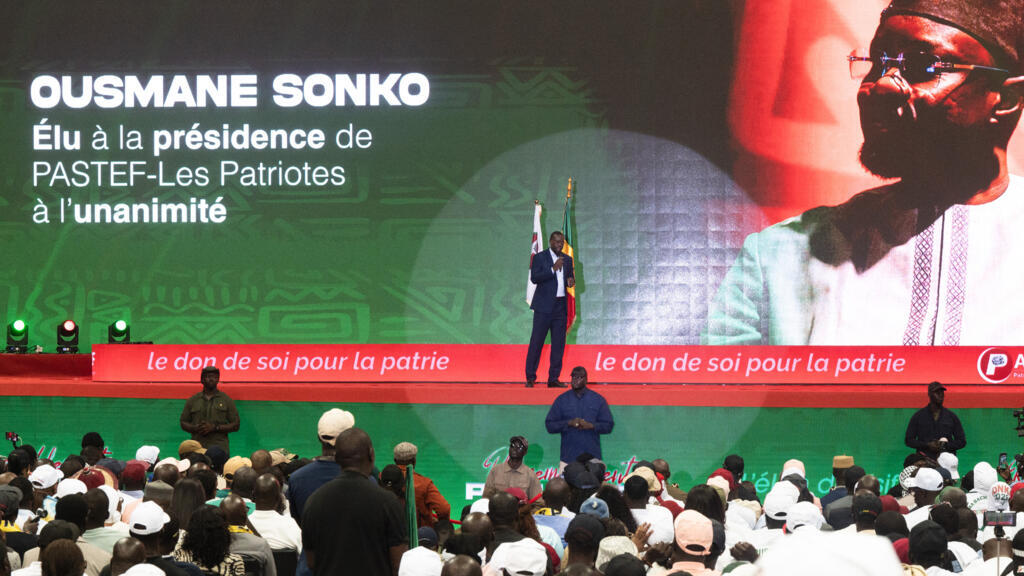
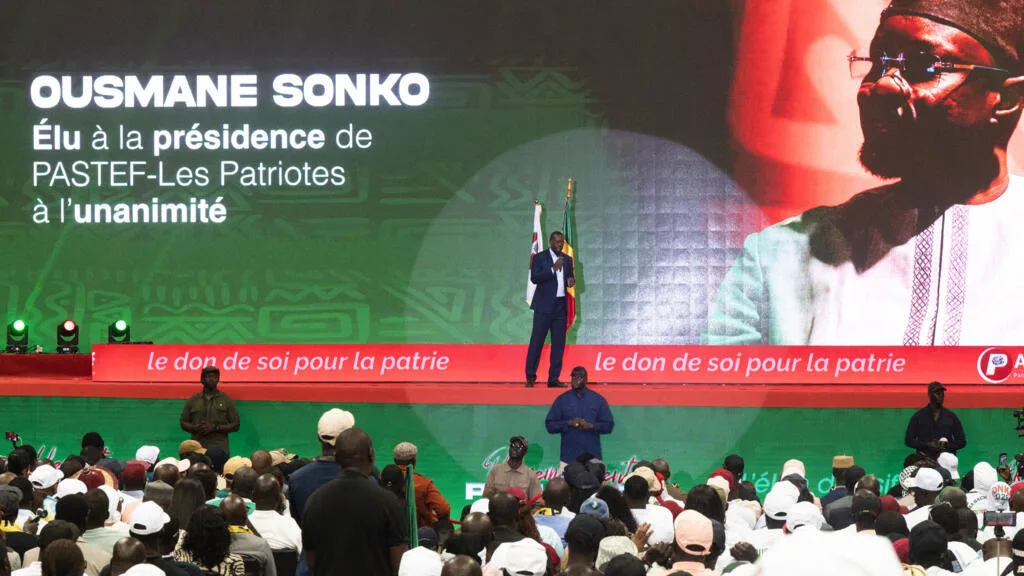
Ousmane Sonko took to the public stage on Sunday to dispel concerns about a potential institutional crisis. His remarks came as a response to growing speculation about the country’s political future.
“There is no institutional crisis in Senegal. This new political configuration has emerged in many nations without fanfare. The Senegalese people have entrusted the executive branch to one leader—regardless of who that might be—and the legislative branch to another or another group. While misunderstandings between individuals or political factions may exist, neither the Senegalese state, its institutions, nor its security or stability are at risk today.”
Despite the acknowledged rift between political figures, analysts like Moussa Diaw suggest a confrontational path is unlikely. Diaw notes that such a stance would risk portraying Sonko as obstructionist, potentially damaging his political standing. Instead, he foresees a pragmatic approach focused on collaboration, with each side respecting the other’s mandates.
However, tensions remain palpable. Key flashpoints include ongoing negotiations with the International Monetary Fund over debt restructuring and the judicial review of fatalities from past political protests. Domestically, unresolved issues—such as the status of dissident ministers and the role of Bassirou Diomaye Faye, who remains honorary president of the party—are expected to be addressed by the political bureau. Sonko also issued a firm warning: local elections scheduled for January 2027 will proceed as planned. No decree has yet been issued to postpone the vote, signaling the next major test for the Pastef party.
Related Posts