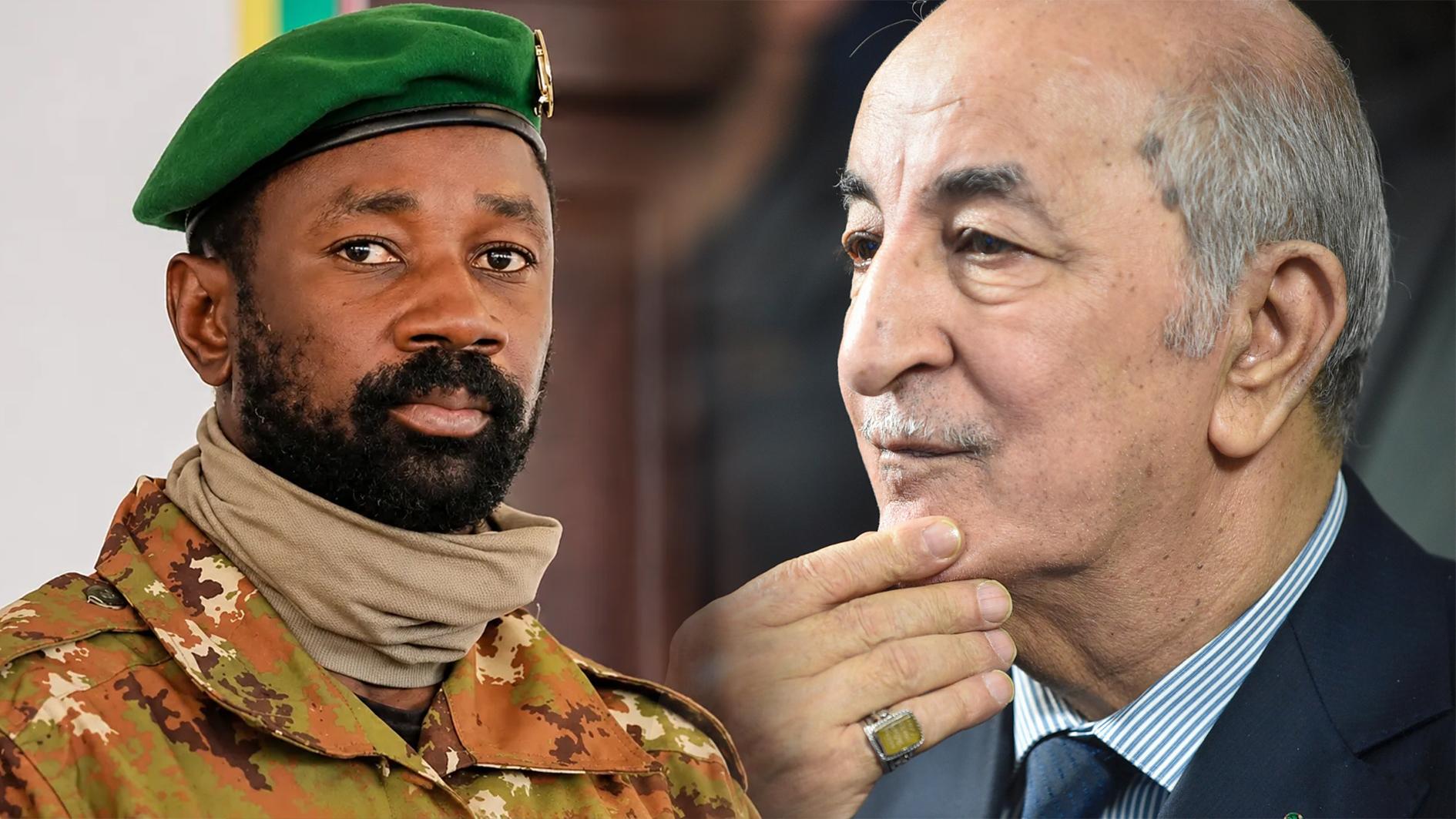
Algerian prime minister Sifi Grine travelled to Bamako on Monday for an official visit that put him side by side with the man steering Mali, army general Assimi Goïta. The setting was the Koulouba palace, and the message was crafted to look like a turning point for two neighbouring Sahel states. Yet the polished protocol struggled to mask a much more tangled diplomatic reality. Behind the handshakes and public statements, recent tensions and the memory of the Algiers Accord still hang over a relationship that has touched bottom.
A handshake at Koulouba that cannot erase the past
During the talks, both delegations focused on tightening bilateral ties, deepening security cooperation and reviving economic exchanges in a Sahel under severe strain. For Algiers, the visit fits a clear aim: reassert influence in its southern backyard. For Bamako, showcasing high-level diplomatic support provides a way out of growing international isolation.
Security, trade and a carefully managed public image
Still, the tableau of unity failed to convince experienced observers of Sahel politics. The encounter comes after months of an unusually bitter diplomatic crisis. Mali’s military leadership had repeatedly accused Algeria of interfering in its internal affairs. The complaints included Algeria’s reception of Malian opposition figures and influential religious actors, as well as alleged backing for northern autonomist rebel groups. By describing Algiers as a hidden sponsor of hostile acts behind a peace-broker facade, Bamako seemed to be searching for an outside scapegoat to explain its security impasse and the worsening situation on the ground.
From bitter accusations to a tactical embrace
The rapprochement celebrated this week looks more like a marriage of convenience compelled by events than a sincere and lasting alliance. Bamako, which has sharply broken with its traditional Western partners and is entangled in uncertain regional alliances, is desperate to diversify its diplomatic backing.
Algiers, meanwhile, cannot accept a permanent source of instability on its southern border, where terrorist networks and cross-border trafficking could thrive. The Sifi Grine–Assimi Goïta meeting therefore rests on pragmatic calculation: save appearances, prevent an irreversible rupture and keep talking, without erasing the deep resentment that has eroded trust between the two governments.
Algeria’s enduring bargaining chip
In this muted power struggle, Algeria retains an undeniable strategic advantage. It has historically been viewed as the security lock and unavoidable mediator of the Sahel, and it long shaped the peace agenda, especially through the 2015 Algiers Accord.
The 2015 accord and the limits of walking away
When the Malian authorities unilaterally renounced that framework in early 2024, they intended to assert their authority and sweep aside outside tutelage. Reality proved different. Dropping the Algerian negotiation framework neither restored peace in northern Mali nor eliminated the security threat. By coming to Bamako now to press its terms and reopen dialogue, the Algerian government is showing its political centrality: Bamako may try to ignore Algerian diplomacy, but it eventually has to deal with it.
Why the ceremony cannot settle the deeper crisis
The visit offers General Assimi Goïta a welcome media respite, but it solves none of the fundamental problems. Mali’s military authorities continue to build their power on security rhetoric while indefinitely postponing a return to constitutional democratic order.
Without a real commitment to internal political stability and without sincerely taking regional balances into account, the promises made during this meeting risk remaining pure communication. Behind the diplomats’ smiles and the rigid uniforms, relations between Bamako and Algiers remain a minefield where each side waits for the other to make a false step.
Comments are closed, but trackbacks and pingbacks are open.