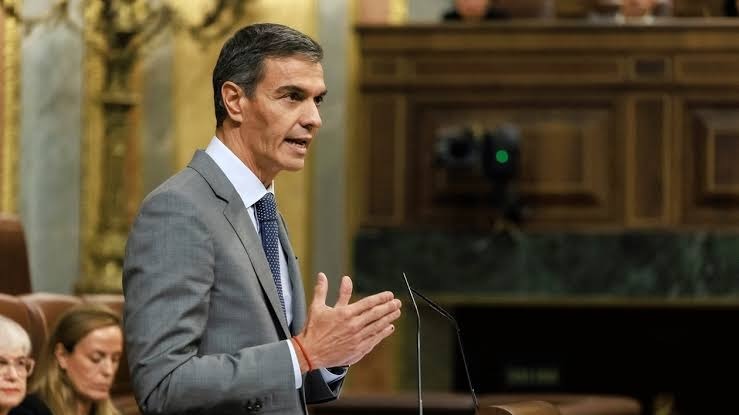
The roots of Spain’s housing crisis run deep, and the political fallout is now reshaping the country’s future. When parliament rejected a package of housing reforms, Prime Minister Pedro Sánchez responded by calling snap elections. The move laid bare the structural tensions that have been building for years: a market that serves investors better than residents, a generation locked out of homeownership, and a government struggling to hold together a majority capable of passing meaningful legislation.
Why the housing crisis reached a breaking point
The roots of the crisis are not new. Rents and property prices have climbed steadily, while the supply of affordable housing has failed to keep pace. In major cities, residents face fierce competition for a dwindling number of homes, and young people increasingly delay leaving the family home. The pandemic, rising interest rates, and a surge in short-term tourist rentals have compounded the pressure, turning a chronic problem into an acute social emergency.
The political gamble behind the snap election
Sánchez had proposed measures to boost the construction of affordable housing, strengthen tenant protections, and curb real estate speculation. But the plan failed to secure enough support in parliament. Opposition parties and several political groups argued it was either insufficient or gave the state too much power over the property market.
The defeat dealt a significant blow to Sánchez and exposed his government’s difficulty in assembling a stable majority for its key reforms. By calling snap elections, the prime minister is asking voters directly for a clearer mandate to pursue his social agenda and introduce a fresh housing plan.
“Housing has become one of the main concerns for Spaniards,” Sánchez said, according to government communications. The opposition, meanwhile, accuses the government of failing to deliver concrete results on the housing crisis, pointing to continued rent increases and the limited impact of recent policies.
The human cost: young people and regional divides
Young Spaniards bear the brunt of the crisis. Many have jobs but earn too little to rent an apartment or qualify for a mortgage. In large urban areas, rent can consume a huge share of monthly income. This limits their independence and deepens inequalities between regions. In tourist hotspots, residents also compete with short-term holiday rentals, which shrink the pool of available homes for locals.
What the election will really be about
The upcoming vote is expected to revolve around purchasing power, rents, and social housing construction. Each party will need to offer credible solutions to address the concerns of a population increasingly anxious about its residential future.
For Sánchez, the election is both a risk and an opportunity to regain the initiative. A victory would strengthen his authority and allow him to push through his reforms. A defeat could usher in a change of majority and a shift in housing policy.
Spain is heading to the polls in a tense atmosphere. Beyond Sánchez’s fate, the election will determine how the country responds to one of its most serious social crises: ensuring that everyone has access to a decent, affordable home.
Comments are closed, but trackbacks and pingbacks are open.