
The state visit of Gabon’s transitional leader, General Brice Clotaire Oligui Nguema, to Paris on July 20, 2026, unfolded under the watchful eye of French media and diplomatic circles. The event, marked by ceremonial grandeur and delicate negotiations, underscored the evolving dynamics between the two nations.
Precision and protocol: the makings of a state visit
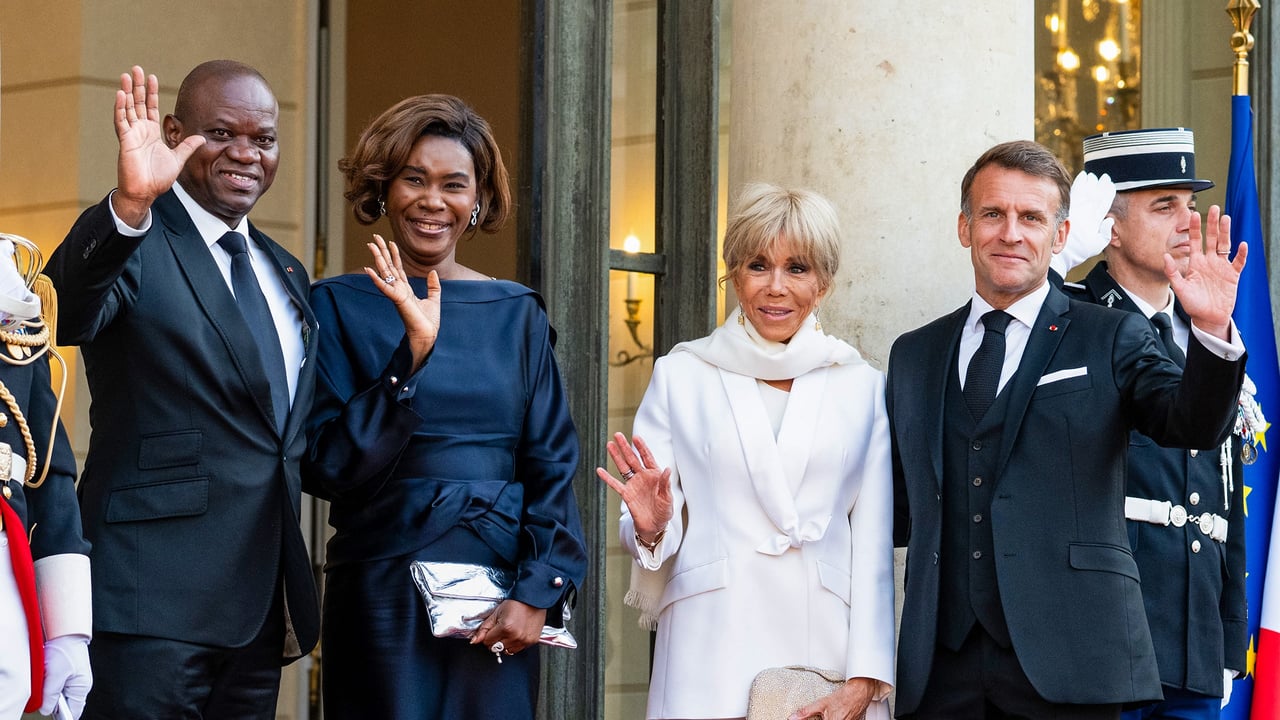
From the moment General Oligui Nguema and his wife, Zita Oligui Nguema, stepped off the plane, every gesture carried weight. The Élysée Palace’s stately reception set the tone for two days of high-stakes diplomacy. In attendance, President Emmanuel Macron and his spouse, Brigitte Macron, extended a hand of cooperation that blended tradition with modern expectations.
The protocol demanded meticulous adherence to ceremonial norms, yet beneath the surface, discussions tackled pressing bilateral matters. Trade agreements, security collaborations, and mutual investments dominated closed-door conversations, revealing the depth of a relationship built on shared interests and historical ties.
balancing french interests with gabonese sovereignty
France’s engagement with Gabon has always been a delicate balancing act, particularly in the post-colonial era. This visit was no exception. While Paris emphasized its commitment to supporting Gabon’s transitional government, subtle tensions emerged around resource management and geopolitical alignments.
Analysts noted that both sides sought to redefine their partnership without compromising core principles. The French delegation highlighted long-term investments in Gabon’s mining and energy sectors, while Gabonese officials underscored the need for equitable partnerships that prioritize national development.
economic talks take center stage
- Mining and energy collaborations: France reaffirmed its interest in Gabon’s abundant natural resources, pledging to deepen partnerships in sustainable extraction and renewable energy projects.
- Trade and investment frameworks: New agreements aimed at boosting Gabon’s industrial capacity were finalized, with French companies poised to play a pivotal role in infrastructure development.
- Debt and fiscal policies: Discussions on debt restructuring and fiscal responsibility hinted at Gabon’s efforts to stabilize its economy amid global financial fluctuations.
symbolism and substance: beyond the ceremonial facade
While the state dinner at the Élysée Palace dazzled guests with opulence, the real outcomes of the visit were woven into the fabric of the talks. The optics of unity were undeniable, yet the substance lay in the commitments inked behind closed doors.
French officials framed the visit as a reaffirmation of solidarity with Gabon’s leadership, particularly as the Central African nation navigates its post-transition phase. For Gabon, the engagement represented an opportunity to secure vital partnerships while asserting its strategic autonomy.
what’s next for Gabon-France relations?
The visit concluded with a joint statement outlining a roadmap for future cooperation. Key milestones include the establishment of a binational economic council and the launch of joint ventures in critical sectors. Observers anticipate that the next six months will be pivotal in translating these commitments into tangible progress.
As Gabon’s transitional government continues its work, and France reasserts its diplomatic presence in Africa, the stage is set for a partnership that balances pragmatism with principle. The Paris visit may have been fleeting, but its implications will resonate for years to come.