Benin’s gratitude: a decade of progress under Patrice Talon
As Patrice Talon prepares to hand over power to Romuald Wadagni, his decade-long presidency leaves behind a profoundly transformed Benin. From groundbreaking infrastructure projects to unprecedented political stability, the years under his leadership have revitalized the nation’s pride and momentum.
a nation’s farewell to its leader
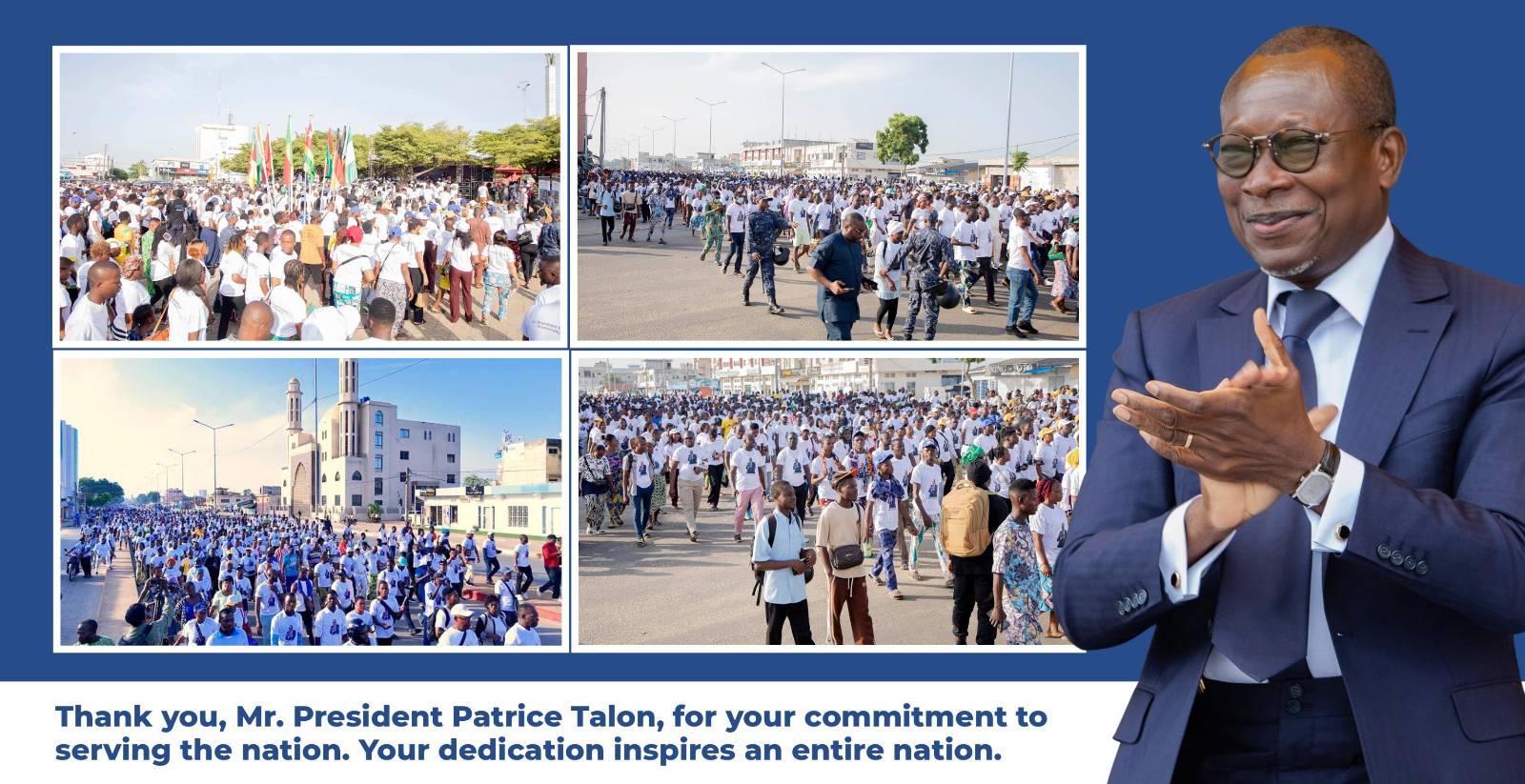
On May 1, 2026, the streets of Cotonou, Parakou and Porto-Novo were filled with an extraordinary atmosphere—not one of ordinary celebration, but of collective appreciation. Thousands of Beninese citizens gathered not just to honor the 68th birthday of their president, but to express their deep gratitude. His decision to conclude two constitutional terms without altering electoral rules or abandoning development promises has set a powerful example of democratic leadership, now widely cited across Africa as a model to follow.
a nationwide transformation: infrastructure as the backbone of progress
Talon’s governance did not focus solely on economic hubs; it ignited a comprehensive national development agenda. Key transformations included:
- breaking regional isolation: asphalt roads now stretch from east to west, boosting cross-border trade and easing the movement of goods. Central and northern regions have seen major development projects, ending decades of isolation for remote communities.
- paving the way for modernization: the nationwide asphalt program did more than enhance aesthetics—it improved sanitation, public lighting and safety, directly elevating health and living standards across urban and rural areas.
- ensuring energy and water for all: substantial investments have made electricity and clean drinking water accessible even in the most remote areas, turning essential services from privileges into universally recognized rights.
Romuald Wadagni: continuity rooted in competence
The selection of Romuald Wadagni as Talon’s successor reflects a strategic choice for both stability and progress. As Minister of State for Economy and Finance throughout the decade, Wadagni played a central role in shaping Benin’s economic rebirth. His deep understanding of state mechanisms and policy frameworks positions him to sustain and expand the gains made under Talon’s leadership.
Wadagni’s agenda is twofold: preserve the infrastructure and economic stability already achieved, while intensifying social development initiatives. His leadership signals a smooth, technical transition—one that prioritizes continuity over disruption, ensuring every road, bridge and utility continues to serve the people.
democracy in action: a model for the continent
Talon’s departure is marked by calm and constitutional compliance. By stepping down after two terms without pursuing constitutional amendments or dynastic succession, he has proven that transformative leadership need not be perpetual to be effective. This unwavering respect for democratic norms has earned Benin global admiration and set a standard for governance in Africa.
The outpouring of public gratitude was not a plea to stay, but a celebration of a mission accomplished. Citizens took to the streets not to demand more time, but to affirm that the nation is ready for the next chapter—firmly rooted in modernity and progress.
key achievements (2016–2026)
- infrastructure: thousands of kilometers of paved roads and urban pathways have reshaped the national landscape.
- economic resilience: sustained growth and enhanced credibility on international markets have bolstered investor confidence.
- energy transition: investment in solar and thermal power plants has significantly reduced reliance on external sources.
- democratic integrity: peaceful transition and strict adherence to constitutional limits reinforce Benin’s reputation as a stable democracy.