Third-term ambition triggers mass protests in Democratic Republic of Congo
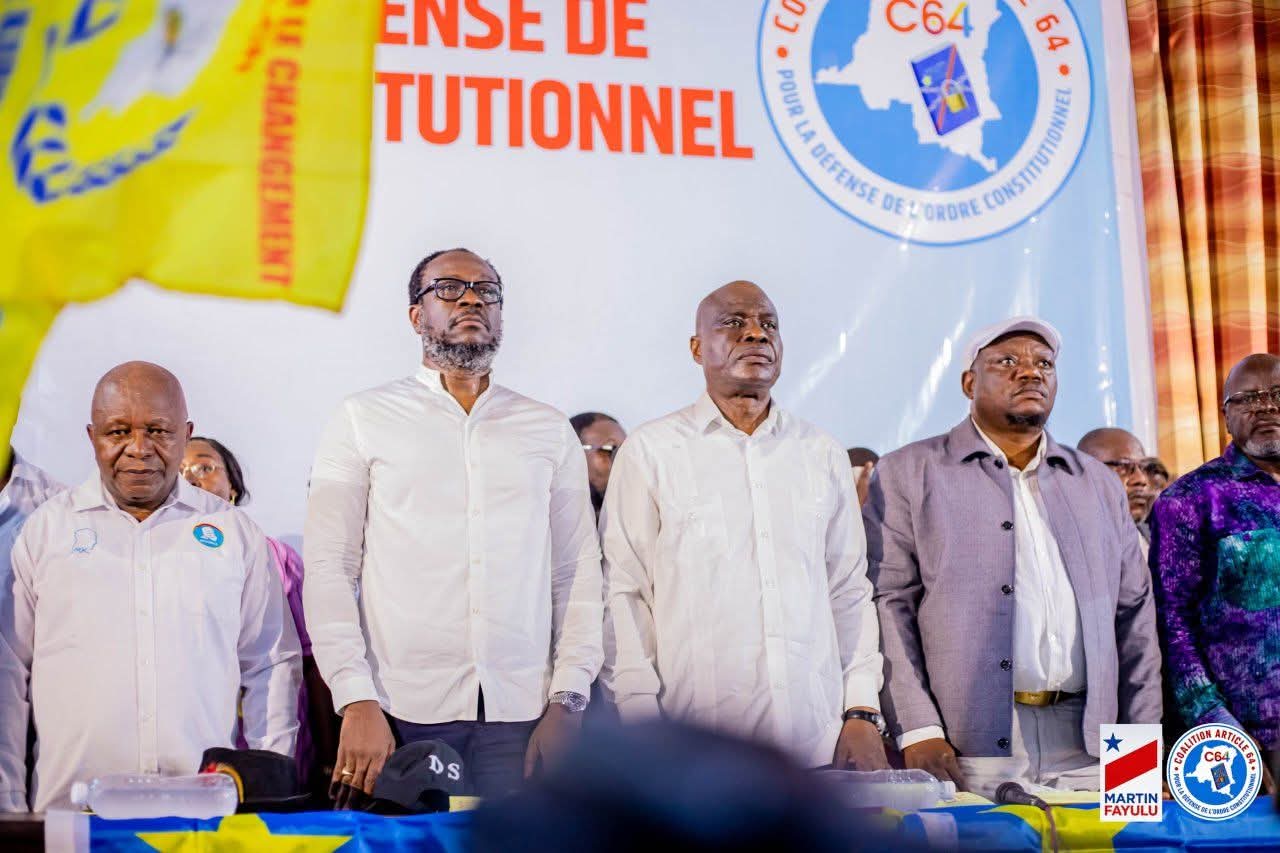
As debates over constitutional amendments gain momentum in the Democratic Republic of Congo (DRC), a coalition of opposition figures and civil society groups sent a clear message to President Félix Tshisekédi: his pursuit of a third term will not go unchallenged. On June 3, the C 64 alliance called for a nationwide city-wide shutdown, urging citizens to stay home in protest. The response was overwhelming—Kinshasa, usually bustling with activity, ground to a halt as businesses shuttered their doors and streets emptied.
Constitutional reform in the DRC hinges on raw political power
The opposition, emboldened by the success of the shutdown, is poised to escalate pressure on Tshisekédi to abandon his third-term bid. Yet, the President shows no signs of backing down. Undeterred by the constitutional two-term limit, he appears determined to push forward with his agenda—even if it means sidestepping the country’s foundational law through a controversial referendum. History suggests his strategy is not without precedent in African politics, where leaders have long manipulated electoral processes to secure their grip on power.
In a bold counter-move, pro-government factions are rallying support. Religious leaders aligned with the administration have announced plans for a public demonstration on June 5 to voice their backing for Tshisekédi’s constitutional changes. The outcome now hangs in the balance, determined by which side can muster greater influence on the ground. If the President’s forces prevail, the amendments could proceed; if the opposition consolidates its momentum, the proposal may collapse entirely.
From critic to architect of constitutional change
Ironically, Tshisekédi’s current maneuvering mirrors the very tactics he once condemned. As an opposition leader in 2018, he vocally opposed Joseph Kabila’s attempts to alter the constitution for a third term—until public outcry forced Kabila to retreat. Yet today, with the reins of power in his hands, Tshisekédi seems prepared to replicate the same playbook, risking deepening political fractures at a time when the nation faces existential threats.
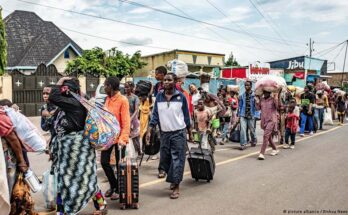
The eastern regions of the DRC remain lawless, ravaged by armed conflict and insecurity, while the specter of Ebola outbreaks continues to plague communities. Critics argue that instead of addressing these pressing crises, the President’s focus on a third term only compounds the nation’s woes. Religious leaders, in a recent social pact presented to Tshisekédi, urged immediate inclusive dialogue to resolve the country’s deepening crises—yet no tangible steps have been taken.
Is the President overestimating his political leverage, or is this a miscalculation born of flawed leadership? One thing is certain: in Africa, history has repeatedly shown that those who ignore the lessons of the past often face the harshest consequences.