The countdown is on in Togo as the opposition, led by Nathaniel Olympio, ramps up preparations for a national protest on November 20, 2026. At the heart of the unrest are soaring living costs, chronic power outages, and deepening social injustices under President Faure Gnassingbé’s administration.
Nathaniel Olympio’s campaign targets rising living costs and government mismanagement
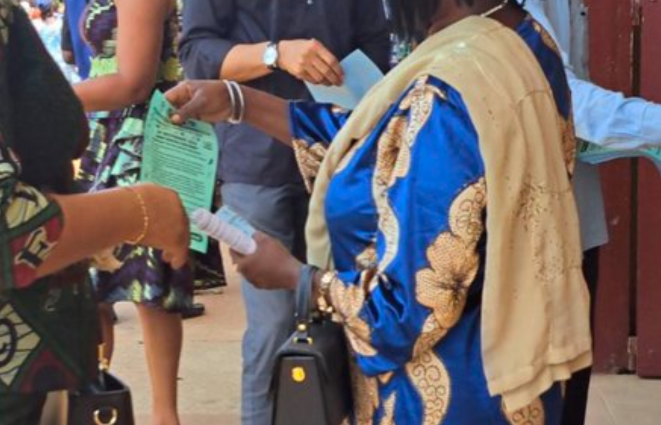
Opposition leader Nathaniel Olympio has escalated his campaign to rally Togolese citizens against what he describes as the government’s failures in economic management. On November 8, 2026, activists distributed flyers at church exits, marking the launch of a broader push for the upcoming “Patriotic Warning Day” on November 20. This effort is spearheaded by the coalition Manifeste Génération Togo, which aims to channel public frustration into a unified demonstration of dissent.
The movement’s core demands center on the unbearable cost of living, which has pushed many households—especially low-income families, small traders, and workers—into financial distress. Olympio argues that the government’s economic policies have failed to address this crisis, leaving citizens to bear the brunt of rising prices for essential goods.
Dysfunctional power supply exposes governance failures
The persistent electricity shortages have become a symbol of the country’s broader governance crisis. Frequent blackouts disrupt daily life, cripple small businesses, and undermine public services, all while the opposition demands greater accountability from the Compagnie Énergie Électrique du Togo (CEET).
Critics accuse the government of mismanaging the energy sector, calling for urgent reforms to ensure reliable power supply. The Manifeste Génération Togo coalition has also highlighted the need for transparency in how the CEET operates, framing the issue as a test of the administration’s competence.
Social injustices and democratic backsliding fuel unrest
Beyond economic grievances, Nathaniel Olympio’s campaign targets systemic injustices in governance. He points to the erosion of democratic norms, including what he alleges is the arbitrary imprisonment of political opponents and the suppression of dissenting voices. The opposition also demands the return of exiled figures and a fundamental reset of national governance.
The movement frames these issues as evidence of a widening gap between rulers and citizens, reinforcing a narrative of institutional decay under Faure Gnassingbé’s leadership.
The 2024 constitutional reforms intensify political tensions
The opposition’s mobilization is further fueled by discontent over the 2024 constitutional amendments, which opponents argue have concentrated power and undermined democratic alternation. Critics claim the reforms were designed to extend the president’s tenure, contradicting the will of the people and deepening the country’s political crisis.
This constitutional dispute has become a rallying point for protesters, who view the November 20 mobilizations as a precursor to broader demands for democratic renewal.
November 20: a pivotal moment for Togo’s future
The Manifeste Génération Togo coalition has called on Togolese citizens to halt their daily activities on November 20 in protest, positioning the day as a critical test for the government. Organizers describe the event as a preliminary step ahead of a larger political transition planned for January 2027.
The opposition envisions this mobilization as a catalyst for inclusive national discussions on governance reform, though its success hinges on widespread public participation. With living costs, power shortages, and democratic deficits dominating the agenda, Nathaniel Olympio’s campaign has set the stage for a high-stakes confrontation with the government.
Comments are closed, but trackbacks and pingbacks are open.