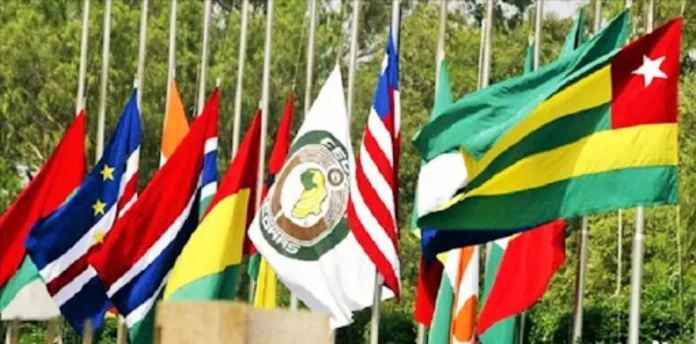
The dispute surrounding Togo’s Fifth Republic is escalating onto the international stage. In a joint open letter, 43 civil society organizations (CSOs) from across Africa and its diaspora are calling on ECOWAS, the African Union, and the United Nations to enact punitive measures against the Togolese government. This urgent plea stems from a ruling by the ECOWAS Community Court of Justice, which deemed the constitutional reform passed in March 2024 an “unconstitutional change of government.”
A concerted diplomatic and civic offensive is gaining momentum against the political regime change in Togo. This collective of 43 African civil society organizations has directly appealed to the continent’s highest bodies and the United Nations, demanding decisive action against the authorities in Lomé.
Central to their advocacy is the landmark ruling ECW/CCJ/JUD/01/26 from the ECOWAS Court of Justice, which determined that the constitutional revision enacted on March 25, 2024, contravenes the African Charter on Democracy, Elections and Governance (ACDEG).
These CSOs argue that the transition from a presidential to a parliamentary system, which vests executive power in a Council President, represents an “institutional circumvention” designed to bypass presidential term limits. They further highlight that the new constitutional text was approved by parliamentarians whose mandates had already expired, and crucially, without any popular consultation through a referendum.
Five significant sanctions sought against Lomé’s government
To prevent the establishment of a precedent for constitutional circumvention within the sub-region, the signatories are urging ECOWAS and the African Union to move beyond moral condemnations and implement concrete actions through five specific demands:
Immediate suspension of Togo from ECOWAS’s decision-making bodies;
Suspension of the nation’s voting and participation rights within the African Union;
Initiation of legal proceedings against those responsible for promoting this institutional alteration;
A comprehensive review of diplomatic mandates held by prominent figures within the Togolese government;
The appointment of a United Nations Special Rapporteur tasked with monitoring human rights and governance in Togo.
Lomé’s rebuttal: national sovereignty and the court’s jurisdiction
In response to these accusations and the community court’s decision, the Togolese government remains resolute. In an official statement issued following the ruling’s publication, the Togolese executive unequivocally dismissed the regional court’s findings.
Lomé firmly asserts that the ECOWAS Court of Justice lacks the jurisdiction to conduct a constitutional review of domestic law or to adjudicate the sovereign constituent power of a member state. According to Togolese authorities, the transition to the Fifth Republic falls solely within the purview of national sovereignty and is intended to modernize the nation’s institutions.
Comments are closed, but trackbacks and pingbacks are open.