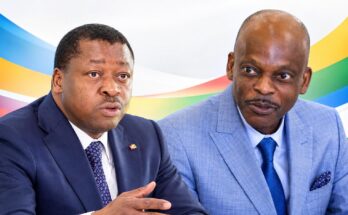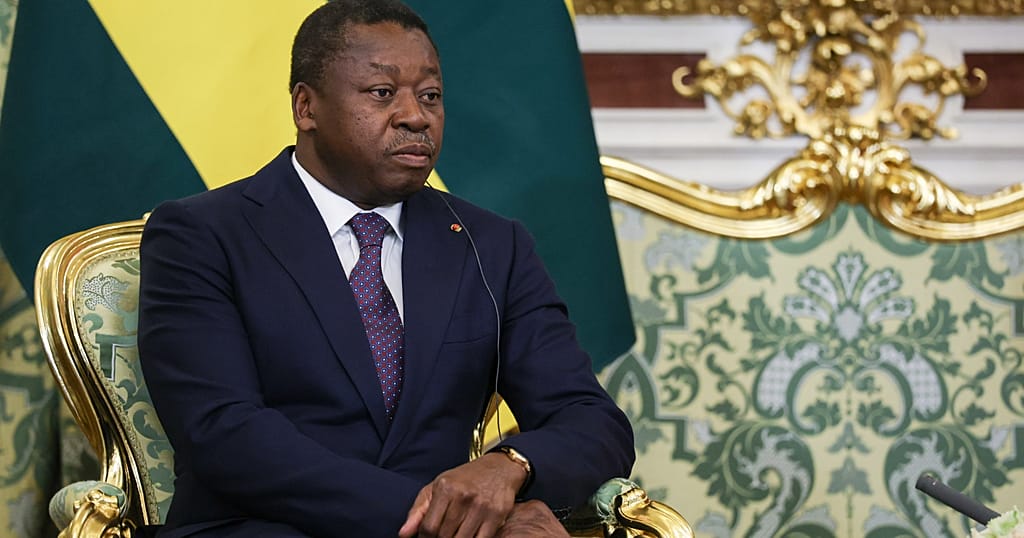
Togo unveiled its fresh geopolitical and security roadmap for the Sahel region during a landmark summit held in Lomé over the weekend. The gathering drew key players from the Economic Community of West African States (ECOWAS) and the Alliance of Sahel States (AES), alongside high-level envoys from France and the European Union.
The initiative is designed to reopen channels of communication with Mali, Niger, and Burkina Faso—nations that have recently distanced themselves from ECOWAS and their traditional Western allies, opting instead to deepen ties with Russia. These shifts have intensified security concerns across the Sahel, where jihadist factions linked to Al-Qaeda and the Islamic State have taken root, claiming countless lives and destabilizing entire regions.
Togo’s new strategy for 2026-2028 rests on five core pillars: fostering political dialogue with the AES, enhancing regional and global cooperation, combating terrorism, and bolstering economic integration across West Africa. The country’s Minister of Foreign Affairs, Robert Dussey, emphasized Togo’s readiness to leverage its diplomatic influence and regional presence as a stabilizing force. “Togo is prepared to act as a vital link between the Sahel and the international community, offering its mediation expertise to promote peace and security,” he stated.
The AES representatives in attendance welcomed Togo’s proposals, signaling openness to enhanced collaboration. Addressing the summit, Mali’s Foreign Minister, Abdoulaye Diop, stressed the need for collective action, stating, “Security cooperation must prioritize the removal of foreign forces that undermine regional stability and threaten neighboring states.”
With jihadist violence spreading toward coastal nations like Togo and Benin, the stakes have never been higher. The Sahel remains one of the most volatile regions in Africa, grappling with relentless insurgencies and shifting alliances. Togo’s proactive stance could serve as a turning point in restoring dialogue and security.