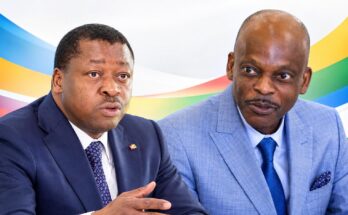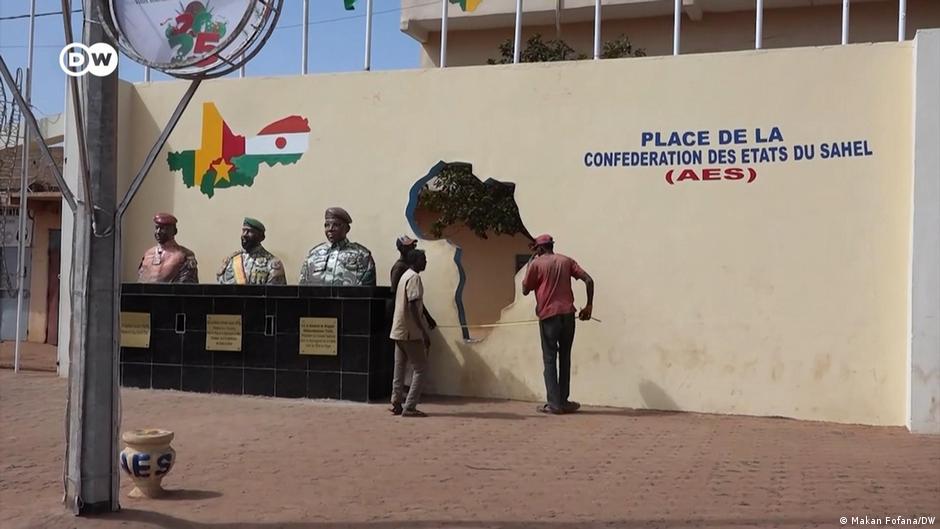
The Republic of Togo has outlined its renewed approach to the Sahel crisis, positioning itself as a key mediator between West African nations dealing with jihadist threats and the broader international community. Announced during a high-level diplomatic event, this updated strategy reflects Lomé’s evolving role in a region grappling with escalating instability.
According to Robert Dussey, Togo’s Minister of Foreign Affairs, the country’s second-phase Sahel strategy is not just timely but essential. The Sahel has become a hotbed of violent extremism, threatening the security of neighboring countries and beyond. By adopting this proactive stance, Togo aims to safeguard its own stability while fostering peace in the region.
Three strategic pillars guiding Togo’s Sahel initiative
At the core of Togo’s revamped strategy are three interconnected objectives:
- Strengthening regional cooperation: Enhancing partnerships with neighboring countries to bolster collective security and stability.
- Promoting peacebuilding conditions: Creating an environment conducive to dialogue and conflict resolution across the Sahel.
- Supporting political normalization: Assisting transitional governments in Mali, Niger, and Burkina Faso in their efforts to restore democratic governance after recent military takeovers.
Security achievements and ongoing challenges
Jean Emmanuel Gnagnon, a political governance and crisis management expert at the University of Lomé, acknowledges Togo’s progress in curbing the southward spread of armed groups and preventing long-term terrorist infiltration. He notes that the country has significantly bolstered its security infrastructure in the subregion. While he emphasizes that previous phases did not resolve the crisis entirely, he credits them with buying critical time for Togo to enhance its defenses and mitigate risks.
However, skepticism remains. Some analysts argue that Togo’s diplomatic efforts in the Sahel have not yielded substantial improvements in security or democratic governance. Madji Diabakaté, a political scientist, compares the country’s ambitions to a fable about a frog attempting to match the size of an ox. He contends that despite Togo’s engagement, the region’s core issues—insurgency and democratic backsliding—remain unresolved. Critics also claim that Togo’s diplomatic stance has inadvertently weakened the ECOWAS by aligning too closely with military-led states that triggered the crisis.
Domestic concerns overshadow regional ambitions
Many Togolese citizens express discontent with their government’s regional focus, urging authorities to prioritize domestic political stability before extending support to other nations. Meanwhile, Robert Dussey maintains that Togo maintains productive relationships with regional and international partners, prioritizing shared interests and collaborative security efforts.