Togo’s airport visa snag exposes africa’s free movement dilemma
The third edition of Biashara Afrika, held in Lomé, was meant to celebrate the African Continental Free Trade Area (AfCFTA) and its promise of a unified market of 1.4 billion consumers. Instead, it became a stark reminder of how bureaucratic hurdles can derail even the most ambitious continental projects.
Welcome to Lomé, where grand pledges on continental integration collided with the realities of Togo’s airport tarmac—leaving little room for diplomatic niceties.
On the opening day of Biashara Afrika 2026, the atmosphere was electric with anticipation. Yet the speeches of African leaders and financial magnates were soon overshadowed by an incident that laid bare the contradictions of the continent’s integration efforts.
When a passport becomes a barrier to entry
The Nigerian Minister of Industry, Trade, and Investment, Dr. Jumoke Oduwole, took the stage with a story that cut through the usual optimism. She recounted the ordeal of two high-profile investors—one Nigerian, the other Ghanaian—who had arrived in Lomé the night before, armed with valid ECOWAS passports.
Their crime? Simply being African.
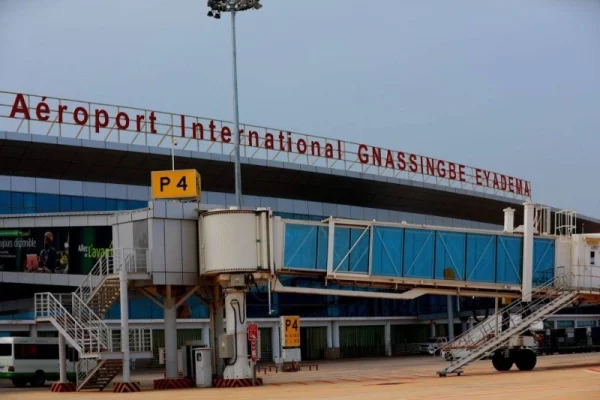
Despite the ECOWAS Free Movement Protocol, in place since the 1970s, the two businessmen were denied entry at Lomé’s Gnassingbé Eyadéma International Airport. Their only recourse? To produce European passports and request emergency visas—a humiliating process that left them questioning the very idea of pan-African unity.
The minister’s blunt assessment echoed the frustration of investors across the continent:
« One investor, a financial services executive, told me he would not consider investing in Togo after this experience. His decision was made before he even left the airport. Imagine if a European were forced to apply for a visa under similar circumstances within the European Union—it would never happen. »
For the average African traveler, visa requirements are a familiar frustration. But for investors, such barriers send a clear message: Africa’s integration remains more rhetoric than reality.
The paradox of integration: when bureaucracy trumps policy
As a self-proclaimed regional logistics and financial hub, Togo prides itself on its strategic position. Yet the airport incident exposed a glaring flaw: Africans face stricter entry rules than Europeans. A CEDEAO passport was not enough to secure entry—only a European passport guaranteed swift passage.
This double standard not only undermines the AfCFTA but also repels potential investments. The irony was not lost on delegates at Biashara Afrika, who had gathered to dismantle trade barriers, only to witness one erected in real time.
Ticking clock: 48 hours to fix the “hub”
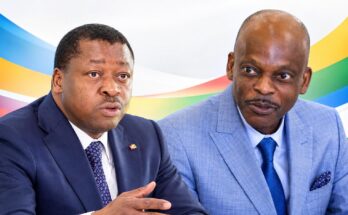
The incident struck a nerve with Togolese President Faure Gnassingbé, who recognized the reputational damage unfolding before global investors. Rather than convening a slow-moving inquiry, he issued an immediate ultimatum:
« I give the Minister of Security 48 hours to resolve this issue. »
The directive was unambiguous. By the time Biashara Afrika 2026 concluded, the country’s immigration services would either have corrected their procedures—or faced further embarrassment on the continental stage.
The forum had set out to eliminate non-tariff barriers. Ironically, the lesson of Lomé’s airport was that even the most high-profile economic projects can hinge on a single, misplaced stamp.
AfCFTA: the free movement gap that threatens integration
The airport incident was more than an embarrassment—it was a warning. As an Ivorian economist at the forum noted:
« Without free movement of people, the AfCFTA is just an empty shell. »
A Ghanaian entrepreneur added:
« If we must wave a European passport to invest in Africa, then integration is nothing but a slogan. »
The episode underscored a harsh truth: the AfCFTA’s promise of a unified market remains fragile without aligned policies on visas, digitalized border procedures, and political will. Lomé had unwittingly demonstrated how a single bureaucratic failure could erode billions in potential investments—and the continent’s credibility.