Understanding Africa Corps: Russia’s new paramilitary force in the Sahel
A shadowy Russian paramilitary unit, Africa Corps, has recently withdrawn from a key Malian stronghold. Despite this setback, the group remains a vital asset for Moscow’s strategic interests across Africa.
A weekend of fierce clashes rocked Mali on April 25, as jihadist factions joined forces with Tuareg rebels to launch simultaneous assaults on government positions near Bamako—where the Defense Minister was killed—and in several major cities.
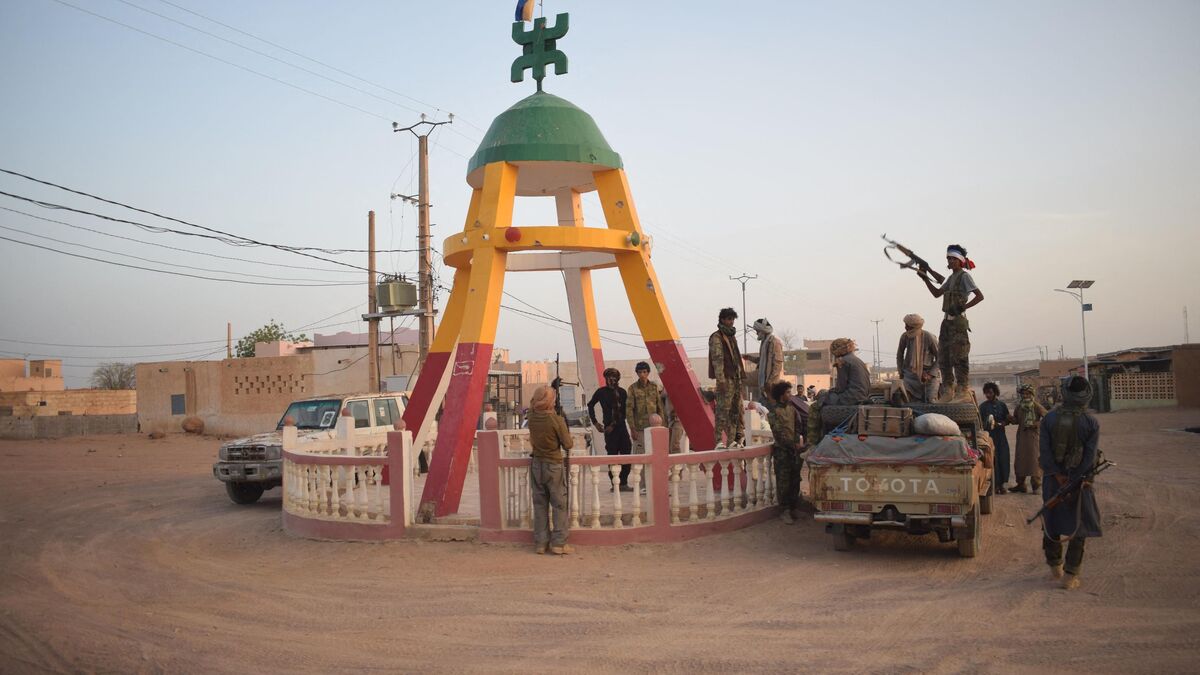
In eastern Mali, rebels reclaimed Kidal, a pivotal stronghold long held by Africa Corps. After intense fighting and protracted negotiations, the Russian-backed paramilitary unit withdrew, though it maintains a significant presence beyond Mali’s borders.
Established in late 2023, Africa Corps emerged as one of Russia’s most discreet military arms abroad. Its creation was first hinted at by military blogger Deux Majors on Telegram, citing statements from Igor Korotchenko, a former Russian colonel and Kremlin-aligned journalist. The group reportedly falls under the command of Deputy Defense Minister Iounous-bek Evkourov.
Its rise coincides with the decline of Wagner Group, which had operated independently since 2014 to advance Russian interests globally, particularly in Africa.
Wagner’s founders, oligarch Evgueni Prigojine and ex-intelligence officer Dmitri Outkine, died in a mysterious plane crash in August 2023, following Prigojine’s brief rebellion against Moscow.
According to U.S. officials, Africa Corps was designed to absorb Wagner’s African operations and personnel, positioning itself as a more centralized and rigid alternative. Unlike its predecessor, Africa Corps avoids the notoriety linked to widespread accusations of war crimes and violent repression.
Explicit strategic goals
From its inception, Africa Corps has outlined its mission: conducting large-scale military operations across Africa to help nations break free from neocolonial ties, expel Western influence, and secure full sovereignty, as Korotchenko explained.
The group’s name draws inspiration from the Afrikakorps, Nazi Germany’s North African force during World War II, mirroring Wagner’s own naming convention tied to Adolf Hitler’s favorite composer.
Expanding influence across Africa
Africa Corps has steadily extended its reach beyond Mali, deploying troops and military equipment to allied governments in Burkina Faso, Libya, Sudan, Central African Republic, and Niger. While its operations are less overtly violent than Wagner’s, the group has faced international sanctions. In 2024, the United Kingdom accused Africa Corps of widespread human rights abuses and exploiting natural resources for profit.
Mali: a pivotal battleground
Since 2024, Africa Corps has largely replaced Wagner in Mali, where it deploys hundreds or even thousands of fighters. Some Wagner commanders and their troops have even defected to Africa Corps in the region.
The group’s primary objective in Mali is to bolster the ruling junta in Bamako against Tuareg rebels, reinforcing Moscow’s regional clout following the gradual withdrawal of Western powers, including France. Africa Corps also seeks to control migration routes and gain access to valuable mineral resources.
Related Posts