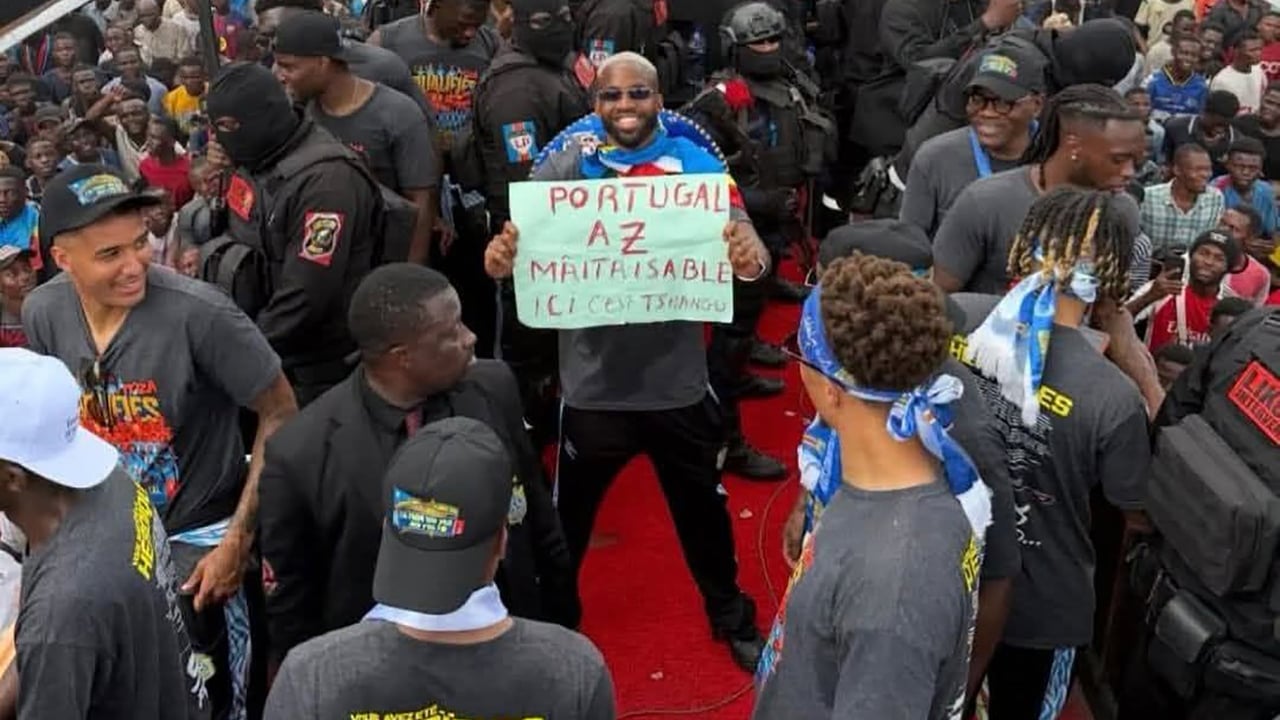
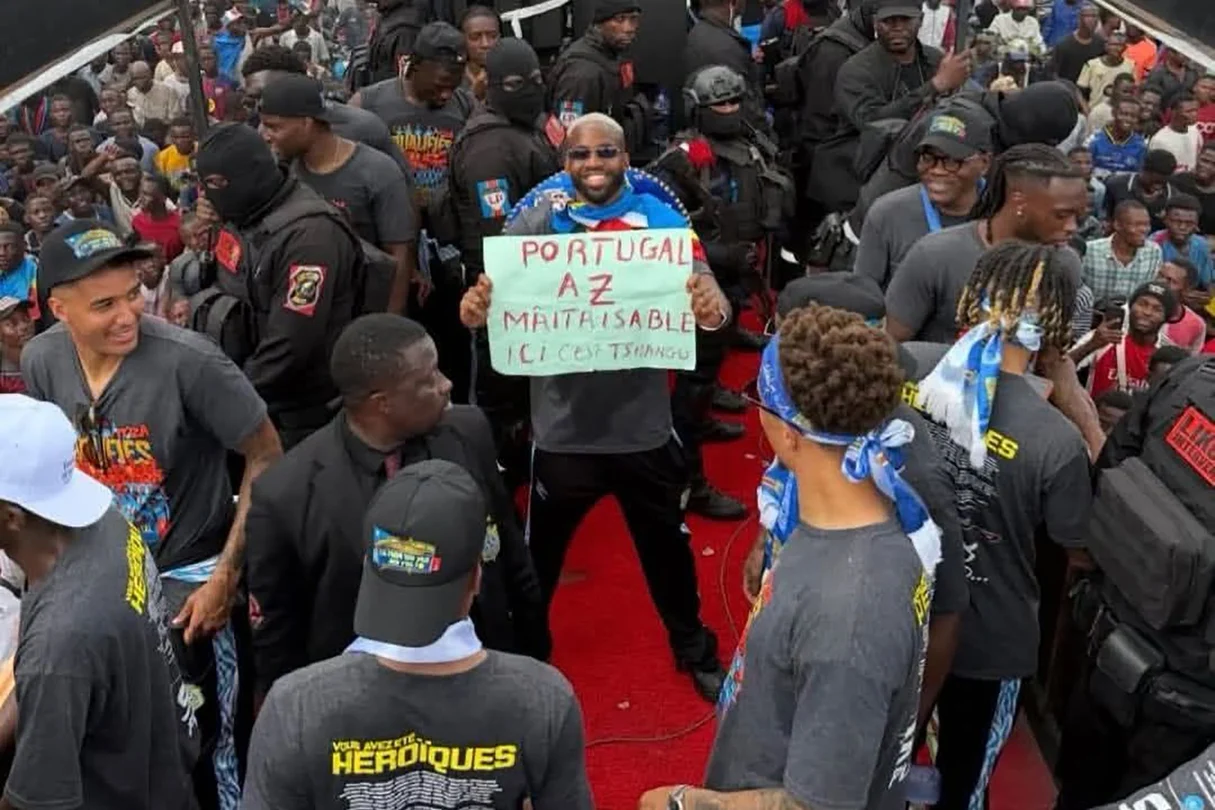
The slogan “Maîtrisable”—once a rallying cry for football fans—has taken on a new, contentious meaning in the Democratic Republic of the Congo. What began as a chant to express confidence in the national team, the Léopards, has evolved into a symbol of political tension, sparking debates across Kinshasa and beyond. The phrase, emblazoned on banners and social media, now carries weighty implications tied to the country’s turbulent governance landscape.
From stadiums to courtrooms: the shifting meaning of a slogan
The phrase “Maîtrisable” first gained prominence during the Léopards’ recent matches, with supporters using it to signal their belief in the team’s ability to control the game. However, its sudden resurgence in public discourse has raised eyebrows. Critics argue that the slogan’s widespread use reflects deeper frustrations with the political establishment, particularly amid ongoing legal and social upheavals.
Political figures and the Makala prison controversy
The slogan’s transformation into a political statement has drawn attention to high-profile legal cases, including those involving former President Joseph Kabila and current leader Félix Tshisekedi. The Makala prison in Kinshasa, where several prominent figures are detained, has become a focal point in these discussions. Analysts suggest that the slogan’s adoption by opposition groups is no coincidence, as it mirrors their calls for accountability and reform.
While some view the chant as a harmless expression of team spirit, others see it as a veiled critique of the government’s handling of national crises. The ambiguity of the phrase has allowed it to resonate with diverse audiences, further fueling its prominence in both sports and political arenas.
Public reaction: unity or division?
The slogan’s dual interpretation has sparked mixed reactions. Supporters of the Léopards insist it remains a positive affirmation of their team’s potential. Meanwhile, critics argue that its appropriation by political factions risks overshadowing its original intent. The debate highlights the complex interplay between sports, politics, and public sentiment in the DRC.
The controversy underscores how a simple phrase can transcend its original context, becoming a flashpoint for broader societal tensions. As the slogan continues to circulate, its meaning remains fluid—morphing with the shifting tides of Congolese public opinion.
Comments are closed, but trackbacks and pingbacks are open.