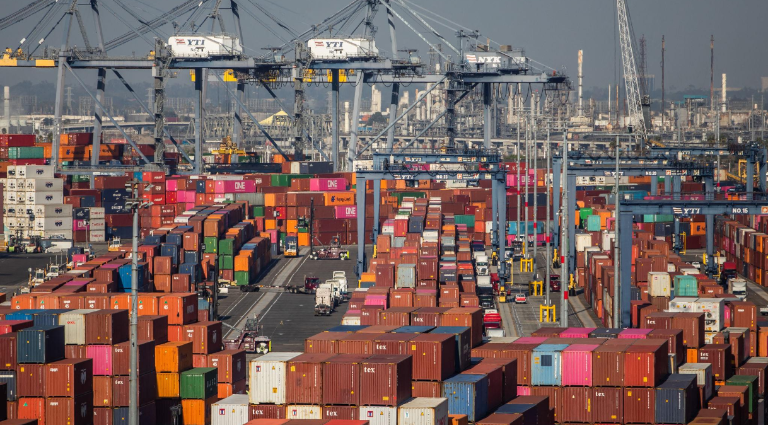
Trump administration unveils wide-reaching tariff plan targeting major economies
Washington has escalated its trade strategy by announcing sweeping tariff hikes on 14 key trading partners, including China, the European Union, Japan, and India. The move aims to counter what the administration describes as unfair market practices, particularly the flood of low-cost imports that threaten domestic industries.
The most severe proposed tariff, set at 20 %, targets China—a clear signal that Beijing remains the primary focus. Other nations facing potential duties include major Asian economies like Japan, South Korea, and India, alongside Southeast Asian producers such as Vietnam, Malaysia, and Thailand.
China bears the brunt of Washington’s protectionist push
Chinese goods are most exposed to the proposed tariff measures, with rates potentially reaching 20 %. The Trump administration argues that Beijing’s industrial overcapacity distorts global trade by flooding markets with underpriced goods, undermining American manufacturers.
This latest action reinforces Washington’s broader protectionist agenda, designed to shield U.S. producers from foreign competition and reduce the country’s trade imbalances. By raising import costs, the U.S. hopes to incentivize domestic production and reduce reliance on cheaper foreign alternatives.
Expanding beyond China: a multi-nation trade crackdown
The proposed tariffs extend beyond China to target a diverse range of partners spanning Asia, Europe, and beyond. Key economies like the European Union, Japan, and India now face potential duties, alongside Southeast Asian nations such as Singapore, Indonesia, and Cambodia. This broadening scope marks a shift from the administration’s earlier focus on Sino-American trade tensions.
For many of these nations—especially export-dependent economies—the impact could be severe. Businesses heavily reliant on the U.S. market may face higher costs, reduced revenues, or both, as American consumers shoulder some of the burden of these new tariffs.
Global trade under strain: risks of retaliation and supply chain disruptions
The announcement has heightened concerns about a domino effect in global trade. Affected nations could retaliate with their own tariffs on U.S. exports, setting off a cycle of escalation that threatens to destabilize supply chains and strain international relations.
Analysts warn that the measures could lead to higher prices for imported goods in the U.S., affecting everything from electronics to apparel. Meanwhile, global manufacturers may reassess their strategies, potentially relocating production or diversifying export routes to mitigate risks.
Next steps: public consultation and timeline for implementation
The proposal is currently open for public feedback, with written submissions due by January 5, 2027. Public hearings will follow starting January 25, 2027, as the administration finalizes the details of its tariff plan.
If enacted, this aggressive tariff strategy will mark a significant escalation in Washington’s trade policy, cementing tariffs as a central tool in its economic toolkit. The move reflects Donald Trump’s longstanding stance on prioritizing American industry, but its broader repercussions could reshape global trade dynamics for years to come.
Comments are closed, but trackbacks and pingbacks are open.