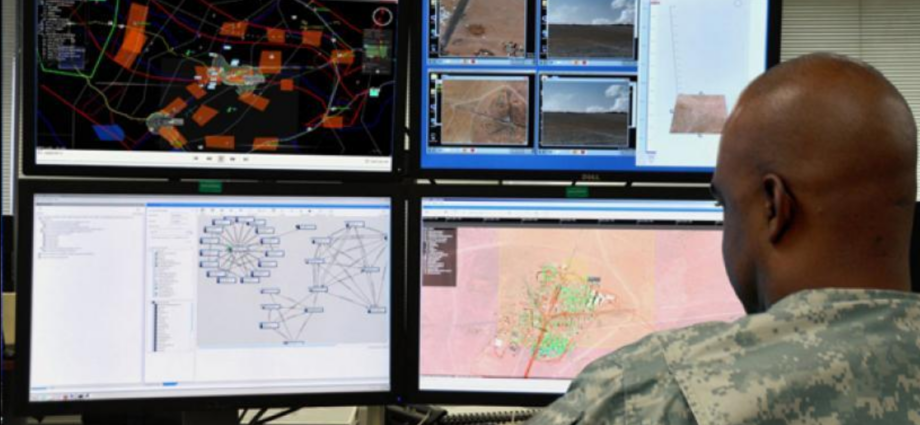
On November 24, 2026, a previously undisclosed cyber incident compromised a non-classified intelligence platform shared between the Central Intelligence Agency (CIA) and the Office of the Director of National Intelligence (ODNI). Investigators confirmed the intrusion targeted a system used for open-source intelligence (OSINT) operations, though classified networks remained unaffected.
Unauthorised access targets unclassified intelligence tool
A specialist OSINT environment integral to US intelligence gathering procedures was breached during the incident. While authorities stress the compromise did not extend to classified systems, the exact timeline and data accessed remain under review. The intrusion represents a rare public exposure of vulnerabilities in tools designed to aggregate publicly available and commercially sourced information.
OSINT platforms typically harvest intelligence from social media data, commercial databases, satellite imagery, economic reports, and publicly accessible geospatial feeds. These materials form the backbone of non-classified analysis that supports strategic decision-making across multiple government agencies.
Strategic implications despite absence of classified data exposure
The breach raises concerns beyond simple data theft. Analysts warn that even non-sensitive information could reveal critical operational details if exploited by adversaries. Insights into monitored regions, prioritised intelligence themes, and preferred information sources may inadvertently disclose strategic priorities and analytical methodologies used by US intelligence.
While officials confirm no classified systems were accessed, they have not provided a technical assessment regarding the duration of exposure or the volume of information potentially extracted. The investigation continues to determine whether extraction occurred and, if so, the nature of the compromised data.
Unidentified threat actors exploit peripheral systems
No official attribution has been assigned to the attackers. The intrusion methodology remains undisclosed, leaving open questions about whether the perpetrators were state-sponsored entities, organised cybercriminal groups, or independent hackers. Circumstantial indicators have been discussed in media analyses, though no concrete evidence implicating foreign actors has been presented.
Agency officials have declined to comment on the incident’s technical specifics, citing ongoing security protocols. The lack of detailed disclosure contrasts with the gravity of the breach, which targeted a system designed to process vast volumes of publicly available information.
Broader cybersecurity challenges for US intelligence infrastructure
The incident follows a series of unrelated cybersecurity events affecting other federal entities, including the Federal Bureau of Investigation (FBI) and the Department of Agriculture. The NSA also experienced a temporary disruption in its classified communication network, attributed to an administrative software update rather than malicious activity.
While no direct connection has been established between these events, the latest breach on OSINT infrastructure underscores the escalating risks confronting non-classified systems integral to national security analysis. The question now facing Washington is how to safeguard connected intelligence platforms without compromising their essential external data integration capabilities.
Key areas under investigation
- Duration of unauthorised access to the OSINT system
- Specific categories of data potentially compromised
- Exact origin and identity of the attackers
- Potential impact on ongoing intelligence collection priorities
Comments are closed, but trackbacks and pingbacks are open.