Democratic party takes control of US Congress, testing Trump’s foreign policy
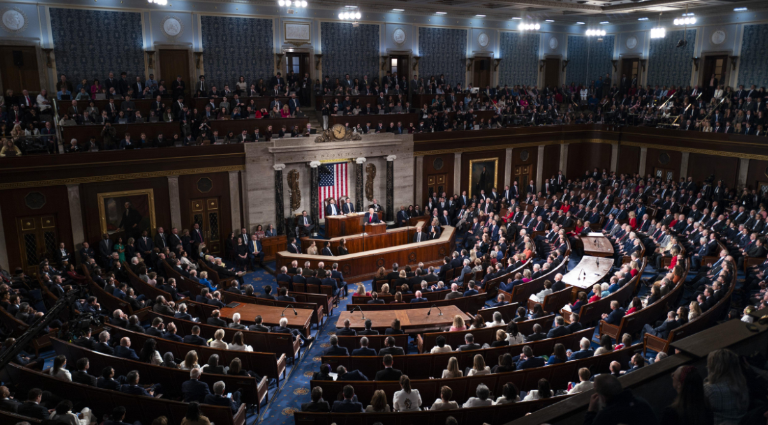
The midterm elections delivered a historic defeat to Donald Trump as Democrats secured commanding majorities in both the House of Representatives and the Senate. With two years remaining in his term, the president now faces an opposition-controlled Congress that could reshape America’s global standing.
Washington’s political landscape has shifted dramatically. The Democratic victory on November 3 represents one of the most significant setbacks in Trump’s political career, stripping him of the congressional backing that has enabled his policies in recent years.
Congressional leverage threatens Trump’s global agenda
The new Democratic majority enters office in January 2027 with powerful tools at its disposal. Budgetary control, oversight hearings, and the ability to block key appointments—particularly diplomatic nominations—will give lawmakers unprecedented influence over foreign policy decisions.
While Trump retains executive authority as commander-in-chief and veto power over congressional legislation, the fragmented government structure risks paralyzing his international initiatives. The result could be a weakened and inconsistent American stance on global issues ranging from Ukraine to Iran.
Military spending and Iran policy face congressional scrutiny
The ongoing military engagement in Iran, launched without prior congressional approval, has drawn increasing public and political opposition. Democrats are poised to push for stricter funding controls, enhanced transparency, and accountability measures that could curb Trump’s operational flexibility.
However, Congress lacks the authority to unilaterally halt active military operations, leaving the president’s strategic options intact despite congressional resistance.
Ukraine and Europe hope for renewed stability
European allies have greeted the Democratic victory with cautious optimism, viewing it as a potential counterbalance to Trump’s unpredictable foreign policy. A divided Congress may now push for a more predictable commitment to Ukraine and reaffirm America’s role in transatlantic security.
Yet European leaders must recognize that ultimate authority still rests with the White House. While congressional support can strengthen diplomatic efforts, Trump’s final decisions on military aid and negotiations remain dominant.
Trade wars and economic tensions under congressional oversight
Trump’s aggressive tariff policies have strained relations with economic partners and sparked inflation concerns domestically. Democrats are expected to intensify oversight of commercial decisions, challenging the president’s unilateral authority on trade.
Despite these efforts, the executive branch retains significant leeway in trade matters, meaning rapid normalization of economic tensions remains uncertain.
America’s global leadership at a crossroads
The midterms have exposed deep divisions within American governance, raising questions about the country’s ability to project consistent power abroad. While the U.S. remains a military and economic superpower, political infighting could weaken its diplomatic impact.
As the 2028 presidential election approaches, Trump faces not only the challenge of advancing his agenda but also the broader uncertainty of maintaining America’s global influence amid internal fractures.
Comments are closed, but trackbacks and pingbacks are open.