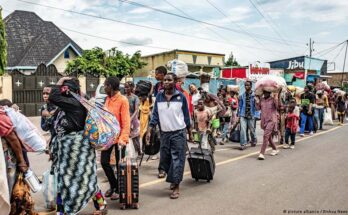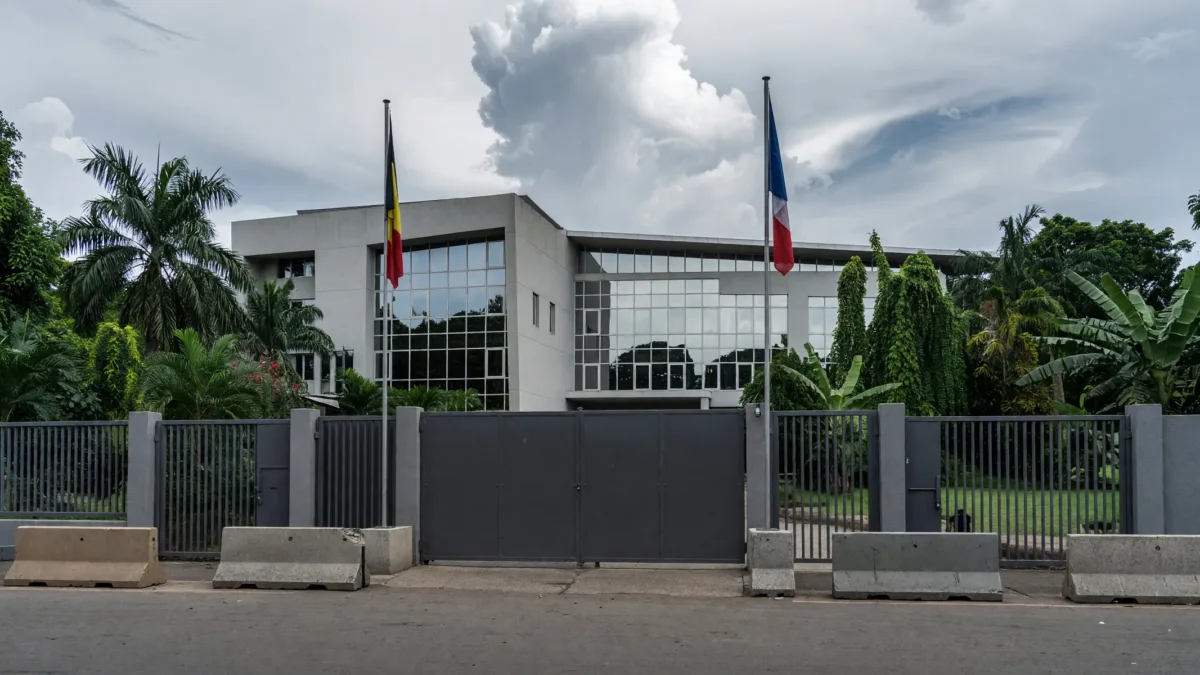
The embassies of Belgium and France in Kinshasa have jointly issued a security advisory urging their nationals in the Democratic Republic of Congo to minimize non-essential travel and avoid venturing outdoors on July 22, 2026. This precaution coincides with a planned opposition rally organized by the C64 coalition, which has drawn increased attention amid recent security concerns.
The warning follows months of escalating instability in the country, prompting multiple Western governments to revise their travel advisories for the Democratic Republic of Congo. Authorities cite heightened risks associated with public gatherings and ongoing political tensions between the government and opposition groups.
Belgium tightens travel restrictions over security threats
On July 16, 2026, Belgium’s foreign ministry formally discouraged all non-essential travel to the Democratic Republic of Congo. The decision was based on documented security incidents, including a violent protest targeting its embassy in Kinshasa in January 2025 and drone strikes near Kisangani airport in early 2026. These developments underscore the persistent volatility in the region, where political demonstrations frequently escalate into confrontations with authorities.
France and Canada join in raising travel alerts
France’s foreign ministry updated its advisory on July 14, 2026, advising against travel to the Democratic Republic of Congo due to both security risks and a recent Ebola outbreak. The warning aligns with measures adopted by Canada, which has imposed a 21-day quarantine for travelers arriving from the Democratic Republic of Congo as a public health precaution. This additional layer of restriction further complicates movement into and out of the country.
Diplomatic responses reflect deeper regional concerns
For French and Belgian citizens currently in the Democratic Republic of Congo, these advisories reflect a proactive approach to consular protection. Belgium, with its historical and economic ties to the country, maintains a strong diplomatic presence, making citizen safety a priority. France, too, has a significant expatriate community in Kinshasa, particularly in sectors such as humanitarian aid and development cooperation. Both nations regularly coordinate their security communications in high-risk areas across Central Africa.
The duration of these restrictions remains unspecified, though they are expected to be reassessed following the July 22 demonstration once local consular teams have evaluated the situation on the ground.