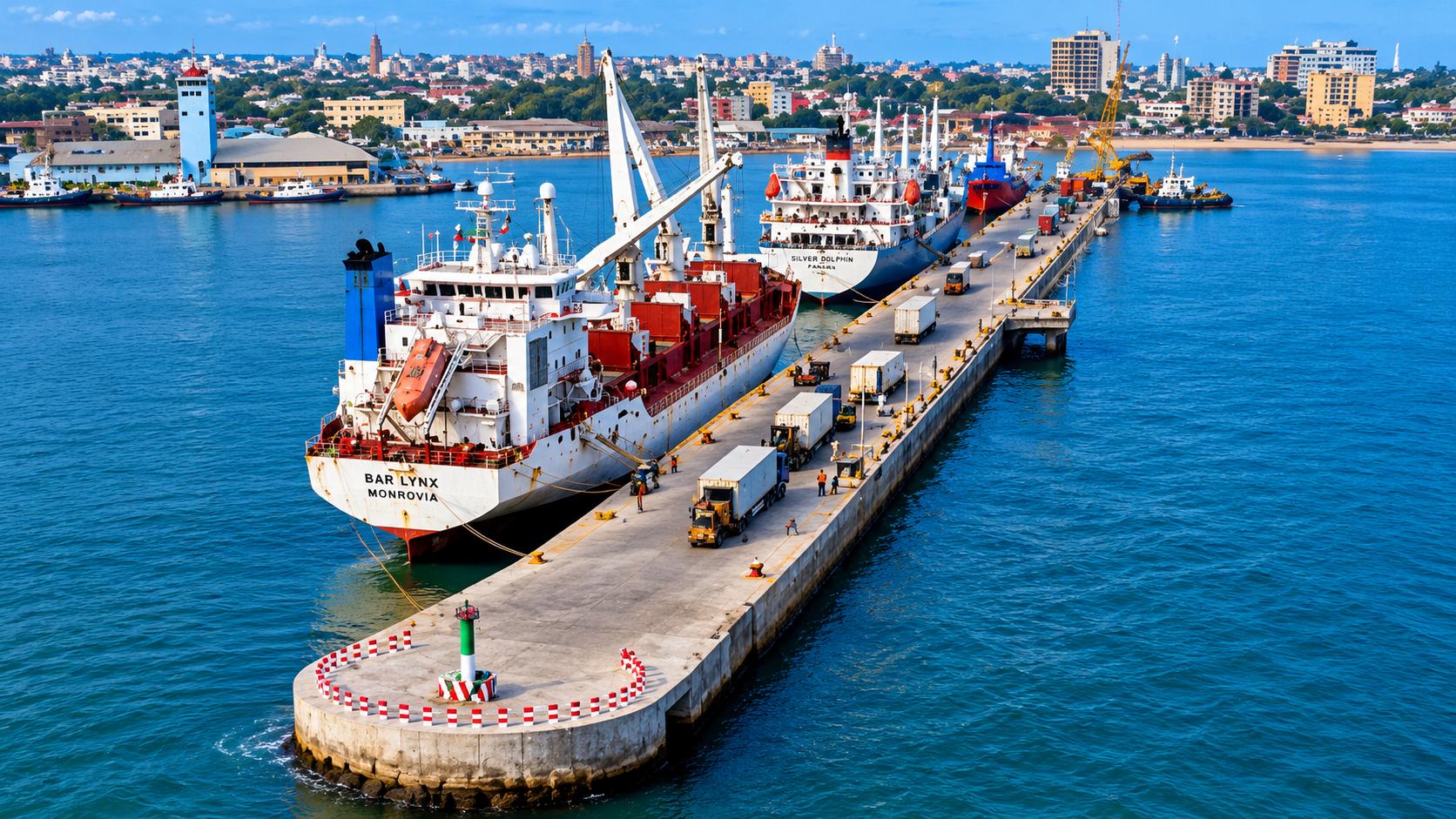
The implementation of the mutual recognition agreement under the Authorized Economic Operator (AEO) program is reshaping how Benin’s certified companies approach the Chinese market. This customs framework creates a dedicated channel for local businesses that meet strict compliance standards, giving them streamlined access to one of the world’s largest consumer markets. The move has sparked discussion among exporters, industry observers, and economic analysts about what it means for Benin’s trade trajectory and whether the benefits will extend beyond a select group of certified firms.
Why the AEO certification matters for Benin’s exporters
The AEO designation is granted by Benin’s customs authority to companies that demonstrate rigorous adherence to tax compliance, financial solvency, and supply chain security. It functions as a mark of reliability that is recognized across borders.
Under the mutual recognition arrangement signed with Chinese customs authorities, goods shipped by Benin’s AEO-certified operators receive preferential treatment upon arrival at Chinese ports. This translates into tangible advantages at every stage of the shipping process.
Key benefits at Chinese ports
- Fewer inspections: Physical and documentary checks at customs clearance are significantly reduced.
- Priority processing: Cargo moves faster through borders and gets precedence when supply chain disruptions occur.
- Lower logistics costs: Substantial time savings translate into reduced storage fees and container detention charges.
What this means for the Glo-Djigbé industrial zone
This opening comes as Benin intensifies its push for local processing of raw materials. Industrial units operating in the Glo-Djigbé Industrial Zone (GDIZ), which focus on transforming soybeans, cashews, cotton, and shea, now hold a significant comparative advantage in meeting Chinese demand.
By cutting through administrative bottlenecks at borders, both small and large AEO-certified Beninese companies can boost their competitiveness against international rivals. This strengthens Benin’s position as a dynamic logistics and industrial hub in West Africa.
Reactions and the road ahead
Exporters have largely welcomed the development, viewing it as a practical step that reduces friction and opens doors that were previously difficult to access. Some voices, however, question whether the benefits will be evenly distributed or if smaller players will struggle to meet the certification requirements.
Looking forward, the success of this arrangement will depend on how effectively Benin can expand its pool of certified operators and whether Chinese demand continues to align with the products its industries are geared to supply. The coming months will reveal whether this customs breakthrough lives up to its promise or remains a niche advantage for a limited few.
Comments are closed, but trackbacks and pingbacks are open.