The global youth uprising: education systems under pressure in 2026
2026 has become a tipping point as students across continents take to the streets, demanding systemic improvements to education systems collapsing under financial strain. From European universities to African campuses and Latin American lecture halls, the message is unmistakable: failing institutions are betraying a generation’s future.
The common thread linking these protests isn’t coordination but desperation. Rising tuition fees, crumbling infrastructure, and unpaid stipends have transformed classrooms into battlegrounds. Graduates now face unemployment or underemployment even with degrees, eroding trust in conventional pathways to success.
Europe’s education crisis sparks cross-border unrest
France: high school revolt exposes systemic failures
French high schools became flashpoints in mid-September 2026 as over 1,000 institutions faced strikes and blockades on October 1. Students targeted teacher shortages, overcrowded classes, and deteriorating school buildings, while also criticizing opaque university guidance systems that leave many adrift in career planning.
Security forces intervened as peaceful marches escalated into clashes, diverting attention from the core issues. The government’s dual strategy—police crackdowns and cosmetic policy tweaks—failed to address chronic underfunding that fuels this exodus from public education.
Italy, Albania, Greece and Belgium: diverse demands, shared frustration
Italy’s ‘no borders’ education battle
October 16 saw thousands in Milan, Rome and Turin protesting Giorgia Meloni’s education policies. Planned demonstrations against reduced funding for public schools morphed into criticism of government plans to segregate classrooms by nativity. Fireworks and projectiles turned some rallies into street battles, while police containment efforts further strained relations.
Albania’s financial apartheid
Tirana’s October 14 protests against soaring tuition fees and rampant corruption among education officials spiraled into arson attacks on banks and public buildings. Police used water cannons and tear gas to disperse crowds, while arrests escalated tensions. The crisis deepened when leaked documents suggested education ministry officials embezzled stipend funds.
Greece’s housing trap
October 21 brought Athens and Thessaloniki to a standstill as students, lecturers and public sector workers united for affordable student housing and free textbooks. With rents consuming 40% of family budgets in university cities, many students abandon studies midway. The movement’s slogan, ‘We learn, we starve,’ encapsulates the choice between education and survival.
Belgium’s budgetary betrayal
Francophone Belgian schools erupted on October 1, rejecting austerity measures that slash teacher positions and classroom resources. Students insist they’re not emulating Paris’s protests but fighting for local needs—smaller classes and vocational training aligned with regional job markets. However, sporadic violence and arrests have overshadowed these specific demands.
African campuses at boiling point
Senegal: when stipends mean survival
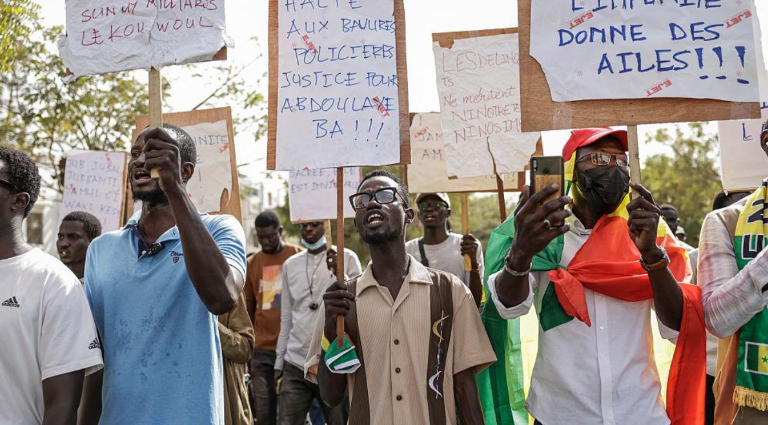
Cheikh-Anta-Diop University in Dakar became ground zero in February 2026 when months of unpaid stipends triggered mass protests. The death of Abdoulaye Ba during a campus march galvanized nationwide demonstrations, forcing the government to announce an inquiry and temporarily shut the university. With scholarships covering food and lodging for 60% of students, this crisis isn’t academic—it’s existential.
Kenya: collateral damage in a labor dispute
Nairobi University students faced suspended semesters in October after lecturers’ strikes over unpaid salaries. While not parties to the conflict, students bore the brunt of canceled exams and delayed graduations. The irony isn’t lost on campus: public university workers strike, leaving students stranded and futures suspended.
South Africa: debt locks out the next generation
Rhodes University protests in November 2026 targeted policies that require clearing tuition debt before re-enrollment in 2027. Thirteen students were arrested in a clash that exposed how financial barriers exclude bright minds from higher education. The university’s decision to waive restrictions for 2026’s finalists suggests authorities recognize the policy’s harsh impact.
Americas and Asia: beyond the classroom walls
Argentina’s university funding showdown
October 15’s federal university march brought Buenos Aires to a standstill, uniting students, professors and staff against budget cuts. Protesters demanded full implementation of the university funding law and higher wages to retain talent. The government’s refusal to negotiate risks turning academic institutions into battlegrounds between ideology and fiscal responsibility.
Indonesia’s economic contagion
June 12’s student protests in Jakarta and Surabaya fused economic grievances with political concerns. Demonstrators targeted fuel and food price hikes, while questioning military influence in civilian governance. The movement’s breadth signals how education failures intersect with broader systemic rot, forcing families to choose between books and meals.
Governments react: force, concessions, and half-measures
Across continents, authorities oscillate between repression and reactive policies. Some governments deploy riot police and criminalize dissent, while others announce emergency stipend payments or building repairs. Yet these measures often lack the depth needed to restore stability.
Portugal’s approach offers a cautionary tale: after violent clashes in Lisbon, the government pledged stipend transparency and teacher recruitment drives. However, three months later, only 30% of arrears were cleared, and classroom sizes remained unchanged. The lesson is clear: band-aid solutions won’t heal gaping wounds.
The way forward: rebuilding trust through action
The 2026 student uprisings reveal a crisis of faith in education as a ladder to prosperity. Governments must pivot from security theater to tangible reforms: regular stipend disbursements, infrastructure investments, wage hikes for educators, and debt relief for graduates.
The alternative is stark. When institutions fail to deliver on their promise of upward mobility, the next generation will seek other pathways—some legal, others not. The choice for leaders is binary: restore the social contract or watch it collapse under the weight of broken promises.
Comments are closed, but trackbacks and pingbacks are open.