African leaders push for fair nuclear energy partnerships at Kigali summit
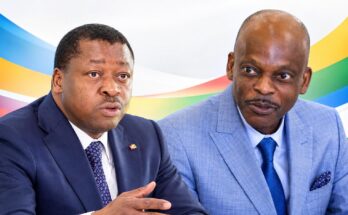
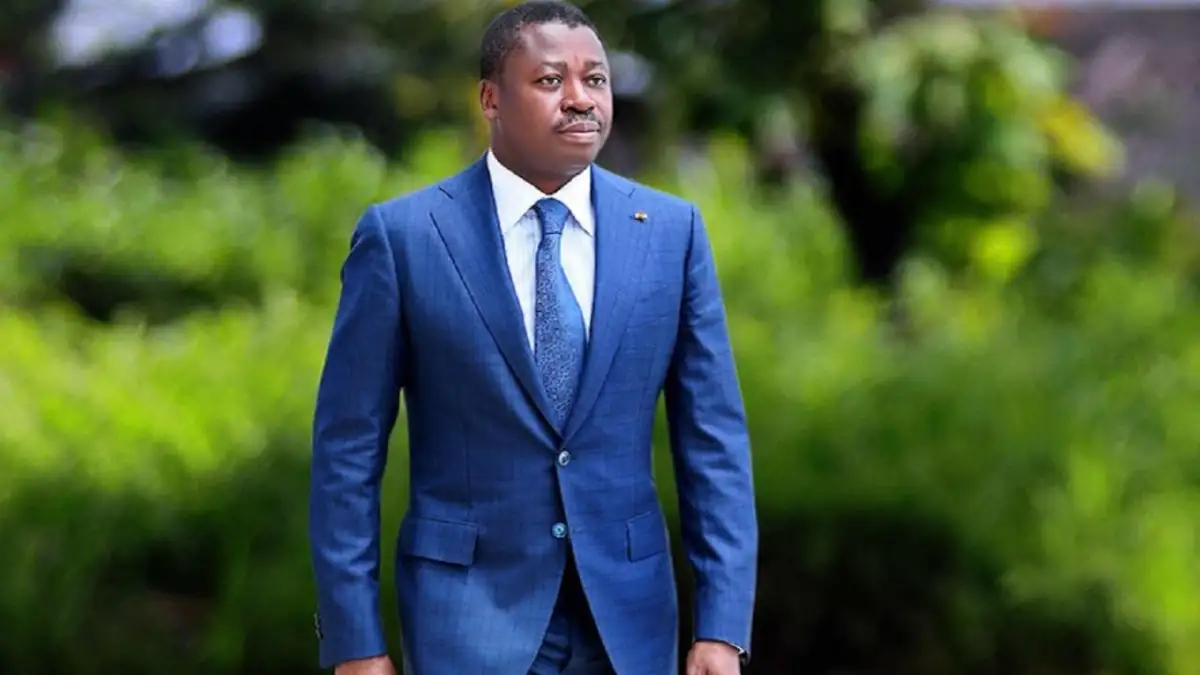
The Nuclear Energy Innovation Summit for Africa is in full swing in Kigali, the capital of Rwanda, drawing high-level African leaders. On May 19, Togolese President Faure Gnassingbé outlined his vision for nuclear energy in Africa, advocating for balanced collaborations between the continent and international energy stakeholders amid rising nuclear ambitions across Africa.
Addressing participants, the Togolese head of state emphasized the need to move beyond outdated aid-based technology transfers. « Africa is not seeking handouts of technology. Instead, we propose a partnership. We offer a market. We present a mature vision for our own energy future », he stated firmly.
African countries reassessing their role in civilian nuclear development
His remarks come as several African nations accelerate their civilian nuclear programs. For instance, Egypt is currently building the El Dabaa nuclear power plant with international technical and financial support. Meanwhile, South Africa remains the only African country with an operational nuclear infrastructure, home to the Koeberg power station.
According to the International Atomic Energy Agency, multiple African states are in talks with foreign partners to expand nuclear power generation, primarily to address surging energy demand and persistent electricity access deficits.
Faure Gnassingbé’s statements reflect a broader push among African leaders to reposition their nations in nuclear technology negotiations, shifting the focus toward mutually beneficial economic cooperation rather than dependency.
Untapped resources and persistent technology dependence
Africa holds substantial natural resources critical to the nuclear fuel cycle, including uranium. Countries like Niger and Namibia are key producers of this strategic mineral, essential for nuclear reactor fuel.
Despite these resources, African nations continue to rely heavily on foreign technology for designing, constructing, and managing nuclear facilities. Current programs depend largely on technical partnerships with advanced nuclear industries from other regions.
Training, regulation, and funding: the pillars of nuclear progress
Central to the summit’s discussions were the foundational requirements for implementing nuclear projects on the continent. Experts underscored the urgency of building human capacity, including specialized training for nuclear engineers and safety personnel. Establishing independent regulatory bodies is equally critical, serving as a prerequisite for developing civilian nuclear infrastructure.
The financial scale of these projects—often spanning billions of dollars over decades—remains a significant hurdle for African governments. Moving forward, key milestones include finalizing cooperation agreements announced at the summit and launching national nuclear development programs in multiple countries.