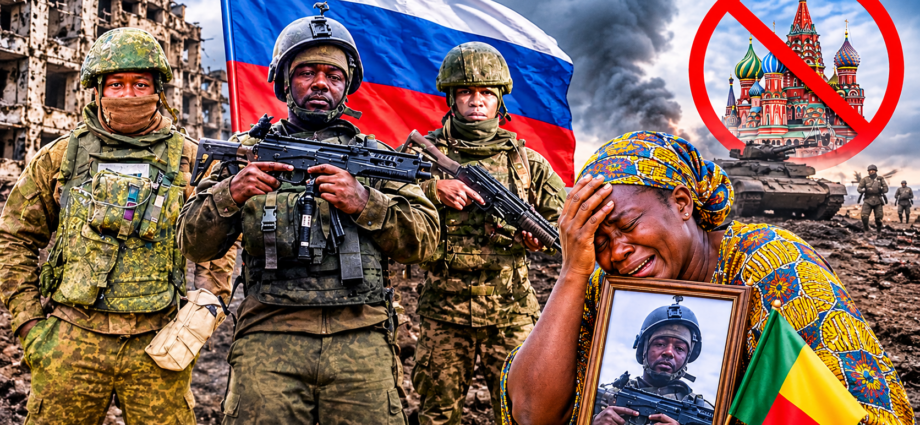
The tragic death of a Beninese student at the frontlines in Ukraine has exposed serious risks faced by African youths pursuing education in Russia. While many see studying abroad as an opportunity for advancement, the ongoing conflict has created unforeseen dangers that demand urgent attention.
From academic pursuits to military frontlines: a shattered dream
The promise of quality education, professional opportunities, and international exposure motivates numerous African students to pursue studies in Russia. However, the war in Ukraine has introduced a grim reality some foreign students, including Africans, have allegedly been recruited into military service under questionable circumstances.
The circumstances surrounding the Beninese student’s death raise critical questions: Was his academic pursuit his true intention, or was he coerced into military involvement? Establishing the facts requires thorough investigation into his recruitment process, contractual obligations, and the nature of his engagement.
The allure of Russian education and the hidden costs
Russian universities have long attracted African students, particularly in technical and scientific fields, due to affordable tuition and scholarship opportunities. Yet, the ongoing war has transformed these academic pathways into potential recruitment channels for military service.
Some students, facing financial strain or administrative hurdles, may find themselves vulnerable to offers that blur the line between legitimate employment and military obligations. Without clear contractual terms or legal recourse, these individuals risk becoming pawns in a conflict they never sought to join.
Vulnerabilities: a breeding ground for exploitation
African students in Russia often operate in precarious conditions isolated from their support networks, financially dependent, and reliant on intermediaries for housing, visas, and employment. These circumstances create an environment where coercion or misinformation can thrive.
Promises of financial stability, simplified procedures, or lucrative job placements may mask the true nature of their obligations. Once entangled in military service, these students face severe consequences, including death, injury, or captivity fates no academic pursuit should entail.
Protection and accountability: a shared responsibility
Protecting African students requires a multi-layered approach. Governments must strengthen consular support, ensuring students are informed of their rights and the risks associated with studying abroad. Families, too, must exercise due diligence, verifying university credentials, visa conditions, and employment contracts before permitting travel.
Educational institutions in Russia must also uphold ethical standards, ensuring their recruitment processes are transparent and free from coerced military involvement. Any affiliation with military recruitment, whether direct or indirect, must be disclosed to prospective students.
No education pursuit justifies military exposure
The death of the Beninese student serves as a stark warning: academic ambitions must never override safety or ethical considerations. The promise of a better future cannot come at the cost of life or limb in an uncharted conflict.
For African youths considering studies in Russia, vigilance is paramount. Clarity in contracts, legal safeguards, and consular backing are non-negotiable. The tragic loss of this student must catalyze systemic changes ensuring no other family endures a similar fate.
By AMINATA KABORE — Journalist
Comments are closed, but trackbacks and pingbacks are open.