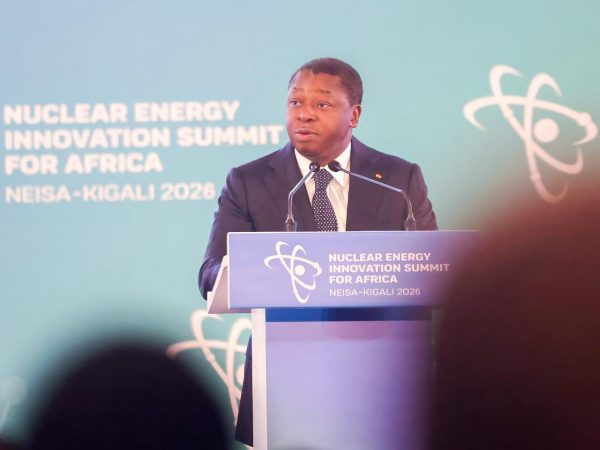
Kigali, May 20, 2026 — The sleek halls of the Kigali Convention Centre buzzed with urgency as energy crises and industrial ambitions collided. On May 19, heads of state, nuclear energy experts, investors, and international partners gathered for the second edition of the Nuclear Energy Innovation Summit for Africa (NEISA 2026), a gathering that underscores the continent’s growing determination to reshape its energy destiny.
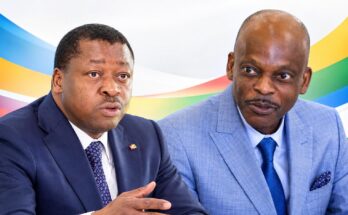
Among the prominent figures present, Faure Essozimna Gnassingbé delivered Togo’s stance with a clear message: Africa can no longer settle for managing today’s energy shortages; it must now invest in technologies that will power tomorrow’s economic transformation.
In his address, the Togolese leader emphasized that African nations must prepare for the demands of industrialization, population growth, and the rise of digital economies. Behind the summit’s diplomatic and technical exchanges lies a shared continental conviction: without stable, affordable, and sustainable energy, Africa’s industrial ambitions risk stagnation.
Nuclear energy emerges as Africa’s bold energy frontier
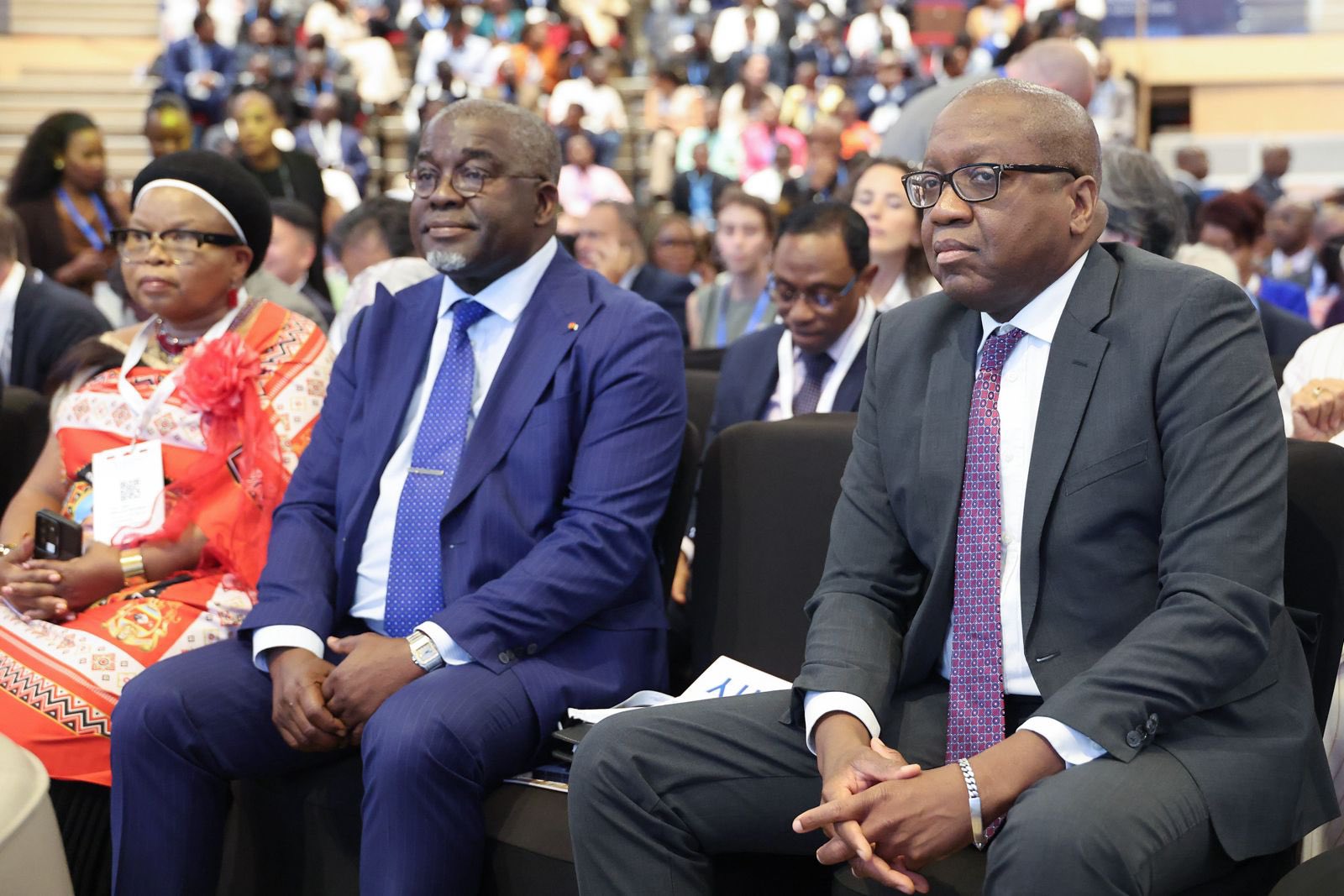
At NEISA 2026, civil nuclear energy took center stage. Once seen as out of reach for many African nations due to prohibitive costs and technical hurdles, the sector is now regaining prominence in continental energy strategies.
Delegates agreed that the conversation has shifted beyond mere electricity generation. Today, nuclear energy represents a strategic pillar for sovereignty, industrial competitiveness, and energy security. In this evolving landscape, Togo champions a vision rooted in innovative partnerships, energy diversification, and strengthened regional cooperation.
Togo’s strategy: cooperation, innovation, and long-term vision
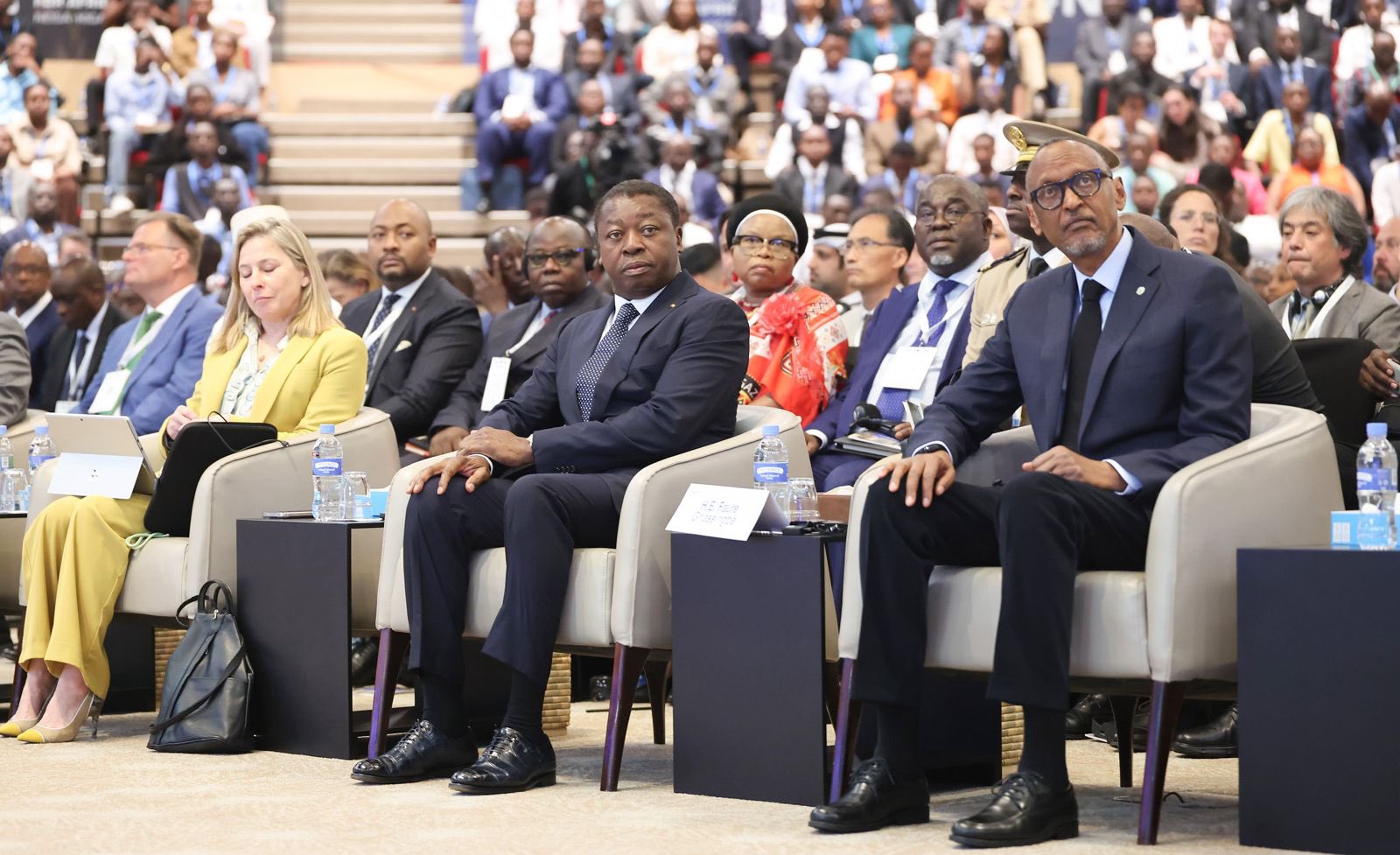
Faure Essozimna Gnassingbé’s intervention in Kigali reflects a broader agenda: positioning energy access as a catalyst for economic transformation. Togo is actively pursuing international collaborations that bring technical expertise, financing, and technological innovation to the table.
The summit’s discussions also explored critical areas such as energy infrastructure, smart grids, financing for energy transitions, and local skills development. These priorities are especially vital for African economies facing rapidly growing energy demand amid technological shifts.
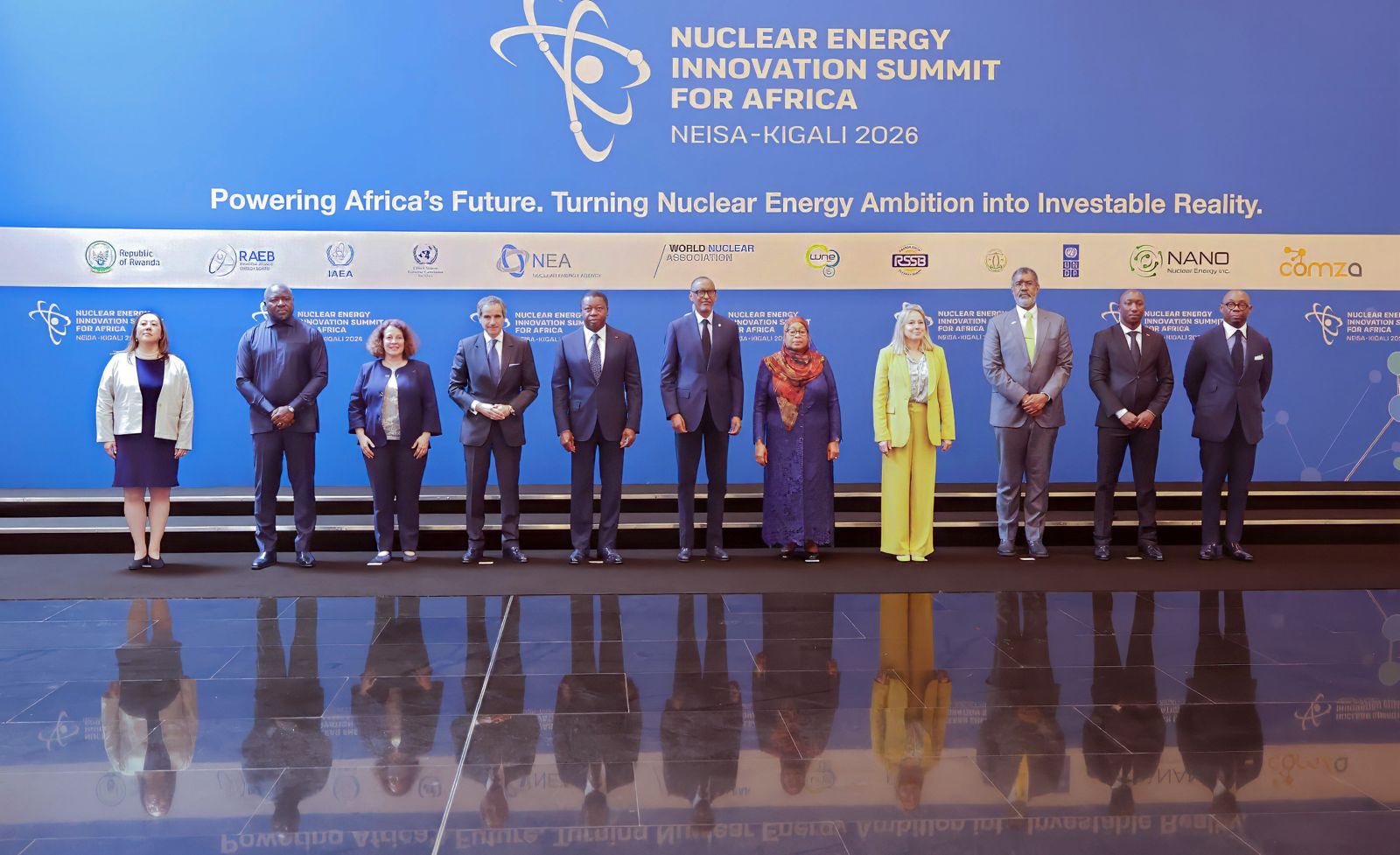
Kigali: a continental call to action on energy sovereignty
Throughout the NEISA 2026 sessions, the focus was on foresight. Leaders emphasized the need to invest in long-term solutions that can anchor Africa’s competitiveness in a rapidly changing global landscape.
Togo used the platform to signal its commitment to this continental movement. By advocating for stronger African cooperation, energy autonomy, and openness to innovation, the summit highlighted a pivotal shift: Africa is increasingly taking charge of defining the foundations of its own energy sovereignty.