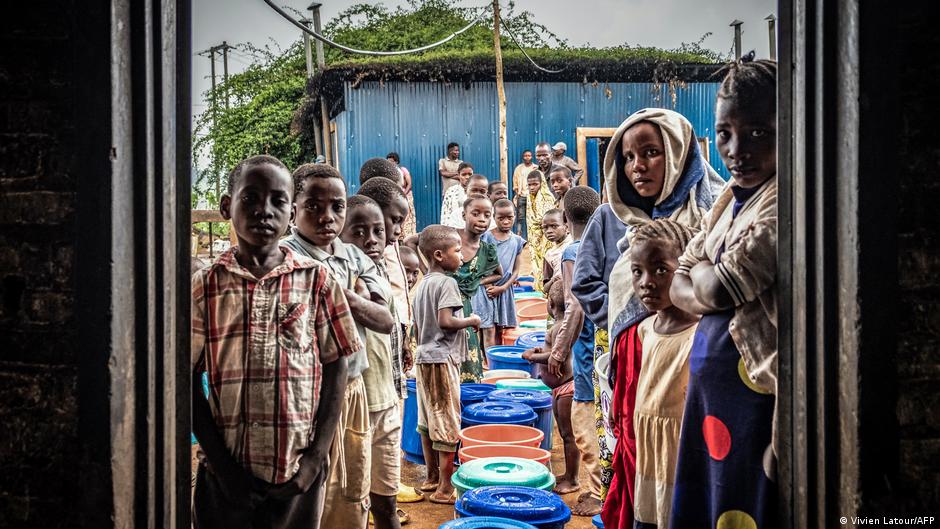
The eastern regions of the Democratic Republic of the Congo (DRC) remain trapped in a cycle of escalating violence, where civilians bear the brunt of repeated violations of international humanitarian law. Despite repeated pledges from authorities and international partners, the protection of non-combatants continues to erode in conflict zones across North Kivu, South Kivu, Ituri, and Tanganyika provinces.
Humanitarian law under siege: the forgotten rules of war
In war zones where armed factions proliferate, the principles of international humanitarian law—designed to shield civilians from harm—are either ignored or systematically violated. The International Committee of the Red Cross (ICRC) has intensified calls for stricter adherence to these rules, emphasizing that ignorance and disregard of the law only deepen the suffering of local populations.
Human rights advocate Julienne Lusenge paints a grim picture of the situation, highlighting the staggering toll of sexual violence. “Millions of cases go unrecorded, with women, girls, and even children—though men are also targeted—facing relentless brutality every minute,” she explains. She stresses the urgent need for global accountability, noting that no international case has yet resulted in meaningful justice for survivors of sexual violence in conflict zones.
“We must move beyond rhetoric and enforce international sanctions against perpetrators of these crimes,” she urges, calling for a coordinated response to end impunity.
Military justice as a deterrent against abuse
While the proliferation of over 200 armed groups complicates efforts to restore order, military tribunals in the DRC have taken steps to prosecute soldiers accused of human rights abuses. General Jean-Paul Tshayikolo, a military magistrate at the High Military Court, asserts that these legal proceedings serve a dual purpose: punishing wrongdoers and educating the broader military community.
“No system is flawless, and bad actors will always exist,” he acknowledges. “Yet our justice system ensures that those who violate the law face consequences, and their sentences serve as a warning to others.” He points to documented cases where military courts have delivered verdicts, reinforcing the message that violations will not go unpunished.
Fractured alliances and the challenge of justice
The fluid nature of alliances among armed groups in eastern DRC presents a major obstacle to identifying responsible parties and enforcing accountability. These shifting dynamics obscure the lines between combatants and civilians, making it increasingly difficult to apply the protections outlined in international humanitarian law.
As the conflict persists, civilians remain caught in the crossfire, their safety hanging in the balance. The absence of clear distinctions on the ground, coupled with the fragmentation of armed factions, only exacerbates the challenges of delivering justice and upholding humanitarian standards.