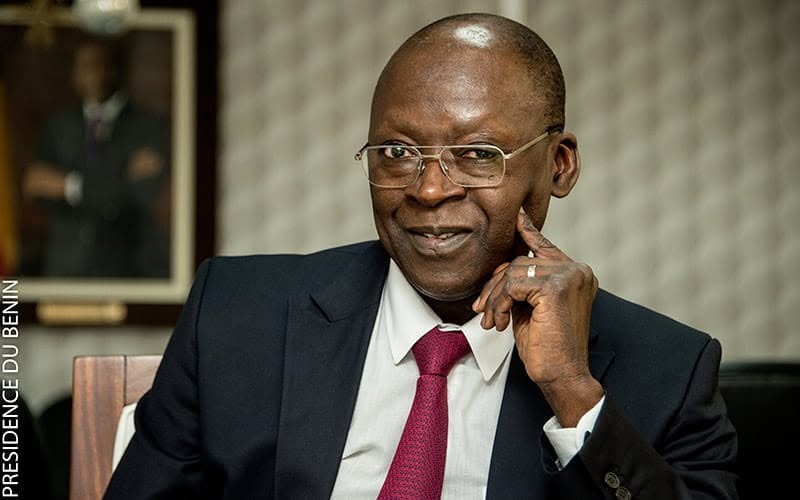
The three-day gathering of the Union of Economic and Social Councils and Similar Institutions of La Francophonie (UCESIF) in Bucharest has ended, and the fallout is already reshaping conversations in Benin and across the francophone world. From 28 to 30 September 2026, a delegation led by Abdoulaye Bio Tchané, president of Benin’s Economic and Social Council (CES), took part in the bureau and general assembly sessions at the Romanian Parliament Palace. The mission has sparked public debate about what Benin’s active engagement in francophone consultative diplomacy really delivers — and where it goes from here.
Why the Bucharest mission matters beyond the summit room
The Bucharest assembly was not just another diplomatic outing. Delegations from across the francophone space tackled pressing questions: how to modernise social dialogue, make participatory governance more effective, and build economic resilience in a volatile global environment. For Benin, the stakes are direct. The CES under its eighth mandate has made international outreach a cornerstone of its work, and Bio Tchané’s presence in Bucharest was a concrete expression of that ambition.
Observers in Cotonou and beyond are now asking what the trip will change at home. The decisions taken in Bucharest — from budget approvals to joint work plans — are expected to filter into national policies on employment, youth inclusion and consultative democracy. That prospect has fuelled a wider debate about how Benin can turn its diplomatic visibility into tangible gains for citizens.
The delegation’s agenda: what was on the table
Over the three days, the Beninese team focused on several core areas, each with potential long-term consequences:
- Budget and administrative validation: Reviewing activity reports, assessing financial management and setting the operational roadmap for UCESIF in the coming years.
- Strengthening francophone partnership: Building closer synergies among member institutions so that citizen consultations can feed directly into national public policies.
- Bilateral cooperation: Side meetings with counterparts from African and European economic and social councils to exchange experience on economic inclusion and social dialogue.
These sessions were not merely procedural. They laid the groundwork for commitments that will shape how UCESIF members cooperate — and how Benin positions itself within that network.
Reactions: a diplomatic win or a missed opportunity?
The mission has drawn a mix of praise and scrutiny. Supporters argue that Bio Tchané’s active role reinforces Benin’s standing as a serious player in francophone governance and opens doors for bilateral partnerships. They point to the side meetings with African and European counterparts as evidence that Benin is building a network of like-minded institutions.
Critics, meanwhile, question whether high-level participation translates into concrete benefits. They want to see how the resolutions adopted in Bucharest will be implemented nationally — particularly on youth employment and social protection, areas where expectations are high. The debate reflects a broader tension in Benin’s foreign policy: the desire for international influence versus the demand for measurable domestic results.
What is clear is that the Bucharest assembly has injected new energy into the conversation about consultative democracy. By taking the floor in Bucharest, Bio Tchané has kept Benin’s proposals on the francophone agenda and forced a public discussion about the role of advisory assemblies in stabilising economies and societies.
What comes next for Benin and UCESIF
The conclusions and resolutions adopted at the end of the Bucharest sessions will serve as the foundation for UCESIF’s joint actions in the months ahead. For Benin, the next step is to translate the momentum into national initiatives. The CES is expected to draw on the models and best practices shared by other member institutions, adapting them to local realities.
The broader outlook is one of cautious optimism. Benin has made its voice heard at a critical moment for francophone social dialogue. Whether that voice leads to lasting change will depend on follow-through — both within UCESIF and on the home front. As the dust settles, all eyes will be on how the Bucharest outcomes are put into practice and whether Benin’s bet on consultative diplomacy pays off for its citizens.
Comments are closed, but trackbacks and pingbacks are open.