Albert Pahimi Padacké calls for an end to excessive centralization in Chad
During a high-profile debate, Albert Pahimi Padacké pointed out the flaws in the current governance model, urging for reforms that would grant provincial councils genuine autonomy and dismantle the central state’s resistance to change.

The current senator and former Prime Minister led a significant conference-debate on Friday, May 29, 2026, focusing on the vital role of provincial councils. While highlighting the advantages of local governance, the leader of the RNDT-Le Réveil party criticized the rigidity of a central government that is struggling to relinquish its control.
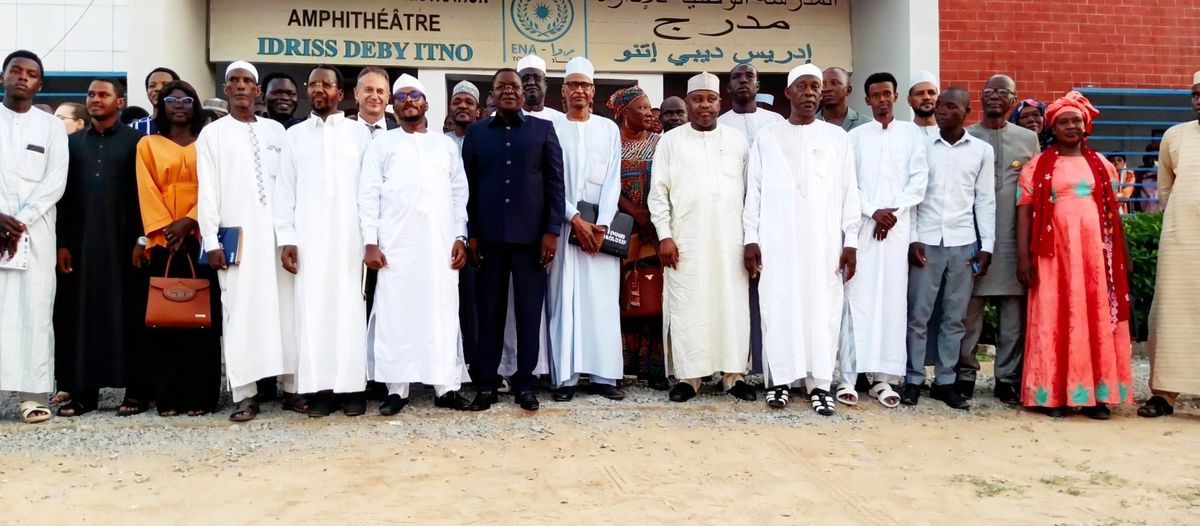
The Idriss Déby Itno amphitheater at the National School of Administration (ENA) was packed with political figures, students, and senior officials. They gathered to hear Albert Pahimi Padacké, a prominent figure in the political landscape of Chad, discuss a topic central to the nation’s institutional restructuring: the impact of decentralization on development through provincial councils.
For over two hours, the senator provided a detailed analysis, blending technical expertise with political transparency. Although Chad has officially committed to regionalization, Padacké argued that the actual implementation remains far behind the stated goals.
The theoretical benefits of local development
The speaker began by outlining the clear advantages of decentralization. He described it as the primary tool for bringing the administration closer to the people, encouraging local initiatives, and ensuring a fairer distribution of national wealth. Through the lens of provincial councils, Padacké illustrated how autonomous management could more effectively and rapidly address social needs, such as healthcare, education, and basic infrastructure.
He maintained that the progress of Chad cannot be balanced if every minor decision must still be approved by ministries in the capital.
The barrier of vertical centralization
The senator’s diagnosis highlighted a paradox: the existence of a legal framework for decentralization clashing with a deeply centralized practice. Padacké spoke at length about what he calls the “resistance of the state’s vertical centrality.”
According to the RNDT-Le Réveil leader, the central administration is putting up a quiet but firm resistance against the transfer of authority and, more importantly, financial resources. As a result, provincial councils are established but lack the actual means to implement their policies, remaining under the suffocating control of a central power unwilling to give up its historical privileges. He noted that decentralization without financial independence is merely an administrative illusion.
A call for a real transfer of authority
In response to these challenges, the conference evolved into a call for decisive reform. Padacké urged for a collective awakening and strong political will to break the vertical structure paralyzing the provinces. To spark a real development dynamic, he encouraged the state to trust local elected officials and transform provincial councils into independent economic drivers rather than simple extensions of the central government.
The engaging discussion with the audience, including future high-ranking civil servants, confirmed that the issue of local governance remains one of the most anticipated and sensitive aspects of the institutional future of Chad.