Democratic republic of Congo political dialogue: a path to stability
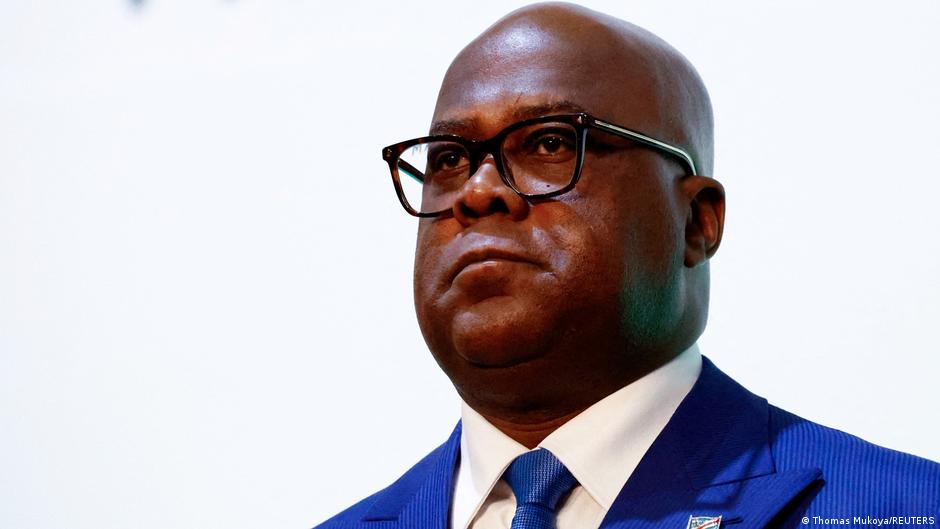
The President of the Democratic Republic of Congo, Félix Tshisekedi, has taken a decisive step toward national reconciliation by endorsing the launch of an inclusive, peaceful, and constitutional political dialogue. This landmark decision was announced following a pivotal meeting with the country’s religious leaders on July 17, 2026. The proposed dialogue aims to address the most pressing challenges facing the nation.
The upcoming discussions will focus on several critical areas:
- Security challenges in the eastern regions, where armed groups continue to disrupt peace and stability;
- Political tensions that threaten national unity and democratic progress;
- Governance reforms to enhance transparency and accountability;
- Socioeconomic hardships affecting millions of citizens;
- Institutional reforms necessary to strengthen peace and democratic governance.
While the initiative has been welcomed, key details remain under discussion:
- Final date for the dialogue – yet to be confirmed;
- Participants – who will be invited to represent various political and social sectors;
- Agenda – specific topics to be prioritized;
- Organizational framework – expected to be outlined in a presidential decree.
Why this dialogue now?
The timing of this initiative reflects growing pressure from multiple fronts. Civil society organizations, religious groups, and opposition coalitions have long advocated for a structured national conversation to resolve deep-rooted conflicts. The crisis in the eastern DRC, marked by persistent violence and humanitarian suffering, has further intensified calls for action.
The dialogue is seen as a strategic move to:
- Restore national cohesion and trust in public institutions;
- Address the security vacuum in provinces like North Kivu and South Kivu;
- Create a more inclusive political environment;
- Ensure all stakeholders, within the bounds of the Constitution, contribute to shaping the nation’s future.
In a significant gesture, the main opposition coalition announced the postponement of a planned protest in Kinshasa scheduled for July 22, 2026, in response to the president’s announcement. However, they have set a firm deadline: if the dialogue is not officially convened by August 15, 2026, they reserve the right to resume public mobilizations.
This dialogue represents a shift in the government’s approach, signaling openness to negotiation and compromise. It comes after more than a year of persistent demands from various sectors, including faith-based organizations and civil society groups, for a structured platform to address governance and security issues.
To explore the perspectives surrounding this initiative, Eric Topona hosted a panel of distinguished analysts:
- Bob Kabamba, Political Science Professor at the University of Liège, Belgium;
- Martin Ziguélé, Former Prime Minister of the Central African Republic and President of the Central African People’s Liberation Movement (MLPC);
- Trésor Kibangula, Political Director of Ebuteli, a leading Congolese research institute based in Kinshasa and Goma, specializing in governance, politics, and conflict dynamics.
Listen to the full discussion and gain deeper insight into the potential impact of this historic dialogue.