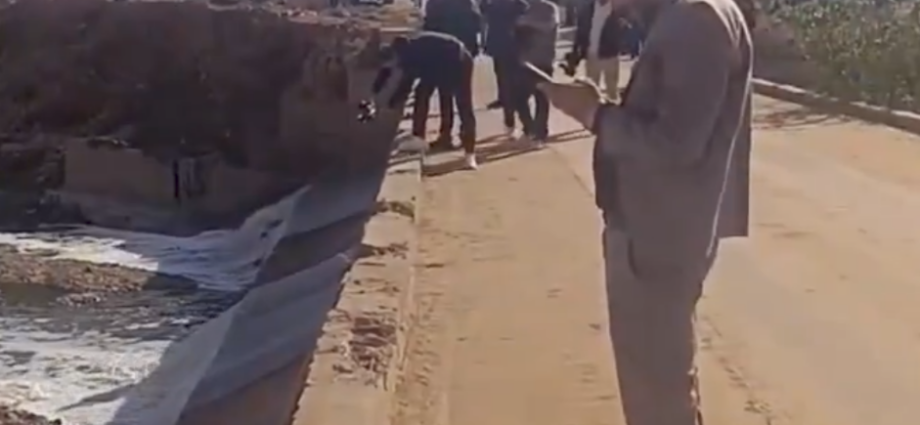
Algeria has escalated a growing environmental dispute with Morocco by accusing its neighbor of causing severe pollution in the Oued Mouilah river, a vital water source for Algeria’s Tlemcen region. Authorities in Algiers allege that industrial and domestic wastewater originating from Moroccan territory is contaminating the river, which flows into Algeria via the Oued Isly. The allegations, if confirmed, could trigger a diplomatic and legal confrontation over shared water resources in North Africa.
Water contamination threatens key infrastructure
The pollution of Oued Mouilah has raised alarm due to its impact on the Hammam Bougara dam, a critical water supply for multiple municipalities in western Algeria. Laboratory analyses conducted by Algerian officials have detected elevated levels of nitrites, heavy metals, pharmaceutical residues, and other hazardous substances. These findings highlight risks to local ecosystems, drinking water safety, and public health, prompting urgent intervention from Algerian authorities.
Health and environmental risks under scrutiny
Public health officials warn that prolonged exposure to contaminated water could lead to long-term health complications, including gastrointestinal illnesses and potential contamination of agricultural produce irrigated by the river. Treatment costs for water derived from Hammam Bougara are projected to rise significantly, placing additional pressure on local water management systems already strained by climate-induced droughts.
Morocco denies responsibility while Algeria prepares legal action
Morocco has not formally responded to Algeria’s accusations, leaving the source of the pollution unconfirmed. Algerian officials insist on the need for a scientific investigation involving independent laboratories and shared data transparency to trace pollutants back to their origin. Without irrefutable evidence, the case risks becoming another political bargaining chip rather than an environmental resolution.
Diplomatic escalation looms over water resources
The dispute over Oued Mouilah arrives amid a broader deterioration in Algeria-Morocco relations, which have been at a low point since diplomatic ties were severed in 2021. Water has emerged as a new flashpoint in a region grappling with severe water scarcity and climate change. Algerian lawmakers and environmental advocates have called for international mediation, invoking shared responsibilities under international water treaties that govern transboundary river pollution.
International law as a potential recourse
Algeria has not ruled out pursuing legal action through international bodies, citing the United Nations Watercourses Convention and other frameworks that obligate riparian states to prevent environmental harm across borders. However, launching a formal complaint requires robust proof linking Moroccan activities to the contamination, a process that could take months or longer. Until then, the dispute remains a diplomatic standoff with environmental consequences.
Shared water, shared responsibility
Regardless of geopolitical tensions, the priority remains protecting lives and natural resources. Scientists emphasize the need for a collaborative approach involving hydrological monitoring, toxicological assessments, and transparent data sharing between both countries. Cross-border water management demands cooperation, not confrontation—especially in a region where water stress is becoming increasingly acute.
The Oued Mouilah controversy underscores a harsh reality: water does not respect borders. Whether it becomes a catalyst for deeper conflict or a catalyst for cooperation may define future relations between Algeria and Morocco—and the stability of North Africa’s water security.
Comments are closed, but trackbacks and pingbacks are open.