Mali and Niger have once again pointed fingers at Algeria, accusing it of fueling terrorism in the Sahel region by harboring and indirectly supporting armed groups operating south of its borders. While officials from Bamako and Niamey refrained from explicitly naming Algiers during a recent regional security forum in Dakar, their remarks mirrored prior allegations from Malian leaders, who claim Algeria serves as a strategic rear base for terrorists and separatists active in northern Mali.
Algeria’s alleged ties to Sahel militant networks
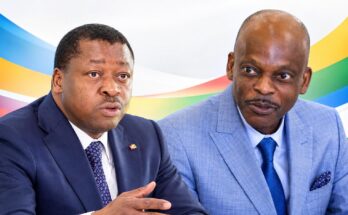
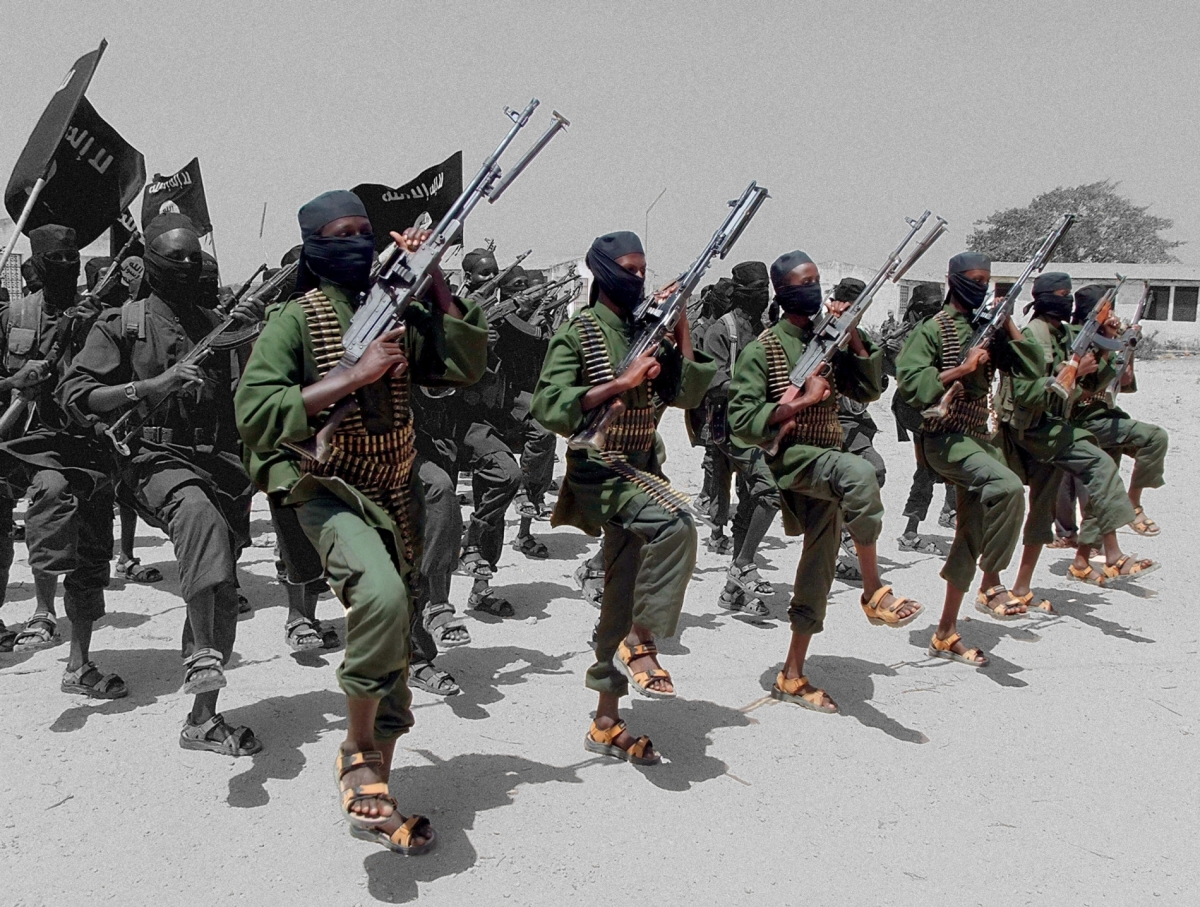
Foreign Minister Abdoulaye Diop of Mali emphasized the gravity of the situation in a statement to Reuters, declaring: “Certain neighboring countries are now providing sanctuary to terrorist factions, supplying them with resources, or even hosting hostile forces that launch attacks against our nation.” Security experts trace the origins of today’s Sahel insurgency to Algeria’s brutal 1990s civil conflict, during which militant factions either regrouped or fled southward. Prominent groups like al-Qaeda in the Islamic Maghreb (AQIM) trace their roots to Algeria’s Salafist Group for Preaching and Combat (GSPC), itself a descendant of the Armed Islamic Group that waged war against Algiers during the so-called “Black Decade.” For years, these factions were led by Algerian operatives who relocated their operations to Mali and the broader Sahara under military pressure in Algeria.
Whispers of collusion between Algerian intelligence services and Sahel-based militants have persisted for years. Mali has taken its grievances to the international stage, condemning Algeria’s alleged support for terrorism in formal diplomatic channels, including at the United Nations. Relations between Bamako and Algiers soured significantly in 2023, with northern Mali emerging as the epicenter of the dispute. Malian authorities argue that porous borders and Algeria’s lenient approach toward militants operating along its southern frontier have emboldened insurgent groups.
escalating accusations and diplomatic fallout
In September 2023, Mali’s Prime Minister Abdoulaye Maïga delivered a scathing address at the United Nations General Assembly, accusing Algeria of shifting from a counterterrorism ally to what he termed an “exporter of terrorism” to the Sahel. Tensions peaked in March 2024 when Algerian forces intercepted a Malian military drone near the shared border, an action Bamako condemned as an intentional move to shield terrorist leaders targeted by Malian operations.
In retaliation, Mali, Niger, and Burkina Faso jointly withdrew their ambassadors from Algiers and issued a joint statement accusing Algeria of backing terrorist networks. Niger, a long-standing ally of Mali, fully endorsed Bamako’s stance, with Niamey’s military leadership under General Abdourahamane Tiani vocally criticizing Algeria’s alleged sponsorship of attacks in the region. Nigerien authorities have repeatedly condemned what they describe as foreign-backed terrorism, further solidifying their alignment with Mali against Algiers.
a growing divide in west african security
The ongoing feud over Algeria’s role in the Sahel underscores a deeper rift in West African security dynamics. Military governments in the region argue that terrorism cannot be eradicated as long as neighboring states continue to adopt what they perceive as accommodating or destabilizing policies. As accusations fly and diplomatic relations fray, the Sahel’s security landscape remains precariously balanced, with regional leaders increasingly viewing Algiers as a disruptive force in their fight against insurgency.