From self-sufficiency promises to foreign aid reliance
The Burkina Faso transitional government, led by Captain Ibrahim Traoré, continues to champion its vision of national sovereignty while relying heavily on external rice donations to address a worsening food crisis. Recent shipments from Pakistan, China, and Canada highlight the stark contrast between official declarations and ground realities, where over 3.5 million Burkinabè citizens face daily food insecurity.
A widening gap between rhetoric and reality
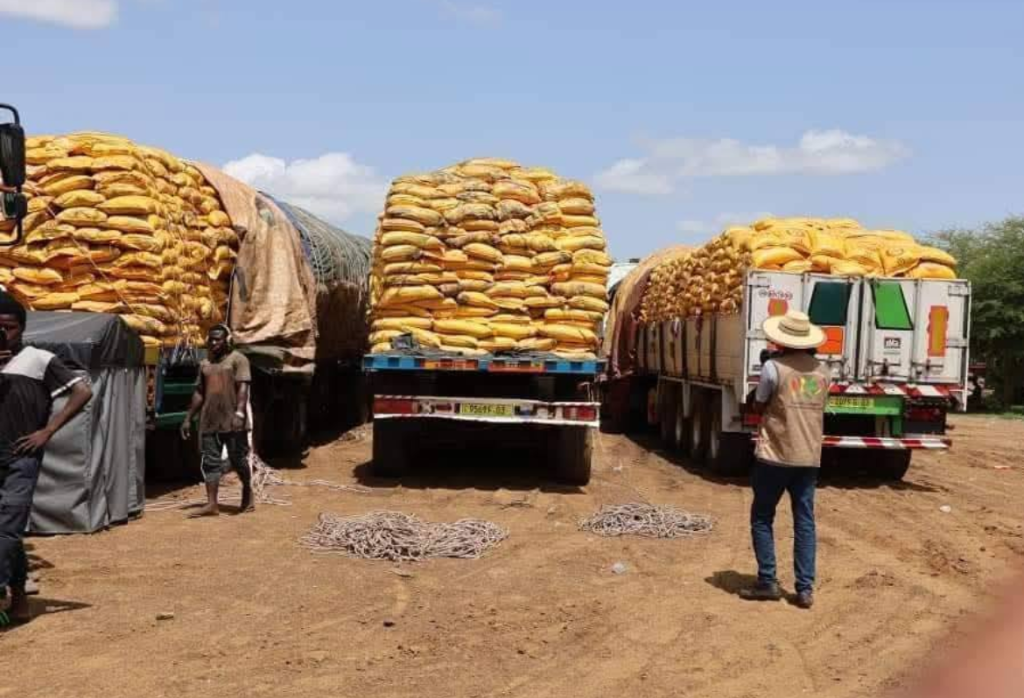
The latest 2,422-ton rice donation from Pakistan arrives as the latest in a series of humanitarian lifelines, following similar contributions from Beijing and Ottawa. While the junta frames these gestures as diplomatic triumphs, they inadvertently expose the administration’s failure to stabilize food production more than three years after the Patriotic Movement for Safeguarding and Restoration (MPSR) assumed power.
The numbers tell a grim story: Burkina Faso’s agricultural output remains insufficient to meet domestic needs, forcing the nation into a precarious cycle of dependency on foreign aid. The donated rice is primarily earmarked for northern and eastern regions—areas still grappling with armed conflict and severed from normal commercial networks.
Insecurity deepens food insecurity
The junta attributes the crisis to climate change, yet analysts increasingly attribute structural failures to poor governance. A heavy-handed military approach, including blockades of rural areas by armed groups, has crippled agricultural activity. Over 2 million internally displaced persons now roam the country, leaving once-fertile farmlands abandoned. According to the Integrated Food Security Phase Classification (IPC), parts of Burkina Faso hover near Phase 4 (humanitarian emergency), with projections indicating acute malnutrition threatening over 600,000 children by year-end.
The humanitarian response faces further obstacles due to opaque aid distribution systems. International donors express growing unease over Burkina Faso’s militarized crisis management and strained relations with aid organizations. The 2026 Humanitarian Response Plan remains only 18% funded, signaling eroding trust among global partners in Ouagadougou’s leadership.
A fleeting reprieve before the rainy season
As Burkina Faso braces for the rainy season, the Pakistani rice shipment offers temporary relief to a weary population. Yet for Ibrahim Traaré, accountability looms large. True sovereignty, critics argue, cannot be declared on national television; it must be built through secure agricultural fields, a goal his administration has yet to achieve. Without shifting priorities from war rhetoric to rural economic revival, a sustainable solution remains distant for a nation teetering on the edge of collapse.