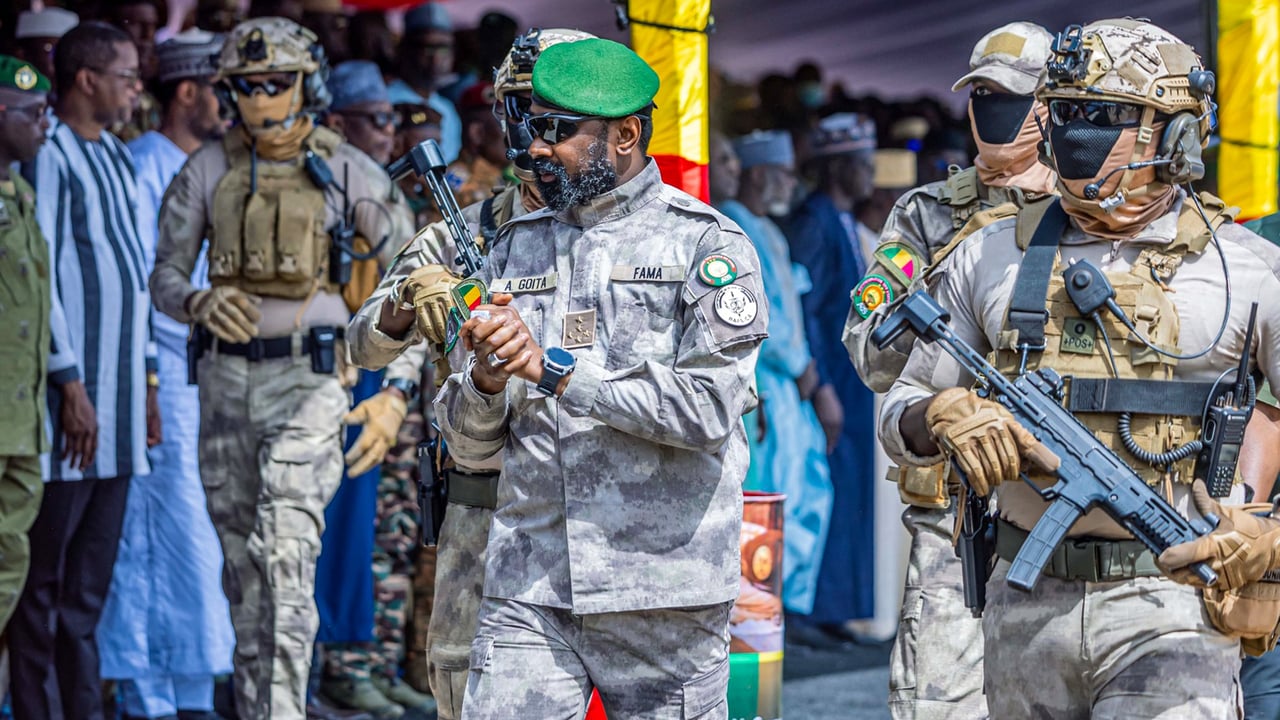

Mali’s transitional leader tightens grip on power following april 25 crisis
The events of April 25 left an indelible mark on Mali’s political landscape, reshaping the balance of power in Bamako. Within days, Assimi Goïta, head of the transitional government, moved swiftly to reassert control, leveraging both military and institutional mechanisms to solidify his authority.
Observers noted a series of strategic maneuvers that followed the attacks, including reshuffles within key security circles and a tightening of the government’s operational framework. These steps were not merely reactive but part of a broader effort to centralize decision-making under his leadership.
Key institutional shifts after the april 25 attacks
In the aftermath of the attacks, the transitional authorities announced a series of reforms aimed at reinforcing national security and governance. Assimi Goïta’s administration introduced new directives to streamline emergency response protocols, particularly in high-risk zones near the capital.
- Security restructuring: A reorganization of the armed forces and allied militias to enhance coordination and operational efficiency.
- Government reshuffle: Changes in key ministerial positions to align with the new security priorities.
- Public reassurance measures: State-led initiatives to communicate stability and restore public confidence in the transitional leadership.
The funeral of Sadio Camara, held in Bamako on April 30, served as a symbolic platform for Goïta to consolidate support. The presence of high-ranking officials and military leaders underscored the government’s unity in the face of adversity.
Military and political implications
The April 25 attacks exposed vulnerabilities within Mali’s security apparatus, prompting a rapid response from the transitional government. Assimi Goïta’s approach blended both coercive and conciliatory tactics, reinforcing his image as a decisive leader willing to take bold steps to protect national sovereignty.
Analysts highlight that Goïta’s strategy extended beyond immediate security concerns, embedding long-term structural changes within the transitional framework. These adjustments are designed not only to address current threats but also to position his administration for sustained political influence.
Public perception and regional dynamics
The transitional leader’s handling of the crisis has sparked mixed reactions among Mali’s population. While some citizens commend the swift action taken to restore order, others remain cautious, questioning the long-term sustainability of these measures and their impact on democratic transition.
Regionally, Mali’s neighbors are closely monitoring the developments, wary of potential spillover effects on regional stability. The transitional government’s ability to maintain control without further escalation will be critical in shaping Mali’s future trajectory.
The April 25 crisis has undeniably reshaped Mali’s political landscape, leaving Assimi Goïta at the helm of a more centralized and assertive transitional government. As the country navigates this pivotal moment, the coming months will reveal whether these changes will lead to lasting stability or further instability.