The long-standing dispute between Niger and its Chinese oil partners has finally reached a resolution. Niamey has confirmed the successful conclusion of negotiations with companies involved in upstream oil production and the pipeline transporting Nigerien crude to the Atlantic. This agreement marks the end of a protracted conflict that emerged shortly after General Abdourahamane Tiani assumed power in July 2023, threatening the country’s primary source of foreign exchange.
An oil standoff triggered by Niger’s political transition
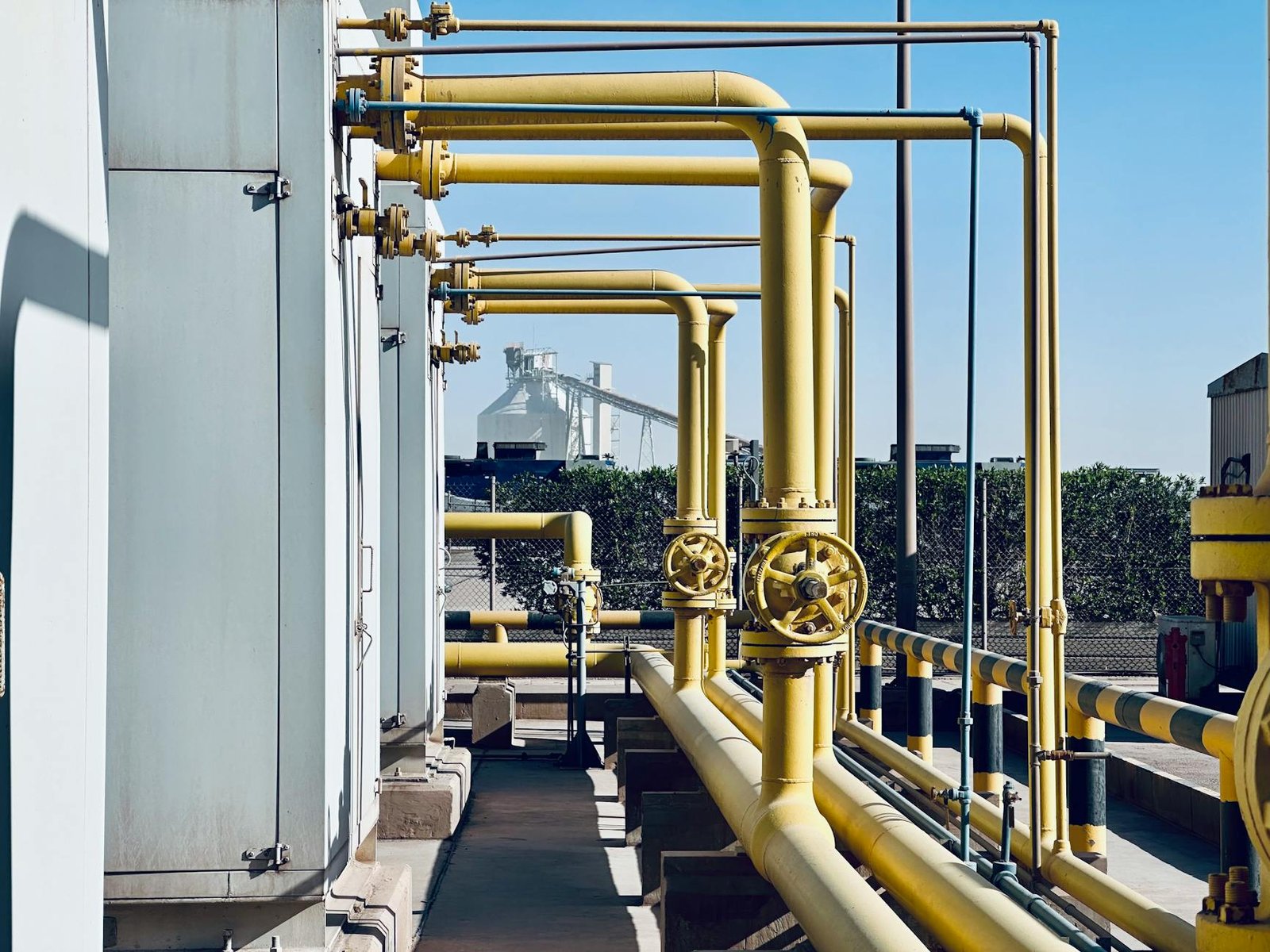
Tensions between Nigerien authorities and Chinese operators escalated over critical issues, including contract financial terms, taxation, local governance of joint ventures, and employment conditions for expatriate executives. The China National Petroleum Corporation (CNPC), a long-standing player in Niger’s oil sector, holds a dominant position in the Agadem oil block and a significant stake in the pipeline linking the country’s southeast to the port of Sèmè in Bénin. This 2,000-kilometer pipeline, operational since 2024, was designed to position Niger as a net exporter of hydrocarbons.
However, political friction between Niamey and Cotonou, stemming from the 2023 coup and subsequent regional sanctions, severely disrupted project execution. Chinese personnel faced expulsions earlier this year, with work permits revoked. Additionally, Niamey accused its partners of delays in disbursing a $400 million advance tied to future oil sales.
A discreet resolution with Niamey claiming victory
Negotiations, conducted behind closed doors, involved envoys dispatched from Beijing and high-ranking officials from Niger’s Ministry of Petroleum. The resulting compromise includes revised fiscal terms, rescheduled mutual financial commitments, and a new framework for the presence of Chinese personnel at production sites. The transitional government frames this outcome as a tangible demonstration of its economic sovereignty doctrine while maintaining ties with a strategic partner of nearly two decades.
The timing of the resolution carries strategic significance. With Niger facing persistent regional instability and the suspension of several Western partnerships, oil revenues represent one of the few short-term macroeconomic stabilization tools available. Authorities anticipate a substantial increase in crude exports via the pipeline, contingent upon restored logistical ties with Bénin and the full resumption of Chinese-operated facilities.
China strengthens its influence in the Sahel
For China, resolving the dispute carries implications beyond Niger’s borders. CNPC and its subsidiaries have invested billions in the country’s oil chain, and a failure would have undermined Beijing’s credibility in other Sahelian markets revising mining and energy partnerships. Conversely, a negotiated agreement without rupture reinforces China’s narrative as a pragmatic partner, unburdened by interference and capable of engaging on equal footing with internationally contested regimes.
A critical challenge remains: the effective commercialization of crude. Until full relations are restored with Cotonou, pipeline throughput to Sèmè will remain below its 90,000-barrels-per-day capacity. Nigerien authorities are exploring alternatives, including a potential connection via Chad, though industrial feasibility remains distant. The resolution with Chinese firms provides temporary relief but does not eliminate all operational constraints on the sector.