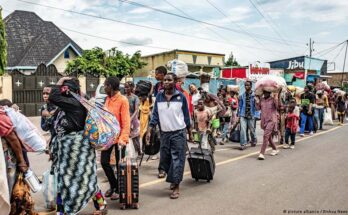
Muslims in Bamako spent this year’s Tabaski celebrations in isolation, trapped by a tightening jihadist blockade around Mali’s capital. For decades, families would reunite during the holiday, but the ongoing security crisis has made travel nearly impossible, forcing many to celebrate far from their villages.
Alpha Amadou, a 40-year-old resident originally from Mopti, has spent the past three decades returning home for the holiday each year. This time, however, he stayed in Bamako—for the first time in his life. « I’ve celebrated Tabaski in my hometown every year for thirty years, » he said. « But this year, the roads are too dangerous. »
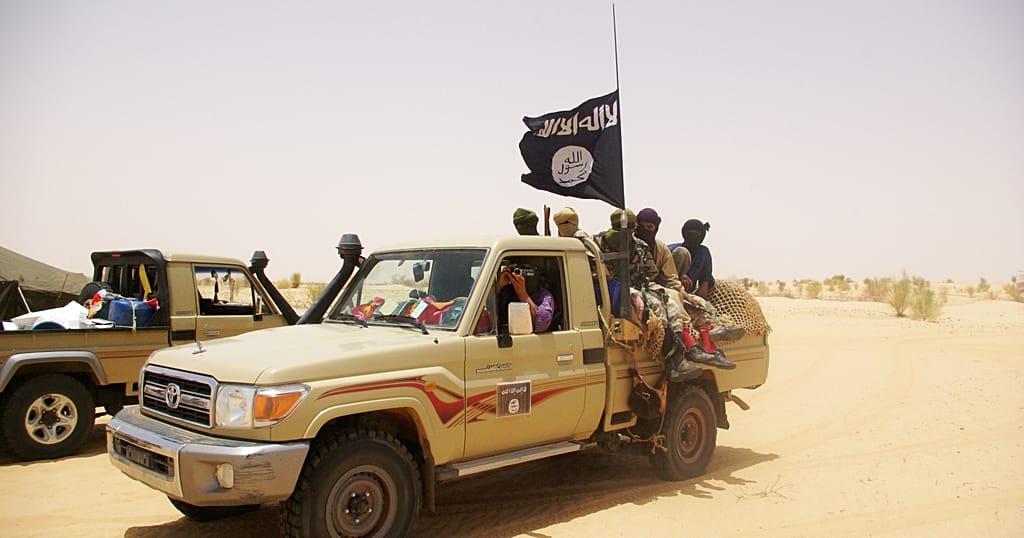
Since late April, armed groups linked to Al-Qaïda’s Sahel branch have enforced roadblocks on key routes into Bamako. The militants have torched buses and cargo trucks, creating a climate of fear that has halted most transportation services. Even military escorts haven’t fully restored confidence, leaving travelers stranded and families separated during one of the most significant social traditions in Mali.
Tabaski, known locally as Eid al-Adha, is more than a religious observance—it’s a cultural cornerstone where families, often separated for months by work demands, reconnect. Yet this year, the usual bustle of bus stations ahead of the holiday has been replaced by an uneasy silence. Beyond security concerns, fuel shortages have crippled the transport sector, adding another layer of difficulty.
« We’re not just short on diesel to keep our vehicles running—we’ve lost entire buses to recent attacks, » shared a local travel agency owner who requested anonymity. « Normally, we’d transport over 50,000 people from Bamako to other regions in a single week for Tabaski. This year, we’re not scheduling any trips at all. »
Wara Bagayoko has always loaded his family into their car and driven to Ségou for the festivities. This time, he won’t make the journey. « Even private cars are being targeted now, » he explained. « It’s my first Tabaski in thirty years not spent in my village. The roads aren’t safe. »
Oumar Diarra echoed the sentiment. « We used to ride together on motorcycles to Sikasso for celebrations, » he recalled. « Now, we’ll stay in Bamako. » A few minibuses still slip through on secondary roads or under military protection, but options are scarce.
Rising costs and dwindling livestock
The blockade has also strangled the livestock trade, critical for Tabaski’s sacrificial tradition. With cattle and sheep unable to reach Bamako—the country’s largest consumer market—the supply has plummeted, driving prices to unprecedented highs.
Transporting an animal, which typically costs between 2,500 and 2,750 CFA francs (about $4.50 to $5), has surged to 15,000–18,000 CFA francs (roughly $26–$31) this year, according to transporter Alassane Maiga.
Hama Ba, a livestock trader in Bamako, described the devastation: « Many trucks carrying sheep were burned by jihadists. Normally, I’d have over 1,000 animals arriving for the holiday. Now, I don’t even have one left. »
The scarcity has sent prices skyrocketing. Sheep that once sold for 75,000 CFA francs now fetch 300,000 CFA francs. « Before, we had plenty to choose from, » lamented Iyi, searching for an affordable animal. « Now, they’re almost impossible to find in Bamako. »
Daily life disrupted by prolonged blackouts
The security crisis has seeped into everyday life in Bamako, exacerbating already strained services. Prolonged power cuts and severe shortages of clean drinking water have compounded the hardship, leaving residents grappling with the dual burdens of economic strain and reduced access to essentials.