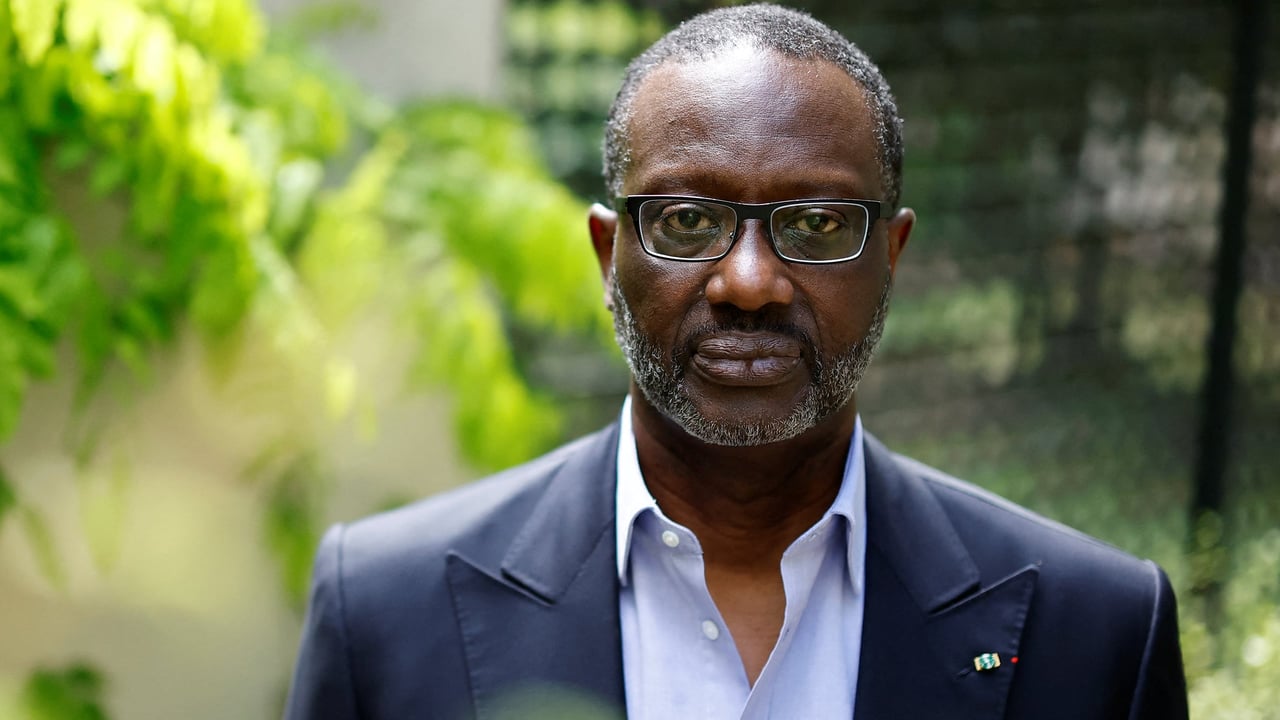
The leadership of Côte d’Ivoire’s historic opposition party, the Parti Démocratique de Côte d’Ivoire (PDCI), finds itself under intense pressure following the escalation of legal proceedings targeting its president, Tidjane Thiam. A cascade of judicial actions has thrust the party into uncharted territory, raising critical questions about its future direction and internal cohesion.
Legal battles take center stage for PDCI
The unfolding legal saga centers on allegations tied to financial irregularities and governance concerns within the PDCI. While specifics remain under judicial examination, the implications are far-reaching, casting a shadow over the party’s reputation and operational integrity. The legal maneuvers, unfolding in Abidjan’s courtrooms, have become a focal point for political observers and party members alike.
Key developments in the judicial process
The proceedings have followed a meticulous yet accelerated trajectory, with multiple hearings scheduled in rapid succession. Legal teams on both sides are engaged in a high-stakes battle, presenting evidence and counterarguments that could redefine the party’s trajectory. Observers note that the timing of these developments coincides with a period of heightened political sensitivity in Côte d’Ivoire.
Among the critical aspects under scrutiny are the financial records of the PDCI, particularly regarding fundraising activities and asset management. Questions have emerged about compliance with national regulations, prompting authorities to intervene with formal inquiries. The case has also drawn attention to the party’s internal governance structures, with calls for greater transparency echoing across political circles.
Impact on PDCI’s political standing
The judicial storm has not only intensified internal debates within the PDCI but has also reverberated across the broader political landscape. Allies and critics alike are recalibrating their strategies, anticipating potential outcomes that could reshape the party’s influence. The situation has underscored the delicate balance between legal accountability and political survival in Côte d’Ivoire’s evolving democracy.
The case against Tidjane Thiam has become a litmus test for the PDCI’s ability to navigate adversity while maintaining its historical legacy. As the legal proceedings advance, the party faces the dual challenge of addressing judicial concerns and restoring public confidence in its leadership.
What’s next for the PDCI?
The coming weeks are expected to bring further clarity as the judicial process unfolds. Party officials have begun mobilizing resources to mount a robust defense, emphasizing their commitment to due process and legal compliance. Meanwhile, grassroots supporters are rallying behind Thiam, viewing the case as an attempt to destabilize the party ahead of upcoming electoral cycles.
The outcome of this legal confrontation will likely have lasting repercussions, not only for Tidjane Thiam and the PDCI but for the entire political ecosystem of Côte d’Ivoire. As the nation watches closely, the party’s ability to weather this storm may well determine its future role in shaping the country’s democratic journey.